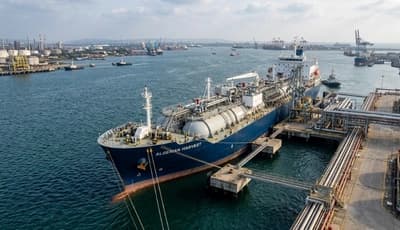
- Diplomatic discussions reduced the immediate supply premium.
- Gulf and Red Sea shipping risks remained unresolved.
- Freight and insurance costs stayed exposed to disruption.
- Buyers gained an opening for staged purchasing.
Crude oil prices fell sharply after the United States paused its military strikes against Iran and discussions between the two countries resumed. The change reduced immediate fears that the conflict would intensify and remove more supply from the global market. Traders reversed part of the price increase built during nearly two weeks of fighting and attacks affecting oil transport infrastructure.
The pause does not remove the physical risks facing buyers. Oil and gas flows through the Strait of Hormuz remain disrupted, and vessels using routes near the Red Sea face added security threats. Tanker availability, war-risk insurance, voyage duration and port access can raise delivered costs even when the crude benchmark falls. A diplomatic pause can reduce the market premium faster than it restores shipping capacity.
Fuel and feedstock buyers should avoid treating the price decline as proof that supply conditions have returned to normal. Refiners and chemical plants still depend on crude grades arriving on schedule. A delayed vessel can force a refinery to alter its crude slate, cut operating rates or purchase replacement cargoes at short notice. Those costs are rarely captured by the benchmark price alone.
Request the Latest Crude Oil Prices Data - Access Price Insights Now
The decline provides an opening for buyers with limited short-term coverage. Purchasing can be divided into smaller tranches rather than concentrated in one transaction. This approach protects part of the budget if diplomacy continues and retains access to supply if the conflict resumes. Fuel contracts should also be checked for the timing of benchmark resets, freight adjustments and emergency surcharges.
Manufacturers purchasing petrochemicals, plastics, solvents, coatings and packaging materials should review how suppliers pass crude and energy costs into product prices. Selling prices often decline more slowly than crude because producers carry higher-cost inventory, freight and utility expenses. Buyers should request a clear breakdown of the reference price, conversion cost and reset period used in supplier formulas.
Transport and logistics teams should maintain route alternatives for cargoes exposed to the Gulf and Red Sea. Insurance validity, vessel nomination terms and responsibility for delay costs need written confirmation. Lower crude prices reduce budget pressure, but the unresolved shipping risk keeps landed-cost planning vulnerable to another fast reversal. Crude prices fell after military strikes were paused.