

Prakhar Panchbhaiya
Assistant Manager: Business Insights and Content
Supporting procurement teams with category intelligence, market research, price trends, supply-demand analysis, and strategic sourcing insights across key industries.

Bangalol markets remained stable to slightly firm during Q2’26, supported mainly by higher production costs rather than exceptionally strong demand. In Asia, cosmetics consumption remained positive, supporting fragrance-compound procurement, although growth moderated as the quarter progressed and buyers remained selective. European conditions were comparatively supportive because perfumery continued to provide a strong consumption base for woody and sandalwood-type ingredients. Higher industrial manufacturing costs also encouraged fragrance suppliers to defend offers, while ongoing regulatory scrutiny of fragrance ingredients increased the importance of compliant formulations and documentation. North American conditions were more restrained. U.S. finished cosmetics producer prices remained broadly flat to slightly softer during April-May, limiting manufacturers’ willingness to absorb significant increases in fragrance-input costs. Weaker U.S.-bound European beauty trade also encouraged cautious purchasing among suppliers serving luxury and personal-care markets. Overall, cost inflation supported Bangalol values, while uneven downstream growth prevented a sharper increase.
Analyst Insight
According to Procurement Resource, Bangalol conditions are expected to remain stable to slightly firm as elevated chemical-input costs balance cautious fragrance and personal care procurement.
Need Latest Bangalol Prices?
Get real-time price assessments, periodic trends, forecasts and price driver insights across key global markets.
Our Clients































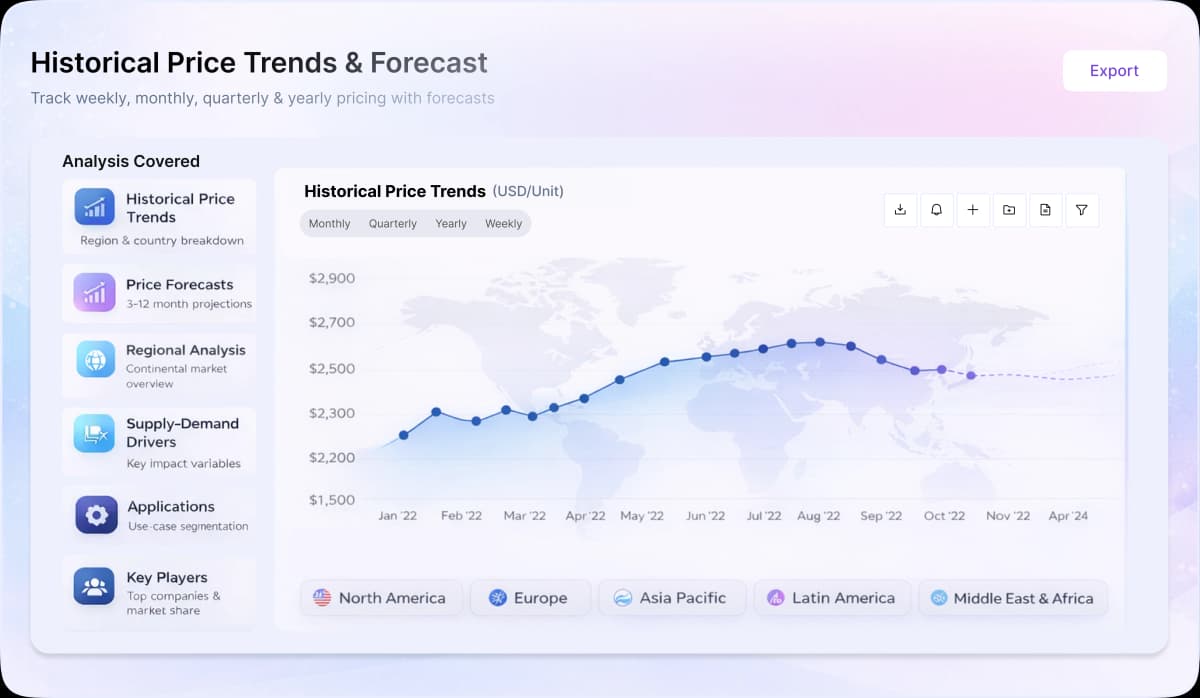
Turn price intelligence into action with the Procurement Resource Database. Log in or subscribe to unlock live price trends, historical charts, supplier databases, cost curves, and analyst-backed insights across chemicals, agriculture, energy, packaging, and more. Use these tools to benchmark your contracts, plan budgets with confidence, and stay ahead of market moves on every product you buy.
0
+Products
0
+Regions
0
+Subscriptions
During Q1’26, Bangalol production showed a stable to slightly upward trend as the product remained tied to specialty fragrance formulations and limited-volume contract supply. Bangalol, commonly linked with Bacdanol-type sandalwood aroma chemistry, is used as a fragrance ingredient in consumer products and perfumery applications. Demand was affected by a weaker downstream fragrance trade, as French perfumes and cosmetics exports declined by 0.1% to EUR 22.4 billion in 2025, with the U.S. market showing notable weakness. U.S.-bound French cosmetic exports fell 18.5%, while perfume exports dropped 16%, reducing aggressive procurement of aroma chemicals by some fragrance houses. Supply remained specialized, with producers focusing on formulation-grade quality rather than large spot volumes.
Bangalol is a synthetic fragrance compound with a woody, sandalwood-like aroma. It is also known as Bacdanol and is used as an aroma ingredient in perfumery formulations. The compound provides long-lasting woody, creamy, and smooth notes, making it suitable for creating sandalwood accords in fine fragrances and personal care products.
C14H24O
Bangalol, Bacdanol, Sandenol 208, Sandalwood Alcohol
International Flavors & Fragrances Inc. (IFF), Givaudan SA, Symrise AG, Firmenich International SA, Takasago International Corporation ,BASF SE
CurrencyUS$ (Data can also be provided in local currency)
Supplier Database AvailabilityYes
Customization ScopeThe report can be customized as per the requirements of the customer
Post-Sale Analyst Support360-degree analyst support after report delivery
Note: Our supplier search experts can assist your procurement teams in compiling and validating a list of suppliers indicating they have products, services, and capabilities that meet your company's needs.
Bangalol is produced: through synthetic organic chemical processes involving terpene-based intermediates. The manufacturing process includes controlled chemical reactions, purification, and quality testing to achieve fragrance-grade purity. The final product is supplied as an aroma ingredient with controlled odour characteristics for use in perfume formulations.
Bangalol is mainly used in fragrance manufacturing for perfumes, cosmetics, soaps, detergents, and personal care products. It acts as a woody base note ingredient and is blended with other aroma chemicals to enhance fragrance depth, diffusion, and lasting performance. It is also used in household fragrance products and air care formulations.
Our Price Analysis Methodology
Assistant Manager: Business Insights and Content
Supporting procurement teams with category intelligence, market research, price trends, supply-demand analysis, and strategic sourcing insights across key industries.
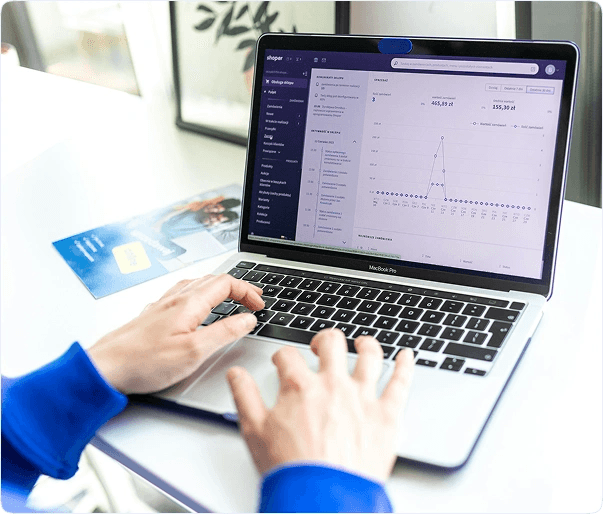
Experience how Procurement Resource transforms raw material price data into clear, decision ready intelligence. Optimise your performance with reliable, expert market data and analysis. Schedule your demo today to experience a live walk-through where our experts will showcase interactive price charts, forecasted prices, and insights driving the prices for your key commodities, tailored to your workflows. Contact us now!
Our Team will be happy to assist you
We are just a text away
Still Need Help?
Unlock full access to Procurement Resource's price databases, interactive charts, and short-term forecasts for thousands of commodities. Elevate your sourcing decisions by comparing prices across regions, downloading historical data, and layering in analyst-backed insights, all with our flexible plans that scale as your portfolio grows.
Still have any Questions
Contact Us



Price Trend Dashboard - What's Included
Price trends across a diverse portfolio of categories and products, spanning board to niche chemicals
Coverage extendable to grade-specific chemicals based on procurement requirements
Regular price tracking supported by robust historical datasets
News, policy updates, and key market drivers impacting price movements
Short-term and long-term price outlooks and forecasts
Supply–demand dynamics and capacity-driven market analysis

Track prices, market movements, supply-demand dynamics, and industry developments across hundreds of commodities through a centralized intelligence platform built for informed procurement decisions.

Understand market fluctuations using analyst-backed forecasts, historical pricing patterns, and evolving industry trends to strengthen sourcing strategies and budget planning.

Leverage cost models, pricing benchmarks, and procurement insights to evaluate purchasing opportunities, improve negotiations, and enhance operational efficiency.
Access region-specific price trends, trade activities, capacity changes, and supply chain developments influencing commodity markets worldwide.