Barium Iodide Price Trend Analysis 2026: Latest News, Supply Demand Analysis, Market Insights, Price Drivers & Historical Prices

Pragati Agarwal profile photo
Written ByPragati Agarwal

Procurement Resource Database

Laptop screen

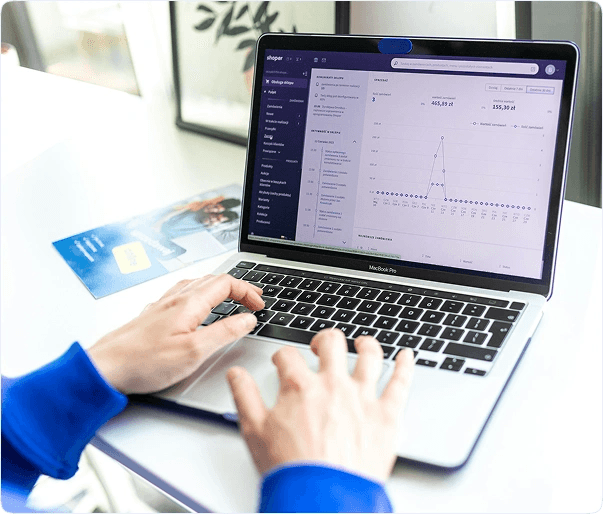
Turn price intelligence into action with the Procurement Resource Database. Log in or subscribe to unlock live price trends, historical charts, supplier databases, cost curves, and analyst-backed insights across chemicals, agriculture, energy, packaging, and more. Use these tools to benchmark your contracts, plan budgets with confidence, and stay ahead of market moves on every product you buy.

0

+

Products

0

+

Regions

0

+

Subscriptions

In Q4'25, barium iodide prices recorded a firm and stable trend, mainly driven by steady demand from pharmaceutical, laboratory, and chemical industry segments. The steady and consistent pattern of consumption continued during the entire period, particularly from sectors related to health and wellness, wherein these compounds are vital for production processes. The increasing prices of the raw materials, i.e., iodine, significantly affected the barium iodide market, wherein the prices remained firm and steady despite the lack of a downward trend, mainly because of the increasing raw material costs, which had a major influence on production costs.

The supply side recorded a steady pattern, wherein the exporting countries, particularly those in Asia, continued with consistent production and delivery levels. The transportation and logistical conditions also showed a positive trend, wherein disruptions reduced, and a steady supply was being maintained in the international market. The purchasing pattern remained steady, wherein buyers showed a cautious attitude and avoided aggressive buying, which helped maintain a steady price trend.

In Western markets, reliance on imported iodine derivatives kept market participants attentive to global raw material trends. While minor fluctuations were observed due to feedstock variations, overall pricing remained within a controlled range. The market sentiment during the quarter was steady, supported by stable downstream demand and manageable supply conditions.

About Barium Iodide

Barium iodide (BaI2) is an inorganic chemical compound composed of barium and iodine. It is a white crystalline substance that is commonly used as a scintillation material in radiation detection devices. Barium iodide is valued for its ability to convert incoming radiation into visible light, making it a crucial component in gamma-ray spectrometers and nuclear radiation detectors, as well as in other specialized applications in the field of radiation measurement.

Barium Iodide Product Detail

Chemical Formula

BaI2

CAS Number
13718508
Molecular Weight
301.14 g/mol
Industrial Uses

Radiology and Medical Imaging, Nuclear Power Generation, Environmental Radiation Monitoring, Nuclear Medicine, Space Exploration and Astrophysics, Industrial Radiography

Synonyms

Barium diiodide

Supplier Database

Shandong Ench Chemical Co. Ltd, Krada CPS Industry S.L, CG Chem. GmbH & Co. KG, Gihi Chemicals Co., Limited, Xiamen Equation Chemical Co. Ltd

Regional Coverage

Asia Pacific

China, India, Indonesia, Pakistan, Bangladesh, Japan, Philippines, Vietnam, Iran, Thailand, South Korea, Iraq, Saudi Arabia, Malaysia, Nepal, Taiwan, Sri Lanka, UAE, Israel, Hongkong, Singapore, Oman, Kuwait, Qatar, Australia, and New Zealand

Europe

Germany, France, United Kingdom, Italy,Spain, Russia, Turkey, Netherlands, Poland, Sweden, Belgium, Austria, Ireland Switzerland, Norway, Denmark, Romania, Finland, Czech Republic, Portugal and Greece

North America

United States and Canada

Latin America

Brazil, Mexico, Argentina, Columbia, Chile, Ecuador, and Peru

Africa

South Africa, Nigeria, Egypt, Algeria, Morocco

CurrencyUS$ (Data can also be provided in local currency)

Supplier Database AvailabilityYes

Customization ScopeThe report can be customized as per the requirements of the customer

Post-Sale Analyst Support360-degree analyst support after report delivery

Note: Our supplier search experts can assist your procurement teams in compiling and validating a list of suppliers indicating they have products, services, and capabilities that meet your company's needs.

Barium Iodide Production Process

The resultant mixture is crystallised at around 593°C to obtain dehydrated Barium Iodide as the final product.

The aqueous solution thus obtained is further subjected to heating to obtain dehydrated barium iodide as the end-product.

Frequently Asked Questions

The barium iodide outlook for 2026 points to firm, range-bound prices. Elevated iodine feedstock costs and steady pharmaceutical and radiological demand underpin a solid price floor, while balanced Asian supply and consistent export flows keep volatility in check. European buyers face a modest freight-related premium, and North American demand holds firm on healthcare and radiological consumption. A meaningful price rise requires tighter Asian supply or a further spike in iodine costs; easing feedstock prices or softening downstream demand introduces downside risk.
Barium iodide prices are shaped primarily by the strength of the iodine feedstock complex, since elevated iodine costs directly raise production expenses and establish a firm price floor. Asian producers' output levels and export flow consistency determine how balanced or tight supply runs, which in turn affects volatility. European buyers typically face a premium tied to freight costs and structural import dependence on iodine derivatives. Steady healthcare and radiological demand in North America provide underlying support, while cautious, inventory-led purchasing across regions tends to limit sharp price swings.
Asian producers dominate globally traded barium iodide supply, with China as the primary production and export hub. Key companies include Shandong Ench Chemical Co. Ltd and Xiamen Equation Chemical Co. Ltd (China), Krada CPS Industry S.L (Spain), CG Chem. GmbH & Co. KG (Germany), and Gihi Chemicals Co., Limited. Europe and North America rely substantially on imports, with European buyers paying a modest freight and import-dependence premium. This geographic concentration in Asia, especially China, is the dominant supply-security consideration for procurement managers.
Barium iodide is produced via two primary routes. First, barium carbonate is neutralized with hydrogen iodide in water, then dehydrated to yield anhydrous BaI2. Second, barium hydride reacts with ammonium iodide in pyridine, crystallized at around 593°C to produce the dehydrated product. Downstream, ultra-high-purity anhydrous BaI2 (≥99.999%) feeds scintillation crystal growth for gamma-ray detectors and nuclear radiation monitors. Reagent-grade BaI2 serves as an iodide-ion source in pharmaceutical and pesticide synthesis, while technical-grade material is used in drilling fluid additives and as a precursor to barium dioxide.
Healthcare and radiology, nuclear power generation, environmental radiation monitoring, nuclear medicine, and industrial radiography are the primary demand drivers for barium iodide. Pharmaceutical and agrochemical manufacturers also contribute meaningfully through use of iodine derivatives in drug and pesticide synthesis. Activity across these sectors translates directly into procurement volume, with elevated iodine feedstock costs and steady radiological consumption keeping prices firm and well-supported across regions.

Procurement Resource assesses barium iodide prices through a structured, data-driven methodology combining primary engagement with producers, suppliers and traders, secondary market data, monitoring of feedstock and input costs, trade-flow and inventory tracking, and exchange or spot benchmarks. Each assessment is validated and translated into a transparent price outlook. The detailed methodology is available on the Procurement Resource website.

Our Price Analysis Methodology

About the Author

Pragati Agarwal profile photo

Pragati Agarwal

Senior Business Insights Analyst

Delivering price trend analysis and procurement market insights at Procurement Resource, with expertise in identifying commodity patterns, supporting purchasing strategies, and improving cost efficiency through actionable market intelligence.

Schedule Demo

Schedule A Demo

Experience how Procurement Resource transforms raw material price data into clear, decision ready intelligence. Optimise your performance with reliable, expert market data and analysis. Schedule your demo today to experience a live walk-through where our experts will showcase interactive price charts, forecasted prices, and insights driving the prices for your key commodities, tailored to your workflows. Contact us now!

Our Team will be happy to assist you

We are just a text away

+1

Still Need Help?

Europe & Africa

+44 7573 171117

[email protected]

USA & Canada

+1 307 363 1045

[email protected]

APAC

+91 8850629517

[email protected]

Unlock full access to Procurement Resource's price databases, interactive charts, and short-term forecasts for thousands of commodities. Elevate your sourcing decisions by comparing prices across regions, downloading historical data, and layering in analyst-backed insights, all with our flexible plans that scale as your portfolio grows.

Still have any Questions

Contact Us
Mastercard
Wire
VISA
Stripe

Why Procurement Database

Commodity Market Intelligence

Commodity Market Intelligence

Track prices, market movements, supply-demand dynamics, and industry developments across hundreds of commodities through a centralized intelligence platform built for informed procurement decisions.
Price Forecasts & Market Outlooks

Price Forecasts & Market Outlooks

Understand market fluctuations using analyst-backed forecasts, historical pricing patterns, and evolving industry trends to strengthen sourcing strategies and budget planning.

Cost & Procurement Optimization

Cost & Procurement Optimization

Leverage cost models, pricing benchmarks, and procurement insights to evaluate purchasing opportunities, improve negotiations, and enhance operational efficiency.

Global & Regional Market Insights

Global & Regional Market Insights

Access region-specific price trends, trade activities, capacity changes, and supply chain developments influencing commodity markets worldwide.

1/4