Benzene Hexachloride (BHC) Price Trend Analysis 2026: Latest News, Price Drivers, Market Insights, Historical Prices & Supply Demand Analysis

Shriya Singh profile photo
Written ByShriya Singh

Procurement Resource Database

Laptop screen

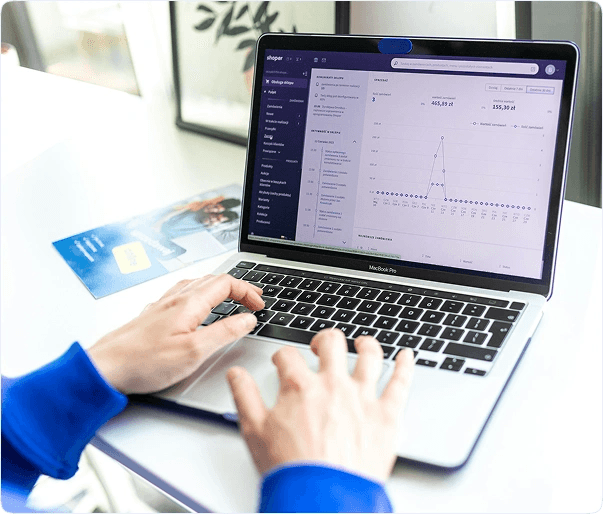
Turn price intelligence into action with the Procurement Resource Database. Log in or subscribe to unlock live price trends, historical charts, supplier databases, cost curves, and analyst-backed insights across chemicals, agriculture, energy, packaging, and more. Use these tools to benchmark your contracts, plan budgets with confidence, and stay ahead of market moves on every product you buy.

0

+

Products

0

+

Regions

0

+

Subscriptions

In the first quarter of 2024, benzene hexachloride (BHC) prices experienced varying trends across different regions due to multiple factors. In China, the BHC market witnessed a steady increase, fueled by heightened demand post-Lunar New Year and rising crude oil prices amidst limited supply.

This contrasted with the Indian market, which displayed fluctuations; prices initially dropped, then recovered and stabilized by the quarter's end. Europe saw an unstable BHC price trend due to limited trading activities and indefinite shutdowns of manufacturing plants, further impacted by fluctuations in crude oil prices and concerns about overseas imports.

In North America, BHC prices rose sharply due to constrained supply chains. Benzene hexachloride (BHC), particularly in its gamma-isomer form known as lindane, is a crucial compound for pesticide and pharma industries. Thereby, the downstream consumption pushed the prices up, which was further exacerbated by maintenance shutdowns at key petrochemical plants due to adverse weather, aligning with a global increase in petrochemical production and inventory restocking activities around the New Year holidays.

The price movements in all regions were also influenced by the prices of benzene, the primary feedstock for BHC. A bullish trend in the benzene markets also stimulated the price growth for BHC by raising its upstream costs.


About Benzene Hexachloride

Benzene hexachloride, also known as hexachlorocyclohexane (HCH), comprises several isomers, among which gamma-HCH (lindane) is the most notable due to its pesticidal properties. It is a synthetic chemical used primarily as an insecticide in agriculture to control pests on crops and in public health to eradicate lice and scabies. Despite its effectiveness, concerns over environmental persistence, toxicity, and potential health risks have led to restrictions and bans in many countries, steering usage towards more regulated applications in public health and veterinary contexts.

Benzene Hexachloride (BHC) Product Detail

Chemical Formula

C6Cl6

CAS Number
118-74-1
Molecular Weight
284.80 g/mol
Industrial Uses

Agriculture, Pharmaceuticals, Public Health (for controlling vector diseases like malaria), Veterinary Industry (as a pesticide in animal treatments), Wood Preservation, Textiles

Supplier Database

Lanxess AG, Nippon Light Metal Holdings Company Ltd., Shanghai Xinglu Chemical Technology Co. Ltd, Valtris Specialty Chemicals, Hubei Phoenix Chemical Company Limited, Benzo Chem Industries Pvt Ltd.

Regional Coverage

Asia Pacific

China, India, Indonesia, Pakistan, Bangladesh, Japan, Philippines, Vietnam, Iran, Thailand, South Korea, Iraq, Saudi Arabia, Malaysia, Nepal, Taiwan, Sri Lanka, UAE, Israel, Hongkong, Singapore, Oman, Kuwait, Qatar, Australia, and New Zealand

Europe

Germany, France, United Kingdom, Italy,Spain, Russia, Turkey, Netherlands, Poland, Sweden, Belgium, Austria, Ireland Switzerland, Norway, Denmark, Romania, Finland, Czech Republic, Portugal and Greece

North America

United States and Canada

Latin America

Brazil, Mexico, Argentina, Columbia, Chile, Ecuador, and Peru

Africa

South Africa, Nigeria, Egypt, Algeria, Morocco

CurrencyUS$ (Data can also be provided in local currency)

Supplier Database AvailabilityYes

Customization ScopeThe report can be customized as per the requirements of the customer

Post-Sale Analyst Support360-degree analyst support after report delivery

Note: Our supplier search experts can assist your procurement teams in compiling and validating a list of suppliers indicating they have products, services, and capabilities that meet your company's needs.

Frequently Asked Questions

The BHC outlook for 2026 points to prices remaining sensitive to benzene and crude oil movements, with regional divergence likely to persist. A narrow, increasingly regulated producer base will keep supply finely balanced against subdued but resilient demand from agriculture and public-health vector control programmes. Upside would be limited by regulatory headwinds, while any sharp feedstock cost escalation or supply disruption could push offers higher. Asian supply from China and India is expected to anchor global pricing, with Europe continuing to trade at a premium.
Benzene hexachloride prices are driven primarily by benzene feedstock costs, since tightening in the aromatics complex passes upward cost pressure through to BHC offers. A narrow, increasingly regulated producer base keeps supply measured, limiting the risk of oversupply-driven softening. Asian material from China and India typically sets the global reference competitively, while European prices tend to carry a premium amid thinner trading, and North American values track import-led availability. Agricultural and public-health offtake provide a dependable demand floor, though regulatory caution generally caps upside.
Production is concentrated among a narrow base of regulated suppliers. Asian material, led by Chinese and Indian producers, sets the global price reference, while European output commands a premium due to thinner trading and manufacturing constraints. North America relies on imports for steady availability. Key companies include Lanxess AG, Nippon Light Metal Holdings Company Ltd., Shanghai Xinglu Chemical Technology Co. Ltd, Valtris Specialty Chemicals, Hubei Phoenix Chemical Company Limited, and Benzo Chem Industries Pvt Ltd.
BHC is produced by chlorinating benzene with chlorine under UV light and heat, yielding the final organochlorine compound. It then moves into downstream sectors including agriculture as an insecticide, pharmaceuticals in medicated shampoos and lotions for lice and scabies treatment, public health vector control, veterinary applications, wood preservation, and textiles. Procurement is shaped by benzene and chlorine costs, distribution logistics, and quality standards.
Agriculture is the dominant demand driver, with BHC used as an insecticide to protect crops from insect damage, providing the broadest volume base. Public health programmes targeting vector-borne diseases such as malaria form a steady institutional demand floor, while the pharmaceutical sector draws on BHC for medicated shampoos, lotions, and treatments for lice and scabies. Veterinary pest control, wood preservation, and textiles add incremental demand. Together, these end-uses keep a resilient floor under prices, even as a narrow, regulated producer base and regional supply constraints prevent any pronounced upside.
Procurement Resource assesses benzene hexachloride prices through a structured, data-driven methodology combining primary engagement with producers, suppliers and traders, secondary market data, and continuous monitoring of feedstock and input costs. Trade-flow and inventory tracking alongside exchange and spot benchmarks are validated into a transparent price assessment and outlook. The detailed methodology is available on the Procurement Resource website.
Our Price Analysis Methodology

About the Author

Shriya Singh profile photo

Shriya Singh

Business Insights Analyst

Helping procurement and sourcing teams navigate complex markets through data-driven research, category intelligence, and actionable insights - with a focus on identifying market trends, analyzing supply-side developments, and delivering clear intelligence that supports informed business decisions.

Schedule Demo

Schedule A Demo

Experience how Procurement Resource transforms raw material price data into clear, decision ready intelligence. Optimise your performance with reliable, expert market data and analysis. Schedule your demo today to experience a live walk-through where our experts will showcase interactive price charts, forecasted prices, and insights driving the prices for your key commodities, tailored to your workflows. Contact us now!

Our Team will be happy to assist you

We are just a text away

+1

Still Need Help?

Europe & Africa

+44 7573 171117

Sales@procurementresource.com

USA & Canada

+1 307 363 1045

Sales@procurementresource.com

APAC

+91 8850629517

Sales@procurementresource.com

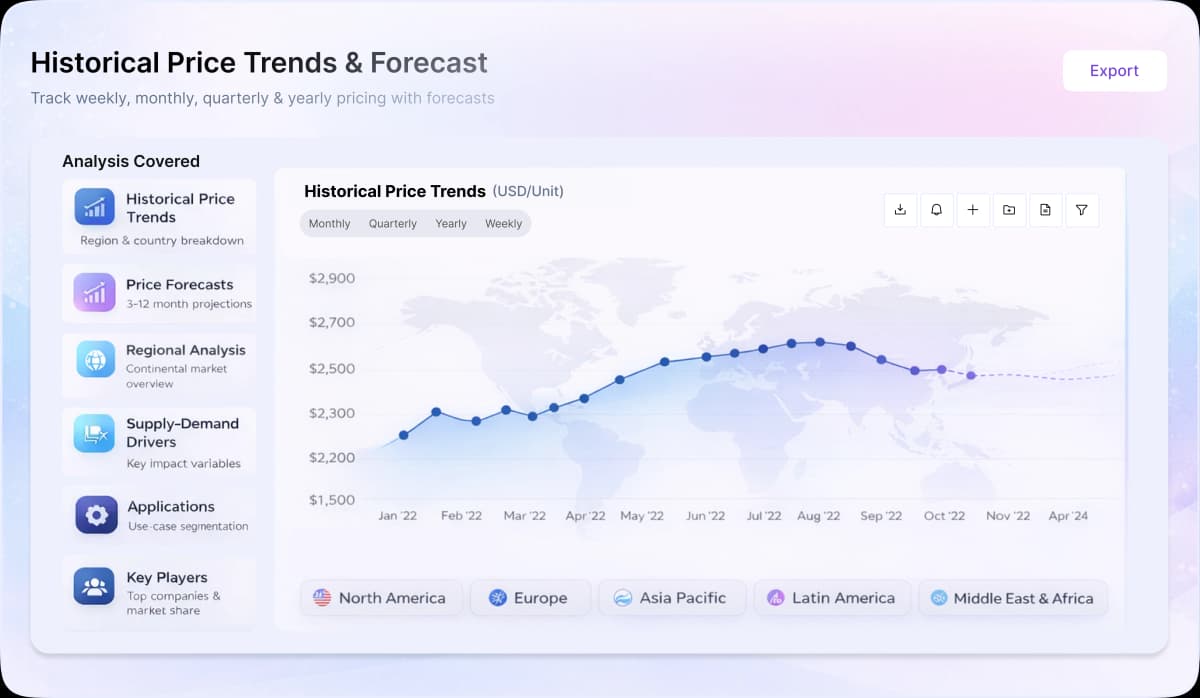
Unlock full access to Procurement Resource's price databases, interactive charts, and short-term forecasts for thousands of commodities. Elevate your sourcing decisions by comparing prices across regions, downloading historical data, and layering in analyst-backed insights, all with our flexible plans that scale as your portfolio grows.

Still have any Questions

Contact Us
Mastercard
Wire
VISA
Stripe

Why Procurement Database

Commodity Market Intelligence

Commodity Market Intelligence

Track prices, market movements, supply-demand dynamics, and industry developments across hundreds of commodities through a centralized intelligence platform built for informed procurement decisions.

Price Forecasts & Market Outlooks

Price Forecasts & Market Outlooks

Understand market fluctuations using analyst-backed forecasts, historical pricing patterns, and evolving industry trends to strengthen sourcing strategies and budget planning.

Cost & Procurement Optimization

Cost & Procurement Optimization

Leverage cost models, pricing benchmarks, and procurement insights to evaluate purchasing opportunities, improve negotiations, and enhance operational efficiency.

Global & Regional Market Insights

Global & Regional Market Insights

Access region-specific price trends, trade activities, capacity changes, and supply chain developments influencing commodity markets worldwide.

1/4