Corn trading lower at midday with spillover pressure from the wheat market. Weather forecast shows dry conditions in key areas, potentially tightening supply and affecting price direction downward in the short term.
Bio-Based Polyethylene Price Trend Analysis 2026: Market Insights, Latest News, Price Drivers, Historical Prices & Supply Demand Analysis

Written ByPragati Agarwal
Bio-Based Polyethylene Price Trend Q1 2026
- Bio-based polyethylene prices moved upward in Q1’26 as the surge in conventional polyethylene costs raised substitution pressure and supported firmer bio-based resin sentiment.
- Feedstock pressure increased after the Iran war and Strait of Hormuz disruption affected polymer and olefin supply chains, with the Middle East holding around 15% of global polyethylene capacity.
- Downstream demand was mixed, as packaging fundamentals remained weak in several markets, while e-commerce, retail packaging, and sustainability-linked procurement supported bio-based resin usage.
Bio-based polyethylene prices strengthened during Q1’26, primarily due to higher conventional polyethylene replacement values, elevated logistics costs, and steady demand for renewable polymers. Global polyethylene markets came under pressure after Middle Eastern supply disruptions tightened polymer availability and lifted conventional PE prices across Asia, Europe, and the Americas. In Asia, concerns over delayed Middle Eastern shipments supported firmer polymer sentiment, while India experienced pricing pressure due to its reliance on imported resin and feedstock flows. In Europe, higher naphtha- and ethylene-linked costs, together with elevated energy and freight expenses, supported overall polymer pricing. Although bio-based polyethylene production relies on bioethanol-derived ethylene rather than fossil feedstocks, rising conventional PE prices increased replacement costs and supported premium renewable grades. Downstream packaging demand remained mixed, but sustainability commitments and renewable-content targets continued to support steady procurement of bio-based polyethylene despite its price premium over conventional alternatives.
Analyst Insight
According to Procurement Resource, Bio based polyethylene prices may remain firm in the near term if Middle East supply risks and freight pressure continue. Softer packaging demand could limit further gains.
Need latest Bio-Based Polyethylene price?
Get real-time price assessments, periodic trends, forecasts and price driver insights across key global markets.
Unlock Price Insights NowLatest Developments
Corn prices showing losses after recent strength, with spillover from sharp wheat market declines weighing on the market. Export sales data and weather forecast for limited precipitation are influencing price direction.
Weather in U.S. Corn Belt favoring bulls with dry and hot conditions persisting in western regions. Domestic and export demand for corn remains robust, with global supply chain constraints also supporting upward price movement.
Corn futures maintained gains with limited precipitation expected across much of the Corn Belt. Export sales data supportive of demand, but dry weather remains a key driver for potential supply constraints and price firmness.
Our Clients































Procurement Resource Database

Turn price intelligence into action with the Procurement Resource Database. Log in or subscribe to unlock live price trends, historical charts, supplier databases, cost curves, and analyst-backed insights across chemicals, agriculture, energy, packaging, and more. Use these tools to benchmark your contracts, plan budgets with confidence, and stay ahead of market moves on every product you buy.
Bio-Based Polyethylene Dashboard Inclusions

0
+Products
0
+Regions
0
+Subscriptions
About Bio-Based Polyethylene
Bio-Based Polyethylene (Bio-PE) is a polyethylene resin produced from renewable biomass feedstocks, primarily sugarcane-derived ethanol, instead of fossil-based raw materials. Although its origin differs from conventional polyethylene, the resulting polymer possesses identical chemical structure and performance characteristics. Bio-PE offers recyclability, durability, and versatility while reducing dependence on petroleum resources and lowering greenhouse gas emissions across the product lifecycle, making it an attractive sustainable packaging material.
Bio-Based Polyethylene Product Detail
Hs Code
3901
Chemical Formula
(C2H4)n
Cas Number
9002-88-4
Molecular Weight
28.05 g/mol
Supplier Database
Braskem, Dow, LyondellBasell, SABIC, Borealis, INEOS, ExxonMobil Chemical, TotalEnergies Petrochemicals
Synonyms
Bio-PE, Renewable Polyethylene, Green Polyethylene, Plant-Based Polyethylene
Regional Coverage
Asia Pacific
China, India, Indonesia, Pakistan, Bangladesh, Japan, Philippines, Vietnam, Iran, Thailand, South Korea, Iraq, Saudi Arabia, Malaysia, Nepal, Taiwan, Sri Lanka, UAE, Israel, Hongkong, Singapore, Oman, Kuwait, Qatar, Australia, and New Zealand
Europe
Germany, France, United Kingdom, Italy, Spain, Russia, Turkey, Netherlands, Poland, Sweden, Belgium, Austria, Ireland Switzerland, Norway, Denmark, Romania, Finland, Czech Republic, Portugal and Greece
North America
United States and Canada
Latin America
Brazil, Mexico, Argentina, Columbia, Chile, Ecuador, and Peru
Africa
South Africa, Nigeria, Egypt, Algeria, Morocco
CurrencyUS$ (Data can also be provided in local currency)
Supplier Database AvailabilityYes
Customization ScopeThe report can be customized as per the requirements of the customer
Post-Sale Analyst Support360-degree analyst support after report delivery
Note: Our supplier search experts can assist your procurement teams in compiling and validating a list of suppliers indicating they have products, services, and capabilities that meet your company's needs.
Production Process
Bio-Based Polyethylene is produced by fermenting sugar-rich biomass, such as sugarcane, to generate bioethanol. The bioethanol undergoes catalytic dehydration to produce bioethylene, which is subsequently polymerized under controlled conditions to form polyethylene resin. The resulting polymer is chemically identical to petroleum-based polyethylene and can be processed into various grades, including high-density polyethylene (HDPE), low-density polyethylene (LDPE), and linear low-density polyethylene (LLDPE).
Bio-Based Polyethylene Industrial Uses
Bio-Based Polyethylene is widely used in packaging films, bottles, containers, caps, closures, household products, industrial packaging, personal care packaging, agricultural films, and consumer goods. Due to its identical properties to conventional polyethylene, it can be processed using existing manufacturing infrastructure. The material is increasingly adopted by packaging, food and beverage, cosmetics, healthcare, and consumer product industries seeking to reduce carbon footprints and improve sustainability performance.
Frequently Asked Questions
During Q1 2026, bio-based polyethylene pricing remained broadly firm. Although ethanol feedstock costs softened in parts of Brazil and Asia, bio-PE producers continued to face elevated logistics costs and stronger conventional polyethylene benchmarks following crude oil volatility and Middle East supply disruptions. Demand from consumer packaging and brand-led sustainability programs remained stable, allowing suppliers to maintain premiums over fossil-based polyethylene despite cautious procurement activity.
The outlook for bio-based polyethylene in 2026 remains positive, supported by sustainable packaging demand, brand decarbonization goals, and wider use of renewable carbon materials. Growth is expected to remain strongest in packaging, films, food containers, and consumer goods. Adoption may stay gradual because bio-based polyethylene still carries a cost premium and depends heavily on reliable sugarcane or bioethanol supply.
Feedstock supply and costs were the main factor affecting bio-based polyethylene prices in Q1 2026. Bio-based polyethylene is produced through bioethanol-derived ethylene, so ethanol availability and pricing directly influence production costs. At the same time, crude-linked petrochemical disruptions, especially polyethylene supply pressure from the Middle East, lifted benchmark resin sentiment and supported firmer pricing across renewable polyethylene grades.
Global bio based polyethylene is led by a mix of dedicated producers and large diversified chemical firms. Braskem S.A. of Brazil remains the undisputed leader with its I’m green™ bio PE produced from sugarcane ethanol. Other major players offering bio based or certified renewable PE include SABIC (TRUCIRCLE portfolio), LyondellBasell Industries, The Dow Chemical Company, TotalEnergies SE, BASF SE, Mitsui Chemicals, and FKuR Kunststoff GmbH.
In early 2026, Braskem Siam and SCG Chemicals progressed engineering and investment planning for Asia’s first dedicated bio ethylene production plant in Rayong, Thailand, expected to support up to 200,000 tonnes per year of bio ethylene feedstock, which will be used to produce bio based polyethylene. This facility aims to nearly double global bio PE capacity and strengthen supply chains for sustainable plastics.
Bio-based polyethylene offers performance similar to petroleum-derived polyethylene because it has the same polymer structure and can be processed on existing equipment. It can also be mechanically and chemically recycled like conventional polyethylene. A key advantage is its lower carbon footprint, as sugarcane-based bio-polyethylene can reduce greenhouse gas emissions compared to conventional fossil-based polyethylene. This reduction can support corporate emissions-reduction targets and Scope 3 decarbonization strategies.
The EU Packaging and Packaging Waste Regulation (PPWR), which begins applying from August 2026, increased focus on recyclable and lower-carbon packaging materials. While the regulation primarily emphasizes recyclability and recycled content, parallel EU discussions on biobased plastics and future sustainability criteria have encouraged investment in renewable polymers such as bio-based polyethylene. Regulatory clarity around biobased content could influence future adoption decisions.
Packaging is the main demand driver for bio-based polyethylene, especially films, pouches, bottles, caps, and food-contact packaging. Consumer goods, personal care, household products, agriculture films, and automotive components also support demand. Brands use bio-based polyethylene because it offers drop-in performance, renewable feedstock content, and compatibility with existing polyethylene recycling streams.
Procurement Resource employs a structured methodology combining primary research, secondary market data, analytical models, and validation processes to assess bio-based polyethylene prices and trends. Price evaluations incorporate supply-demand dynamics, feedstock movements, trade flows, and value chain analysis, supported by continuous market monitoring to ensure accurate and reliable insights.
About the Author

Pragati Agarwal
Senior Business Insights Analyst
Delivering price trend analysis and procurement market insights at Procurement Resource, with expertise in identifying commodity patterns, supporting purchasing strategies, and improving cost efficiency through actionable market intelligence.
Our Price Analysis Methodology

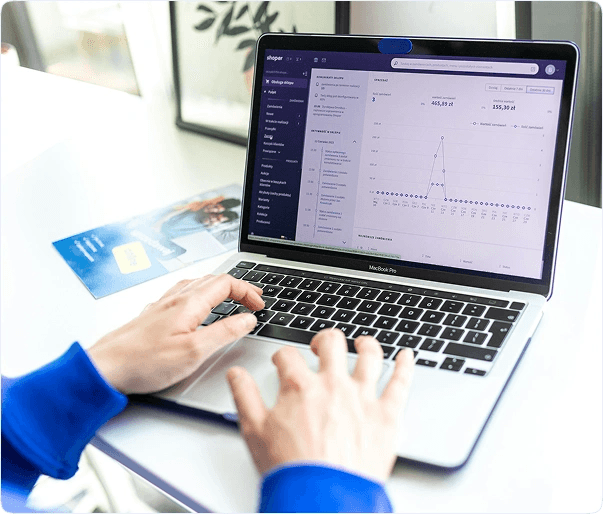
Schedule a demo
Experience how Procurement Resource transforms raw material price data into clear, decision ready intelligence. Optimise your performance with reliable, expert market data and analysis. Schedule your demo today to experience a live walk-through where our experts will showcase interactive price charts, forecasted prices, and insights driving the prices for your key commodities, tailored to your workflows. Contact us now!
Our Team will be happy to assist you
We are just a text away
Still Need Help?
Unlock full access to Procurement Resource's price databases, interactive charts, and short-term forecasts for thousands of commodities. Elevate your sourcing decisions by comparing prices across regions, downloading historical data, and layering in analyst-backed insights, all with our flexible plans that scale as your portfolio grows.
Still have any Questions
Contact Us



Price Trend Dashboard - What's Included
Price trends across a diverse portfolio of categories and products, spanning board to niche chemicals
Coverage extendable to grade-specific chemicals based on procurement requirements
Regular price tracking supported by robust historical datasets
News, policy updates, and key market drivers impacting price movements
Short-term and long-term price outlooks and forecasts
Supply-demand dynamics and capacity-driven market analysis
Why Procurement Database

Commodity Market Intelligence
Track prices, market movements, supply-demand dynamics, and industry developments across hundreds of commodities through a centralized intelligence platform built for informed procurement decisions.

Price Forecasts & Market Outlooks
Understand market fluctuations using analyst-backed forecasts, historical pricing patterns, and evolving industry trends to strengthen sourcing strategies and budget planning.

Cost & Procurement Optimization
Leverage cost models, pricing benchmarks, and procurement insights to evaluate purchasing opportunities, improve negotiations, and enhance operational efficiency.
Global & Regional Market Insights
Access region-specific price trends, trade activities, capacity changes, and supply chain developments influencing commodity markets worldwide.
1/4