Asia
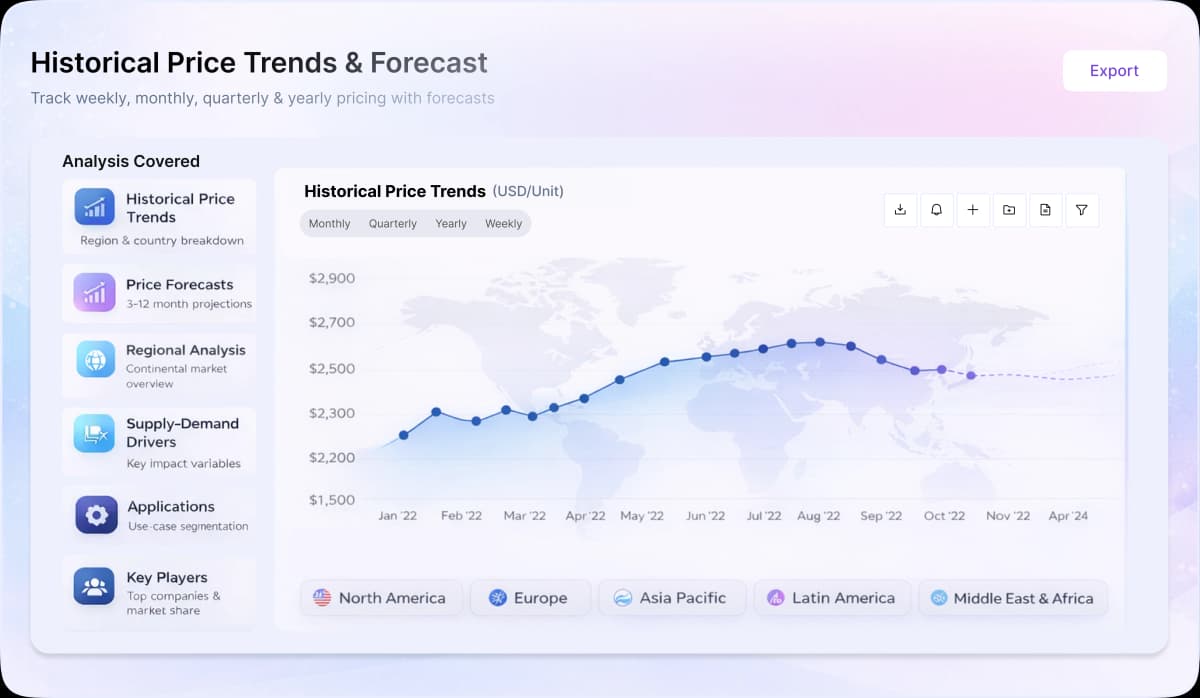
In Asia, the butyric acid market experienced some fluctuations throughout the third quarter of 2024. The key suppliers in the region were cautious in their offerings due to rising freight costs, making imported butyric acid less competitive in Europe and the US.
Domestic demand in Asia remained relatively stable, with steady consumption from the animal feed and chemical sectors. However, market uncertainty persisted, and price hikes were modest despite the global supply chain challenges. This stagnancy was a consequence of the cautious movement of the market players as despite ample demand they sustained their previous production rates.
Europe
In the majority of the European countries, the butyric acid market maintained a relatively stable outlook. Despite an increase in production costs due to rising feedstock propylene prices, the overall market remained balanced. The local suppliers faced challenges from reduced imports, as Asian and Middle Eastern suppliers were deterred by high freight costs and longer transit times. This situation encouraged local suppliers to push for higher prices. While chemical intermediate industries experienced a downturn, the animal fodder sector showed stronger demand, meanwhile production remained slow, which supported butyric acid consumption.
North America
In the United States, the butyric acid market was stable but faced moderate demand, especially in the animal feed sector. While production costs stabilized following the resumption of propylene production plants after maintenance shutdowns, supply remained somewhat restricted due to planned reductions by US oil refiners. Therefore, the return of some propylene plants improved production conditions, but the overall supply-demand balance was tight. As the fall maintenance season approached, market participants anticipated potential disruptions in butyric acid supply. On the other hand, demand for butyric acid from the cosmetics and food flavoring sectors was expected to improve with the onset of the festive quarter, leading to potential price increases.