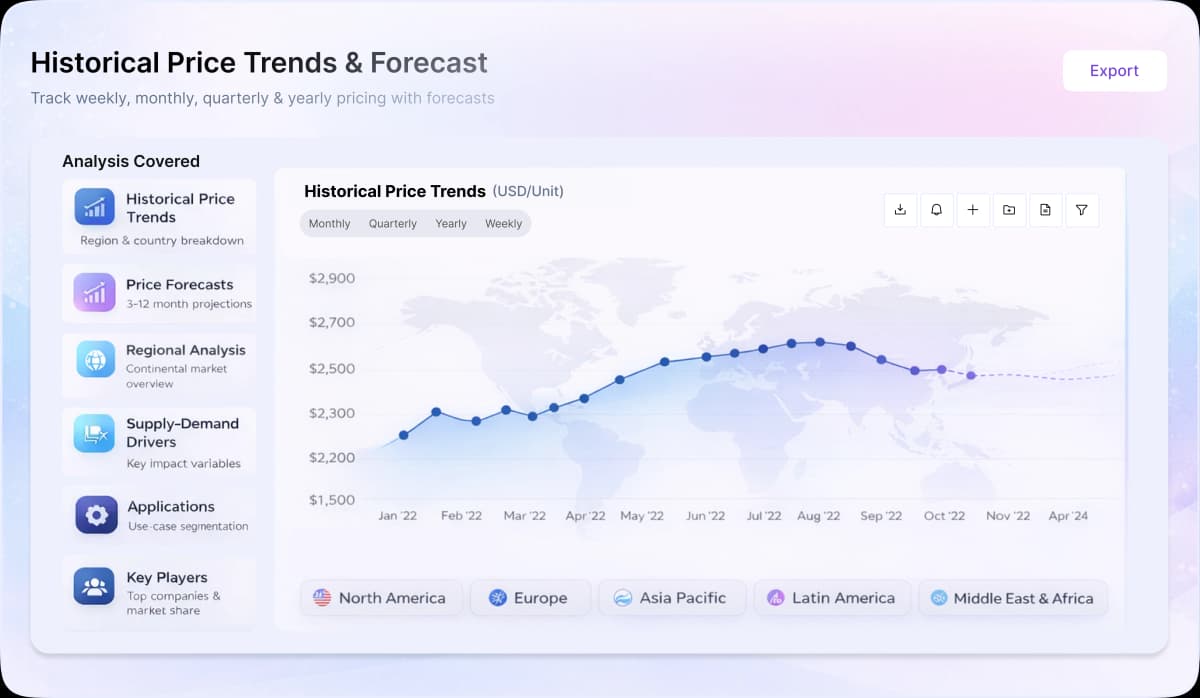
- Global calf prices in Q1’26 followed a firm upward trend, largely supported by tight livestock availability in North America and reduced herd sizes.
- Feedstock pressure remained elevated as higher fuel, freight, and feed-chain costs increased livestock production and transportation expenses.
- Downstream demand from beef processors stayed steady, though weaker export demand and cautious procurement limited stronger price acceleration.
During Q1’26, calf prices in North America showed an upward trend driven by persistent supply constraints and stable processing demand. The U.S. cattle inventory declined to 86.2 million herd, reflecting one of the lowest herd levels in decades, which directly reduced calf availability and tightened feeder supply. At the same time, beef production was forecast at around 25.79 billion pounds, indicating constrained output despite steady consumption needs. Reduced calf crop and limited feedlot placements supported higher valuations across the quarter. Upstream costs increased as fuel, feed logistics, and transportation expenses rose, further tightening supply economics. The Iran war and Strait of Hormuz disruption elevated freight and insurance costs, increasing input pressure across livestock supply chains. Downstream demand from beef processors remained stable, supported by consistent domestic consumption, but export demand softened, which limited aggressive restocking.