Carbon Tetrabromide Price Trend Analysis 2026: Market Insights, Price Drivers, Historical Prices, Supply Demand Analysis & Latest News

Pragati Agarwal profile photo
Written ByPragati Agarwal

Procurement Resource Database

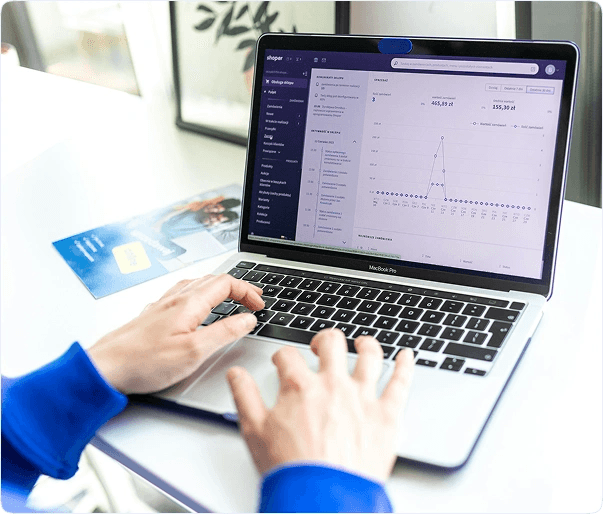
Laptop screen

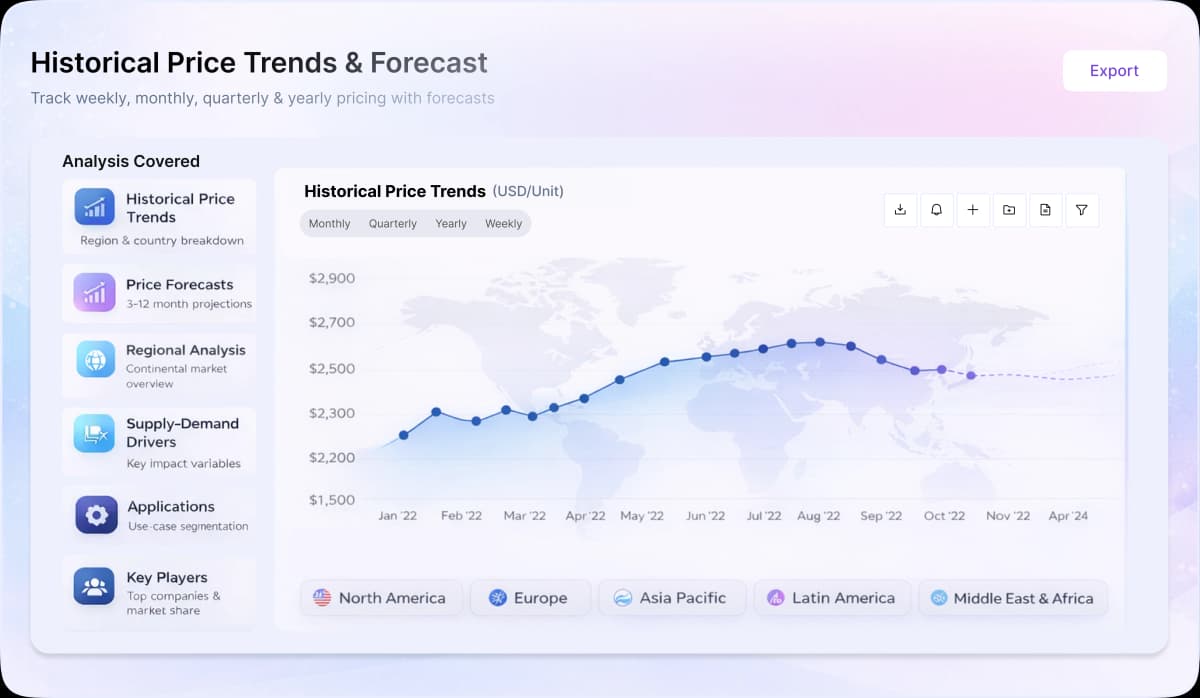
Turn price intelligence into action with the Procurement Resource Database. Log in or subscribe to unlock live price trends, historical charts, supplier databases, cost curves, and analyst-backed insights across chemicals, agriculture, energy, packaging, and more. Use these tools to benchmark your contracts, plan budgets with confidence, and stay ahead of market moves on every product you buy.

0

+

Products

0

+

Regions

0

+

Subscriptions

Asia

In the first quarter of 2024, the carbon tetrabromide market in Asia saw a significant uptick in activity, influenced by favorable pricing trends for natural gas, a key feedstock of the commodity. During the initial phase of the quarter, buyers in several regions of Asia took advantage of declining natural gas prices, which spurred a surge in spot shipments for industrial applications.

This rise in imports, almost a third higher than previous levels, allowed traders to offload domestic inventories and increase profit margins as supply and demand equilibrated. An increase in shipments from Russian suppliers was particularly notable towards the end of the quarter. However, domestic demand in Asia wore off by March, leading traders to focus on exports to maintain profitability.

Europe

In Europe, the price of carbon tetrabromide followed a downward trend, mirroring the declining natural gas prices as the region approached summer. This decrease continued a pattern set over the previous two quarters, initially triggered by geopolitical tensions from Russia's invasion of Ukraine. Consequently, European gas storage reached high levels, resulting in surplus supply and heightened trading concerns. Additional disruptions, including longer shipment times and increased Houthi attacks, compounded the downward pressure on carbon tetrabromide prices during the first quarter of 2024.

North America

In North America, the carbon tetrabromide market saw a slight reversal in the previous trend of supply outpacing demand. In the first quarter, stable domestic natural gas production was met with a marginal increase in demand. This rise in consumption was influenced by weather variations affecting heating and cooling requirements and shifts in energy generation sources. Growing interest from European and Asian markets sustained the demand for U.S. exports. Additionally, delays in shipment arrivals and export times further supported an upward trend in natural gas prices, consequently affecting the pricing trajectory of carbon tetrabromide in the region.

About Carbon Tetrabromide

Carbon tetrabromide (CBr4) is a colorless, odorless liquid with a high density and low solubility in water. It is composed of carbon and four bromine atoms, making it a potent source of bromine in chemical reactions. CBr4 is primarily used in organic synthesis as a brominating agent, facilitating the introduction of bromine atoms into organic compounds.

Its molecular structure and bromine content also make it valuable in the production of fire retardants, where it helps inhibit combustion by disrupting the chemical reactions involved in fire propagation. Due to its chemical properties, CBr4 is handled with care due to its toxicity and environmental impact concerns.

Carbon Tetrabromide Product Detail

HS Code
2903
Chemical Formula

CBr4

CAS Number
558-13-4
Molecular Weight
331.63 g/mol
Industrial Uses

Solvent, Reagent, Fire Retardants

Supplier Database

Shanghai Qian Chemical, Hangzhou Dayangchem, Toronto Research Chemicals, Acme Chemical, Alfa Aesar

Regional Coverage

Asia Pacific

China, India, Indonesia, Pakistan, Bangladesh, Japan, Philippines, Vietnam, Iran, Thailand, South Korea, Iraq, Saudi Arabia, Malaysia, Nepal, Taiwan, Sri Lanka, UAE, Israel, Hongkong, Singapore, Oman, Kuwait, Qatar, Australia, and New Zealand

Europe

Germany, France, United Kingdom, Italy,Spain, Russia, Turkey, Netherlands, Poland, Sweden, Belgium, Austria, Ireland Switzerland, Norway, Denmark, Romania, Finland, Czech Republic, Portugal and Greece

North America

United States and Canada

Latin America

Brazil, Mexico, Argentina, Columbia, Chile, Ecuador, and Peru

Africa

South Africa, Nigeria, Egypt, Algeria, Morocco

CurrencyUS$ (Data can also be provided in local currency)

Supplier Database AvailabilityYes

Customization ScopeThe report can be customized as per the requirements of the customer

Post-Sale Analyst Support360-degree analyst support after report delivery

Note: Our supplier search experts can assist your procurement teams in compiling and validating a list of suppliers indicating they have products, services, and capabilities that meet your company's needs.

Carbon Tetrabromide Production Process

In this synthetic pathway, methane gas reacts with bromine gas to produce solid carbon tetrabromide as the primary product and hydrogen bromide gas as the side product of the synthesis.

Frequently Asked Questions

The carbon tetrabromide outlook for 2026 points to a firming price trend, driven by bromine availability and measured downstream demand. Prices will track bromine and methane-linked natural gas costs, with periodic halogen supply tightness keeping sellers reluctant to discount. Resilient offtake from fire-retardant and fine-chemical synthesis segments provides support. A softening in bromine supply or drop in natural gas costs would ease pressure, while further halogen tightness or firmer downstream buying could push sentiment higher.
Bromine supply tightness is a central driver of carbon tetrabromide prices, since periodic halogen shortages tend to keep sellers reluctant to discount and underpin a firm tone. Contained natural gas costs generally lend stability to production economics, as methane-based chemistry underpins the compound. European buyers typically absorb a modest premium tied to higher conversion and energy costs alongside lengthier inbound logistics. Downstream demand from fire-retardant and fine-chemical synthesis segments tends to stay resilient but cautious, with consumers covering near-term needs rather than building speculative stock, keeping the market range-bound.
Asian producers, anchored by Chinese and Indian manufacturers, dominate carbon tetrabromide supply and largely set the global price benchmark. European and North American markets function primarily as consumers, with European buyers paying a modest premium reflecting higher conversion and logistics costs. Production is concentrated among a small number of Chinese specialty-halogen chemical manufacturers, since verified independent producer identities are limited for this niche fine chemical. This Asian supply concentration is the key structural feature shaping supply security for buyers outside the region.

Carbon tetrabromide is produced via halogen-exchange using tetrachloromethane and aluminium bromide as feedstocks, with bromine gas and methane gas as an alternative direct bromination pathway. Tetrachloromethane reacts with aluminium bromide in a sealed, corrosion-resistant system to yield crude carbon tetrabromide and aluminium chloride. The crude product is purified by sublimation or crystallization, dried, screened, and packed. Finished carbon tetrabromide serves as a solvent for greases and oils, an intermediate in agrochemical production, a vulcanizing agent in rubber, and an ingredient in fire-resistant chemicals for construction, electronics, and automotive applications.

Fire-retardant production for building and construction, electronics, and automotive is the primary demand driver, supported by agrochemical intermediates, rubber vulcanization, and plastic blowing agents. When these industries ramp up output, they pull carbon tetrabromide volumes, and because bromine supply periodically tightens, any demand uptick translates directly into firmer price pressure. Asian producers largely set the global benchmark, while European buyers absorb a logistics and energy premium. Restrained but consistent downstream purchasing keeps the market range-bound rather than volatile.
Procurement Resource assesses carbon tetrabromide prices through a structured, data-driven methodology combining primary engagement with producers, suppliers and traders, secondary market data, continuous monitoring of feedstock and input costs, trade-flow and inventory tracking, and exchange or spot benchmarks. These inputs are validated and translated into a transparent price assessment and outlook. The detailed methodology is available on the Procurement Resource website.

Our Price Analysis Methodology

About the Author

Pragati Agarwal profile photo

Pragati Agarwal

Senior Business Insights Analyst

Delivering price trend analysis and procurement market insights at Procurement Resource, with expertise in identifying commodity patterns, supporting purchasing strategies, and improving cost efficiency through actionable market intelligence.

Schedule Demo

Schedule A Demo

Experience how Procurement Resource transforms raw material price data into clear, decision ready intelligence. Optimise your performance with reliable, expert market data and analysis. Schedule your demo today to experience a live walk-through where our experts will showcase interactive price charts, forecasted prices, and insights driving the prices for your key commodities, tailored to your workflows. Contact us now!

Our Team will be happy to assist you

We are just a text away

+1

Still Need Help?

Europe & Africa

+44 7573 171117

Sales@procurementresource.com

USA & Canada

+1 307 363 1045

Sales@procurementresource.com

APAC

+91 8850629517

Sales@procurementresource.com

Unlock full access to Procurement Resource's price databases, interactive charts, and short-term forecasts for thousands of commodities. Elevate your sourcing decisions by comparing prices across regions, downloading historical data, and layering in analyst-backed insights, all with our flexible plans that scale as your portfolio grows.

Still have any Questions

Contact Us
Mastercard
Wire
VISA
Stripe

Why Procurement Database

Commodity Market Intelligence

Commodity Market Intelligence

Track prices, market movements, supply-demand dynamics, and industry developments across hundreds of commodities through a centralized intelligence platform built for informed procurement decisions.

Price Forecasts & Market Outlooks

Price Forecasts & Market Outlooks

Understand market fluctuations using analyst-backed forecasts, historical pricing patterns, and evolving industry trends to strengthen sourcing strategies and budget planning.

Cost & Procurement Optimization

Cost & Procurement Optimization

Leverage cost models, pricing benchmarks, and procurement insights to evaluate purchasing opportunities, improve negotiations, and enhance operational efficiency.

Global & Regional Market Insights

Global & Regional Market Insights

Access region-specific price trends, trade activities, capacity changes, and supply chain developments influencing commodity markets worldwide.

1/4