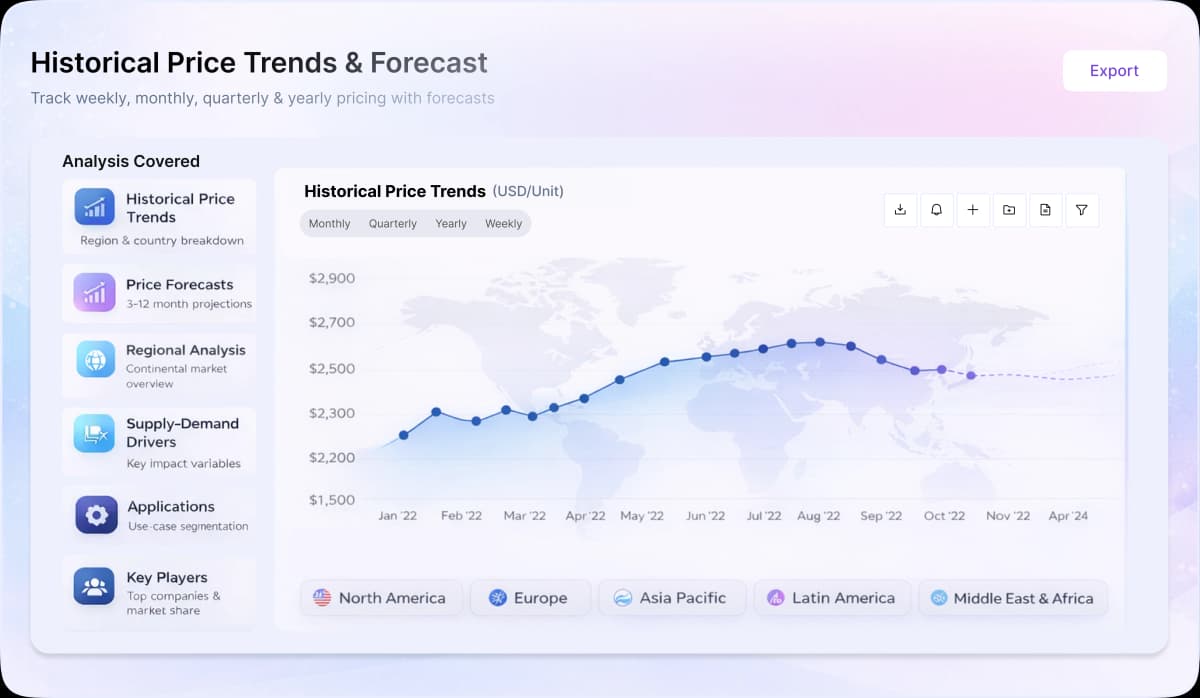
- Choline chloride markets stayed firm across major regions in Q1’26 as upstream chemical costs and logistics disruptions raised production pressure.
- Feedstock pressure came from ethylene oxide, methanol-based amines, ammonia, hydrochloric acid, and higher energy costs linked to Middle East supply-chain disruption.
- Downstream demand remained supported by poultry feed, livestock nutrition, and feed additive consumption, especially in Asia and North America.
Asia
Choline chloride prices in Asia remained firm during Q1’26 due to higher upstream chemical costs and steady feed-sector demand. Ethylene oxide, a key upstream input, recorded a sharp increase in March, while methanol also rose during early and mid-March, increasing cost pressure on methylamine and trimethylamine production. Olefin supply disruption added further pressure, as operating rates at affected Asian facilities were reduced. Meanwhile, demand remained supported by China’s poultry sector, with 2026 chicken meat production projected at 17.3 million tons and human consumption at 16.385 million tons.
Europe
European choline chloride markets were stable to firm, mainly due to higher energy, freight, and chemical feedstock costs after the Iran war and Strait of Hormuz disruption. The region faced added pressure from olefin and petrochemical supply-chain uncertainty, which affected ethylene oxide-linked production costs. Demand from feed additive users remained steady, but buyers avoided aggressive stocking due to elevated input-cost uncertainty.
North America
North American choline chloride markets followed a firm trend, supported by feed additive demand from poultry and livestock nutrition. Higher ammonia, methanol linked amine, and energy costs added pressure to production economics. Freight and insurance risks related to Middle East shipping disruptions also affected landed costs for chemical inputs. Demand was steady as feed producers maintained regular procurement, though buyers stayed cautious on large-volume commitments.