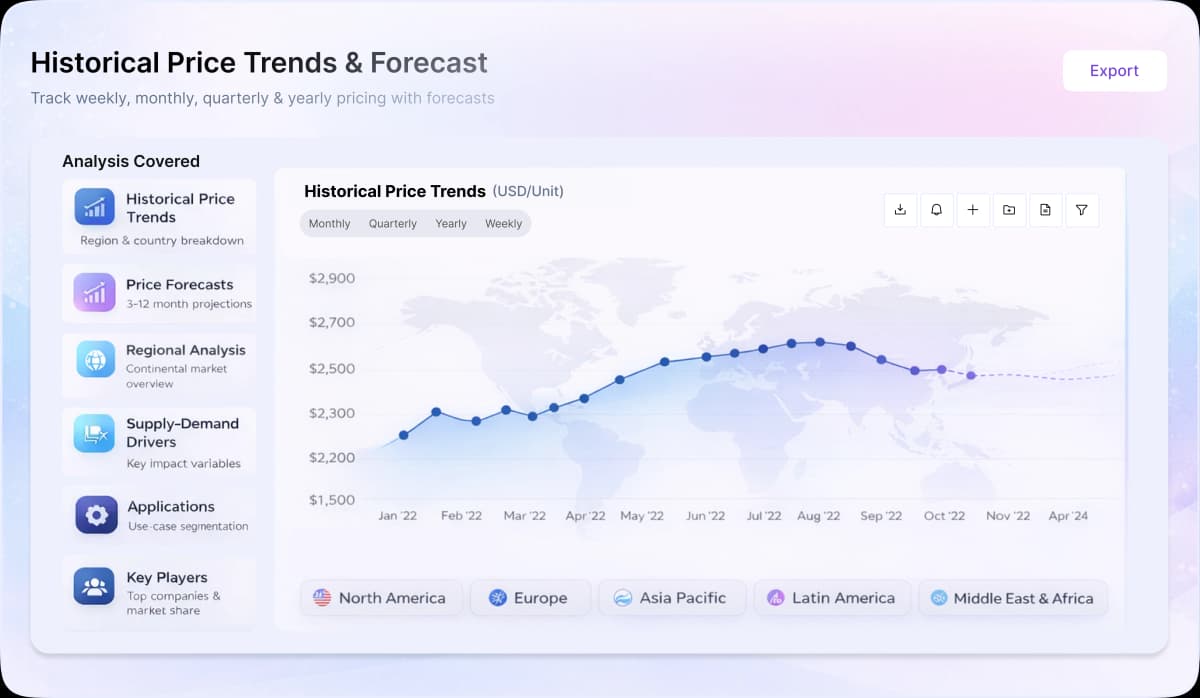
SMM analysis reports cobalt hydroxide prices gradually declined in H1 2026 due to surging recycled cobalt supply and sluggish downstream demand, offsetting tight primary raw material supply. DRC quota policy and metal content detection controls added regulatory uncertainty. The outlook expects continued downward pressure as supply recovery outpaces demand.
Cobalt Hydroxide Price Trend Analysis 2026: Price Drivers, Supply Demand Analysis, Latest News, Historical Prices & Market Insights
Cobalt Hydroxide Price Trend Q1 2026
- Cobalt hydroxide markets remained tight across major regions in Q1’26 as restricted intermediate shipments from the DRC limited availability and supported firm market sentiment.
- Feedstock pressure was driven by constrained cobalt hydroxide exports, delayed shipments, and higher logistics costs linked to geopolitical disruptions.
- Downstream demand was mixed, with battery manufacturers maintaining cautious procurement as EV sales softened and cobalt-light chemistries limited stronger buying.
Asia
In Asia, the cobalt hydroxide market remained under pressure, particularly in China, the main refining hub. Imports of cobalt hydrometallurgical intermediates in March 2026 dropped sharply year-on-year by ~96.7% and fell ~25.9% month-on-month, with total volumes just over 1,690 tons, equivalent to 507 tons of cobalt content at 30% grade. The delayed shipments and administrative export controls from the DRC kept spot availability restricted, and Chinese refiners managed operations with lower inventories. The constrained supply maintained firm market interest, despite cautious purchasing by downstream processors.
Europe
European cobalt hydroxide markets faced similar supply-driven pressures. The DRC accounted for more than ~70% of global mined cobalt, so restricted exports directly affected refined cobalt flows into European refining centers. Inventory levels remained low, and downstream demand from battery manufacturers did not fully offset supply constraints. Logistics and energy costs rose due to geopolitical tensions and shipping disruptions, keeping operational and procurement challenges elevated.
North America
North American markets were influenced by constrained inbound shipments and inventory management. EV battery demand was moderate, with global sales in Q1’26 totaling ~4.0 million units, down ~3% from the prior year, while March sales reached ~1.75 million units. These figures show that supply tightness, not downstream demand, was the main driver of market conditions in the region. Producers focused on optimizing limited stocks and managing production schedules amid upstream uncertainty.
Analyst Insight
According to Procurement Resource, Cobalt hydroxide markets may firm in the near term if DRC export controls continue to slow shipments. Any normalization in export approvals could ease supply pressure later.
Need latest Cobalt Hydroxide price?
Get real-time price assessments, periodic trends, forecasts and price driver insights across key global markets.

Unlock Price Insights NowLatest Developments
Copper smelters are relying on by-product sulfuric acid revenues to offset losses from negative concentrate treatment charges. Strong acid prices are supporting smelter profitability, with prices remaining elevated. The trend underscores the key role of sulfuric acid in smelter economics and suggests continued price strength.
A Strait of Hormuz blockade and export bans from Russia and Kazakhstan severely curtailed sulfur supply, pushing global sulfuric acid prices to multi-year highs. The Chinese smelter acid index gained 94% and CFR Indonesia sulfuric acid rose 185% in H1. Despite a post-ceasefire retreat, inventories remain low and supply recovery is slow, keeping prices elevated.
Our Clients
Procurement Resource Database

Turn price intelligence into action with the Procurement Resource Database. Log in or subscribe to unlock live price trends, historical charts, supplier databases, cost curves, and analyst-backed insights across chemicals, agriculture, energy, packaging, and more. Use these tools to benchmark your contracts, plan budgets with confidence, and stay ahead of market moves on every product you buy.
Cobalt Hydroxide Dashboard Inclusions

0
+Products
0
+Regions
0
+Subscriptions
About Cobalt Hydroxide
Cobalt hydroxide is an inorganic cobalt compound widely used as an intermediate material in the production of lithium-ion battery cathodes. It is typically obtained from cobalt-bearing ores and concentrates through hydrometallurgical refining processes. The material serves as a key precursor for cobalt sulfate and battery-grade cathode materials used in electric vehicles and energy storage systems. Growing battery demand has significantly increased the strategic importance of cobalt hydroxide in global supply chains.
Cobalt Hydroxide Product Detail
Co(OH)2
CMOC Group, Glencore, Eurasian Resources Group (ERG), Huayou Cobalt, Zhejiang Huayou Cobalt Co.Ltd., Jinchuan Group
Cobalt(II) Hydroxide, Cobalt Dihydroxide, Cobaltous Hydroxide, Cobalt Hydroxide Cake, Battery-Grade Cobalt Hydroxide, Co(OH)2
Regional Coverage
Asia Pacific
Europe
North America
Latin America
Africa
CurrencyUS$ (Data can also be provided in local currency)
Supplier Database AvailabilityYes
Customization ScopeThe report can be customized as per the requirements of the customer
Post-Sale Analyst Support360-degree analyst support after report delivery
Note: Our supplier search experts can assist your procurement teams in compiling and validating a list of suppliers indicating they have products, services, and capabilities that meet your company's needs.
Production Process
Cobalt hydroxide is produced through hydrometallurgical processing of cobalt-containing ores or intermediate materials. Following leaching and impurity removal, cobalt-rich solutions are treated with alkaline reagents such as sodium hydroxide or lime, causing cobalt hydroxide to precipitate. The precipitated material is filtered, washed, dried, and refined to achieve the desired purity. Battery-grade cobalt hydroxide undergoes additional purification to meet stringent specifications required for cathode precursor manufacturing.
Industrial Uses
Cobalt hydroxide is primarily utilized in the manufacture of lithium-ion battery cathodes, particularly for nickel-cobalt-manganese (NCM) and nickel-cobalt-aluminum (NCA) battery chemistries. It is also used in cobalt sulfate production, catalysts, pigments, ceramics, specialty chemicals, and metal finishing applications. The rapid expansion of electric vehicle production and energy storage installations has made battery manufacturing the largest end-use sector for cobalt hydroxide globally.
Frequently Asked Questions
About the Author

Rakesh Nandi
Team Lead - Market Research
Leading procurement-focused market intelligence across chemicals, composites, advanced materials, aerospace & defense, and energy, delivering commodity forecasts, supply chain analysis, and competitive benchmarking to support sourcing decisions.
Our Price Analysis Methodology

Schedule a demo
Experience how Procurement Resource transforms raw material price data into clear, decision ready intelligence. Optimise your performance with reliable, expert market data and analysis. Schedule your demo today to experience a live walk-through where our experts will showcase interactive price charts, forecasted prices, and insights driving the prices for your key commodities, tailored to your workflows. Contact us now!
Our Team will be happy to assist you
We are just a text away
Still Need Help?
Unlock full access to Procurement Resource's price databases, interactive charts, and short-term forecasts for thousands of commodities. Elevate your sourcing decisions by comparing prices across regions, downloading historical data, and layering in analyst-backed insights, all with our flexible plans that scale as your portfolio grows.
Still have any Questions
Contact Us


Price Trend Dashboard - What's Included
Price trends across a diverse portfolio of categories and products, spanning board to niche chemicals
Coverage extendable to grade-specific chemicals based on procurement requirements
Regular price tracking supported by robust historical datasets
News, policy updates, and key market drivers impacting price movements
Short-term and long-term price outlooks and forecasts
Supply-demand dynamics and capacity-driven market analysis