

Udeesha Tomar
AVP - Strategy and Solutions
Leading procurement research solutions across chemicals, materials, and food & beverages, with expertise in price forecasting and market analytics.

| Product | Category | Region | Price | Last Updated Month |
| Corrugated Medium | Packaging | China | 427 USD/MT | December 2023 |
| Corrugated Medium | Packaging | USA | 1064 USD/MT | December 2023 |
The fluctuations in consumer behavior and economic situations substantially impact the demand for packaging materials. Along with this, prices for raw materials, especially paper and recycled fibers, have affected pricing policies and production costs of corrugated medium heavily in the recent quarters.
The DDGS pricing trends are likely to be dependent on the trend being observed by the downstream pharmaceutical industries, as these grains serves as the feedstock material for a number of microbial fermentations processes in the pharmaceutical sector.
Analyst Insight
According to Procurement Resource, the price trend of Corrugated Medium is expected to remain dim, particularly in the European markets as the rising inflation and low consumer demand will reflect negatively in the price trajectory of Corrugated medium.
Procurement Resource provides latest prices of Corrugated Medium. Each price database is tied to a user-friendly graphing tool dating back to 2014, which provides a range of functionalities: configuration of price series over user defined time period; comparison of product movements across countries; customisation of price currencies and unit; extraction of price data as excel files to be used offline.
Need Latest Corrugated Medium Prices?
Get real-time price assessments, periodic trends, forecasts and price driver insights across key global markets.
Our Clients































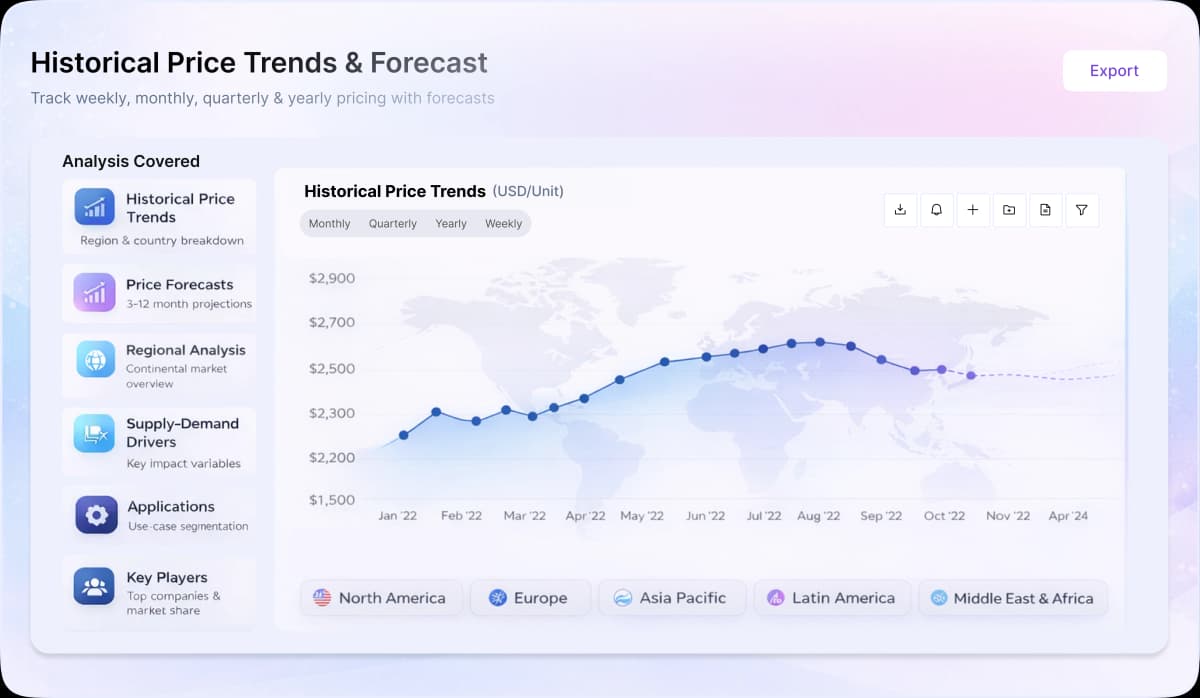
Turn price intelligence into action with the Procurement Resource Database. Log in or subscribe to unlock live price trends, historical charts, supplier databases, cost curves, and analyst-backed insights across chemicals, agriculture, energy, packaging, and more. Use these tools to benchmark your contracts, plan budgets with confidence, and stay ahead of market moves on every product you buy.
0
+Products
0
+Regions
0
+Subscriptions
Corrugated medium is a paper material used as the inner fluted layer of corrugated board. It is produced mainly from recycled fibres or semi-chemical pulp and provides cushioning, rigidity, and impact protection to packaging. It is designed to maintain structural strength while keeping packaging lightweight and recyclable.
International Paper Company, Smurfit Kappa Group, WestRock Company, Mondi Group, DS Smith Plc, Nine Dragons Paper Holdings Limited
CurrencyUS$ (Data can also be provided in local currency)
Supplier Database AvailabilityYes
Customization ScopeThe report can be customized as per the requirements of the customer
Post-Sale Analyst Support360-degree analyst support after report delivery
Note: Our supplier search experts can assist your procurement teams in compiling and validating a list of suppliers indicating they have products, services, and capabilities that meet your company's needs.
Corrugated medium production involves fibre preparation, paper manufacturing, drying, and finishing operations. Manufacturers control fibre quality, moisture content, basis weight, and strength properties to produce medium grades suitable for high-performance corrugated packaging applications.
Corrugated medium is primarily used in manufacturing corrugated boxes and packaging materials for industries such as food and beverages, electronics, pharmaceuticals, consumer goods, and logistics. It forms the fluted layer between linerboards, providing compression strength and shock absorption during storage and transportation of packaged products.
Our Price Analysis Methodology
AVP - Strategy and Solutions
Leading procurement research solutions across chemicals, materials, and food & beverages, with expertise in price forecasting and market analytics.
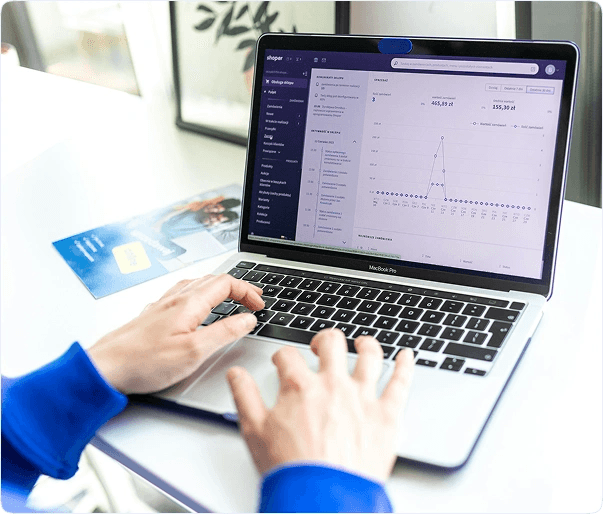
Experience how Procurement Resource transforms raw material price data into clear, decision ready intelligence. Optimise your performance with reliable, expert market data and analysis. Schedule your demo today to experience a live walk-through where our experts will showcase interactive price charts, forecasted prices, and insights driving the prices for your key commodities, tailored to your workflows. Contact us now!
Our Team will be happy to assist you
We are just a text away
Still Need Help?
Europe & Africa
+44 7573 171117
Sales@procurementresource.com
USA & Canada
+1 307 363 1045
Sales@procurementresource.com
APAC
+91 8850629517
Sales@procurementresource.com
Unlock full access to Procurement Resource's price databases, interactive charts, and short-term forecasts for thousands of commodities. Elevate your sourcing decisions by comparing prices across regions, downloading historical data, and layering in analyst-backed insights, all with our flexible plans that scale as your portfolio grows.
Still have any Questions
Contact Us



Price Trend Dashboard - What's Included
Price trends across a diverse portfolio of categories and products, spanning board to niche chemicals
Coverage extendable to grade-specific chemicals based on procurement requirements
Regular price tracking supported by robust historical datasets
News, policy updates, and key market drivers impacting price movements
Short-term and long-term price outlooks and forecasts
Supply–demand dynamics and capacity-driven market analysis

Track prices, market movements, supply-demand dynamics, and industry developments across hundreds of commodities through a centralized intelligence platform built for informed procurement decisions.

Understand market fluctuations using analyst-backed forecasts, historical pricing patterns, and evolving industry trends to strengthen sourcing strategies and budget planning.

Leverage cost models, pricing benchmarks, and procurement insights to evaluate purchasing opportunities, improve negotiations, and enhance operational efficiency.
Access region-specific price trends, trade activities, capacity changes, and supply chain developments influencing commodity markets worldwide.