Indian onion prices surge 80% from lows
Wholesale onion prices at Lasalgaon APMC jumped from ₹1,500 to ₹2,700 per quintal due to stronger domestic demand and improving exports. Further price gains are expected as export activity gains momentum.

Wholesale onion prices at Lasalgaon APMC jumped from ₹1,500 to ₹2,700 per quintal due to stronger domestic demand and improving exports. Further price gains are expected as export activity gains momentum.
In 2025, dehydrated onion prices showed a mixed pattern, with periods of sharp rises and gradual declines throughout the year. Early in the year, prices increased significantly in Bangladesh as farmers and traders held back stocks, hoping to get better returns during the peak harvest season. The government’s suspension of imports further limited market supply, pushing prices upward despite ample domestic production. Similar trends were seen in India, where heavy rains damaged some onion crops, reducing arrivals in major wholesale markets and contributing to short-term price spikes.
However, in other regions, including Nashik in India, prices gradually declined as imports increased and stored onions were released into markets. The higher supply from multiple countries such as Australia, Brazil, Myanmar, and African nations helped balance shortages and prevented extreme price surges. Overall, 2025 saw a combination of weather-related supply disruptions, stock management by farmers, and global imports influencing dehydrated onion prices. Prices were generally volatile in the first half but stabilized later as market supply improved.
Analyst Insight
According to Procurement Resource, Dehydrated Onion prices are expected to remain relatively stable in the coming months, with minor fluctuations, as global supply continues to meet market demand.
Need Latest Dehydrated Onion Prices?
Get real-time price assessments, periodic trends, forecasts and price driver insights across key global markets.
Our Clients































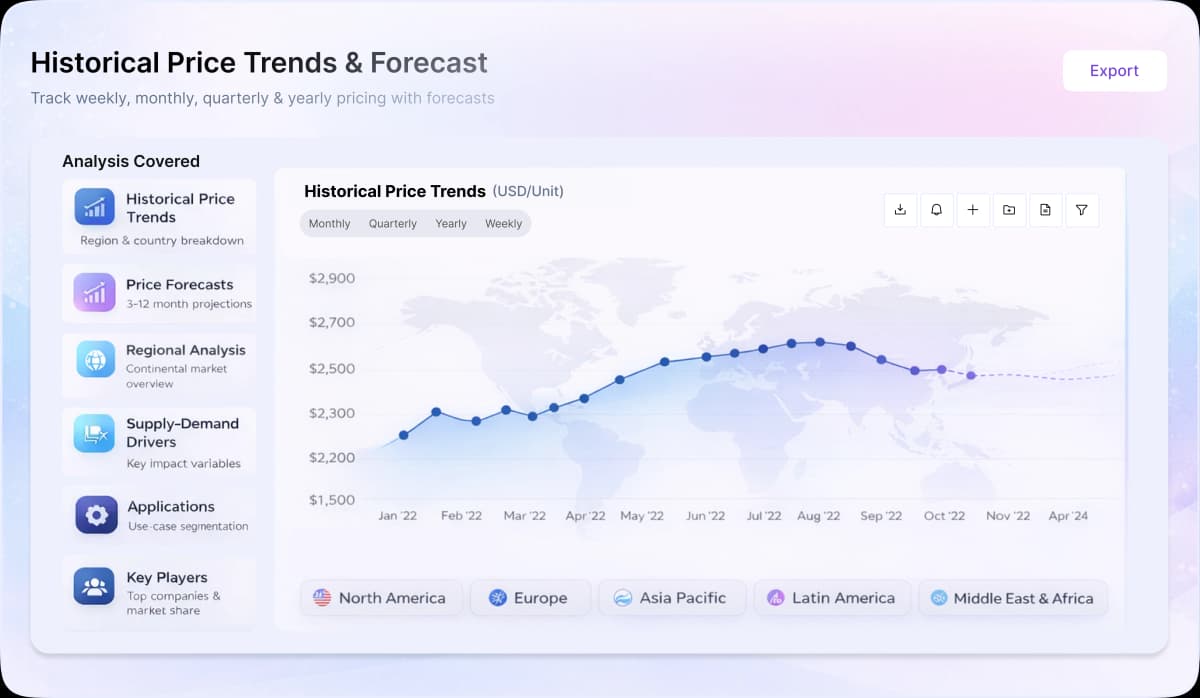
Turn price intelligence into action with the Procurement Resource Database. Log in or subscribe to unlock live price trends, historical charts, supplier databases, cost curves, and analyst-backed insights across chemicals, agriculture, energy, packaging, and more. Use these tools to benchmark your contracts, plan budgets with confidence, and stay ahead of market moves on every product you buy.
0
+Products
0
+Regions
0
+Subscriptions
In Q4 2024, the price trend for dehydrated onions experienced notable fluctuations, primarily driven by changes in the fresh onion market and government intervention. Early in the quarter, the market faced pressure due to high onion prices, which were attributed to a supply gap from the previous harvest. As fresh onions were in short supply, prices surged, creating a ripple effect that impacted the prices of dehydrated onions as well. The government responded by releasing buffer stock onions at subsidized rates, aiming to ease the supply constraints and stabilize prices in key markets.
As the quarter progressed, the situation began to change with the arrival of the new kharif crop. This led to an increase in the availability of fresh onions, which contributed to a gradual decline in prices across the onion market. With improved supply conditions, the demand for dehydrated onions started to stabilize, and prices began to cool off in line with the fresh onion market’s improvement.
Despite the release of buffer stock and the entry of new crop onions, the fluctuating prices of fresh onions and export duties continued to affect the market dynamics for dehydrated onions, especially in major production regions like Maharashtra. This led to some price volatility, though overall, the market saw more balance toward the end of the quarter.
Dehydrated onions are onions from which moisture has been removed through drying methods to extend their shelf life and concentrate flavor. This process involves peeling, washing, and slicing onions, which are then subjected to heat in a drying chamber until most of the water content evaporates. The resulting product is lightweight, shelf-stable, and used as a convenient substitute for fresh onions in various culinary and industrial applications.
Food Processing, Snack Manufacturing, Seasoning and Condiments, Fast Food and Quick Service Restaurants, Meat and Poultry, Packaged Food
Olam International, Jain Farm Fresh Foods Ltd., Daksh Foods Pvt. Ltd., Jiyan Food Ingredients, Natural Dehydrated Vegetables Pvt. Ltd., Real Dehydrates Pvt. Ltd., Harmony House Foods Inc.
CurrencyUS$ (Data can also be provided in local currency)
Supplier Database AvailabilityYes
Customization ScopeThe report can be customized as per the requirements of the customer
Post-Sale Analyst Support360-degree analyst support after report delivery
Note: Our supplier search experts can assist your procurement teams in compiling and validating a list of suppliers indicating they have products, services, and capabilities that meet your company's needs.
The production process for dehydrated onions involves peeling and washing the onions, followed by slicing or chopping. The onion pieces are then spread on trays and dried in a hot air chamber at controlled temperatures. This removes moisture, concentrating the onion's flavor. Finally, the dried onions are cooled, screened for quality, and packaged for distribution.
Our Price Analysis Methodology

Senior Lead Analyst
Delivering procurement intelligence and commodity research across automotive, oil & gas, chemicals, aerospace, and energy, helping sourcing teams decode complex supply chain data to sharpen purchasing strategies and achieve sustainable cost outcomes.

Experience how Procurement Resource transforms raw material price data into clear, decision ready intelligence. Optimise your performance with reliable, expert market data and analysis. Schedule your demo today to experience a live walk-through where our experts will showcase interactive price charts, forecasted prices, and insights driving the prices for your key commodities, tailored to your workflows. Contact us now!
Our Team will be happy to assist you
We are just a text away
Still Need Help?
Europe & Africa
+44 7573 171117
Sales@procurementresource.com
USA & Canada
+1 307 363 1045
Sales@procurementresource.com
APAC
+91 8850629517
Sales@procurementresource.com
This study analyzes Onion Production by Agricultural Methods, covering manufacturing, process flow, operating expenses, and financial considerations.
Unlock full access to Procurement Resource's price databases, interactive charts, and short-term forecasts for thousands of commodities. Elevate your sourcing decisions by comparing prices across regions, downloading historical data, and layering in analyst-backed insights, all with our flexible plans that scale as your portfolio grows.
Still have any Questions
Contact Us



Price Trend Dashboard - What's Included
Price trends across a diverse portfolio of categories and products, spanning board to niche chemicals
Coverage extendable to grade-specific chemicals based on procurement requirements
Regular price tracking supported by robust historical datasets
News, policy updates, and key market drivers impacting price movements
Short-term and long-term price outlooks and forecasts
Supply–demand dynamics and capacity-driven market analysis

Track prices, market movements, supply-demand dynamics, and industry developments across hundreds of commodities through a centralized intelligence platform built for informed procurement decisions.

Understand market fluctuations using analyst-backed forecasts, historical pricing patterns, and evolving industry trends to strengthen sourcing strategies and budget planning.

Leverage cost models, pricing benchmarks, and procurement insights to evaluate purchasing opportunities, improve negotiations, and enhance operational efficiency.
Access region-specific price trends, trade activities, capacity changes, and supply chain developments influencing commodity markets worldwide.

