

Udeesha Tomar
AVP - Strategy and Solutions
Leading procurement research solutions across chemicals, materials, and food & beverages, with expertise in price forecasting and market analytics.

The dipotassium phosphate market is driven by its extensive use as a food additive, fertilizer, and buffering agent in various industries. Increasing demand for processed foods and beverages boosts its use as a stabilizer and emulsifier. The agriculture sector relies on it for its effective fertilizer properties and contributes significantly to its downstream industry share. Additionally, the pharmaceutical industry utilizes dipotassium phosphate in medications and supplements, enhancing market growth.
Therefore, the dipotassium phosphate prices, influenced by the broader trends in the food additives sector, experienced an oscillating trend during the first quarter of 2024. Globally, the traders experienced the effects of the alteration of the Red Sea trading route. The attacks by the Houthi militia on commercial vessels disrupted the cargo flows. In response to this, the US and UK launched counterattacks against the rebels in Yemen, further depreciating the trading activities.
In the feed additive sector, the diversion of freight routes through South Africa instead of the Suez Canal increased lead times and the logistics cost incurred by the consumer sector. The slowing down of production activities in Asian countries with the onset of the Chinese New Year holidays and a halt in deliveries by Western suppliers also contributed to the surge of prices of feed additives such as dipotassium phosphate.
Analyst Insight
According to Procurement Resource, the price of Dipotassium Phosphate is estimated to incline with the rise in the transportation costs and changing dynamics of the feed additive and fertilizer sector. However, consumer spending habits and increasing inflationary pressure might limit its growth in the next quarters.
Related Report
Need Latest Dipotassium Phosphate Prices?
Get real-time price assessments, periodic trends, forecasts and price driver insights across key global markets.
Our Clients































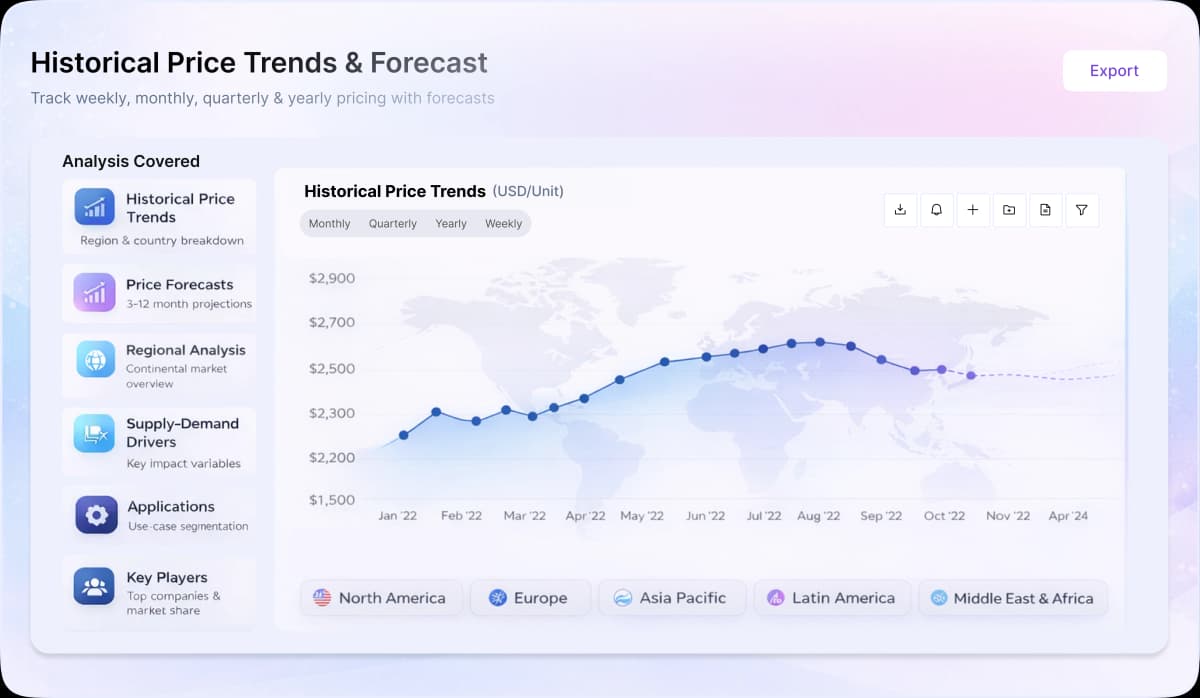
Turn price intelligence into action with the Procurement Resource Database. Log in or subscribe to unlock live price trends, historical charts, supplier databases, cost curves, and analyst-backed insights across chemicals, agriculture, energy, packaging, and more. Use these tools to benchmark your contracts, plan budgets with confidence, and stay ahead of market moves on every product you buy.
0
+Products
0
+Regions
0
+Subscriptions
Dipotassium phosphate, with the chemical formula K2HPO4, is a water-soluble salt that appears as a white, crystalline powder. It is commonly used as a buffering agent, stabilizer, and emulsifier. Dipotassium phosphate effectively regulates pH levels and maintains stability in various solutions, making it valuable in food and beverage products such as dairy, processed meats, and beverages. Additionally, it is utilized in fertilizers to supply essential potassium and phosphorus nutrients to plants, enhancing growth and yield. Its solubility and non-toxicity also make it suitable for applications in pharmaceuticals, cosmetics, and water treatment processes, where it helps prevent scale and corrosion in industrial systems.
K2HPO4
Food additive, Buffering agent, Emulsifier, Water Treatment, Cosmetics
Chengdu Beluckey Technology Co Ltd, Merck KGaA, Indiana Chem Port, Apex Maritime, Aditya Birla Chemicals, Haifa Chemicals
CurrencyUS$ (Data can also be provided in local currency)
Supplier Database AvailabilityYes
Customization ScopeThe report can be customized as per the requirements of the customer
Post-Sale Analyst Support360-degree analyst support after report delivery
Note: Our supplier search experts can assist your procurement teams in compiling and validating a list of suppliers indicating they have products, services, and capabilities that meet your company's needs.
The partial neutralization reaction is carried out using phosphoric acid and potassium chloride, where the latter product acts as a base. In the partial neutralization of phosphoric acid, a mixture of products is generated along with the production of dipotassium phosphate, which is separated and filtered.
Our Price Analysis Methodology
AVP - Strategy and Solutions
Leading procurement research solutions across chemicals, materials, and food & beverages, with expertise in price forecasting and market analytics.
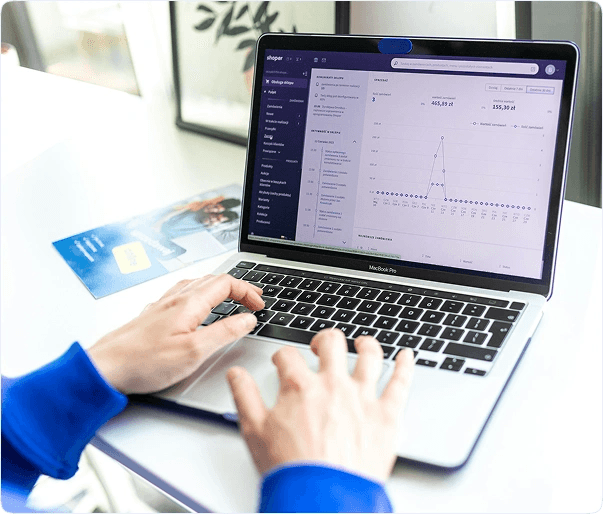
Experience how Procurement Resource transforms raw material price data into clear, decision ready intelligence. Optimise your performance with reliable, expert market data and analysis. Schedule your demo today to experience a live walk-through where our experts will showcase interactive price charts, forecasted prices, and insights driving the prices for your key commodities, tailored to your workflows. Contact us now!
Our Team will be happy to assist you
We are just a text away
Still Need Help?
Europe & Africa
+44 7573 171117
Sales@procurementresource.com
USA & Canada
+1 307 363 1045
Sales@procurementresource.com
APAC
+91 8850629517
Sales@procurementresource.com
Unlock full access to Procurement Resource's price databases, interactive charts, and short-term forecasts for thousands of commodities. Elevate your sourcing decisions by comparing prices across regions, downloading historical data, and layering in analyst-backed insights, all with our flexible plans that scale as your portfolio grows.
Still have any Questions
Contact Us



Price Trend Dashboard - What's Included
Price trends across a diverse portfolio of categories and products, spanning board to niche chemicals
Coverage extendable to grade-specific chemicals based on procurement requirements
Regular price tracking supported by robust historical datasets
News, policy updates, and key market drivers impacting price movements
Short-term and long-term price outlooks and forecasts
Supply–demand dynamics and capacity-driven market analysis

Track prices, market movements, supply-demand dynamics, and industry developments across hundreds of commodities through a centralized intelligence platform built for informed procurement decisions.

Understand market fluctuations using analyst-backed forecasts, historical pricing patterns, and evolving industry trends to strengthen sourcing strategies and budget planning.

Leverage cost models, pricing benchmarks, and procurement insights to evaluate purchasing opportunities, improve negotiations, and enhance operational efficiency.
Access region-specific price trends, trade activities, capacity changes, and supply chain developments influencing commodity markets worldwide.