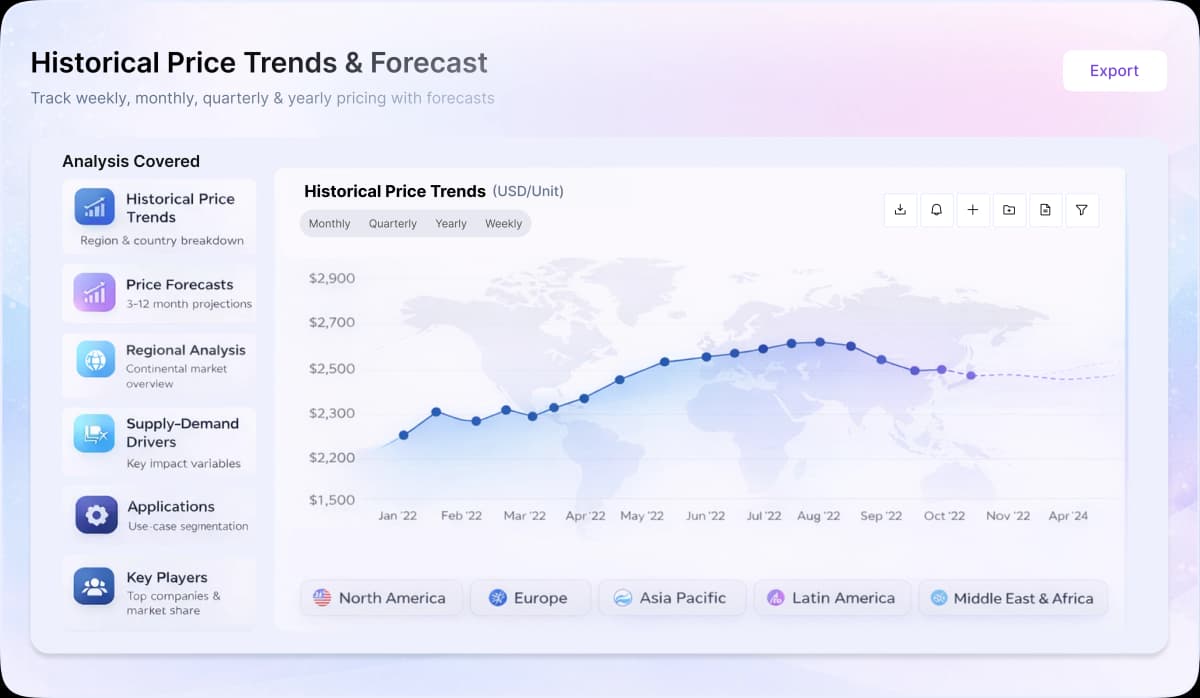
- Ethyl acrylate prices followed a firm trend in Q1 2026, with Asia seeing the strongest cost pressure and Europe and North America showing firmer replacement-cost sentiment.
- Feedstock pressure strengthened through propylene, acrylic acid, ethanol, crude-linked costs, and freight risk after the Iran war disrupted Middle East chemical and shipping routes.
- Downstream demand from coatings, adhesives, sealants, textiles, packaging, and water-based polymers remained cautious, limiting demand-led price spikes.
Asia
In Asia, ethyl acrylate prices moved firm in Q1 2026 as upstream acrylic acid and propylene costs rose sharply after Middle East tensions affected crude-linked chemical markets. Regional producers faced higher production costs, while buyers remained cautious at elevated levels. The impact was strongest in China, where ethyl acrylate sentiment was supported by higher acrylic acid, ethanol, and propylene values. Downstream coatings, adhesives, textile auxiliaries, and emulsion polymer demand stayed steady but did not create aggressive restocking.
Europe
In Europe, ethyl acrylate prices showed a mixed-to-firm trend. The market remained demand-sensitive because construction-linked coatings, adhesives, and acrylate applications were still weak. However, import replacement costs increased as Middle East shipping slowed and security-related freight costs rose. Route uncertainty after the Strait of Hormuz disruption raised landed-cost pressure for imported solvents and acrylates, keeping suppliers cautious even when downstream buying stayed selective.
North America
In North America, ethyl acrylate prices remained comparatively balanced but firmed through logistics and feedstock-cost pressure. Domestic supply helped reduce direct exposure to import disruption, while weak housing and construction activity limited stronger acrylate demand. Still, global supply-chain risk supported cautious procurement. Middle East petrochemical assets at risk represented 32.0% of regional olefin supply, which kept propylene linked markets sensitive. US Gulf Coast chemical container exports rose 12.0% in March, with 20.0% surge capacity available, supporting logistics flexibility.