Asia
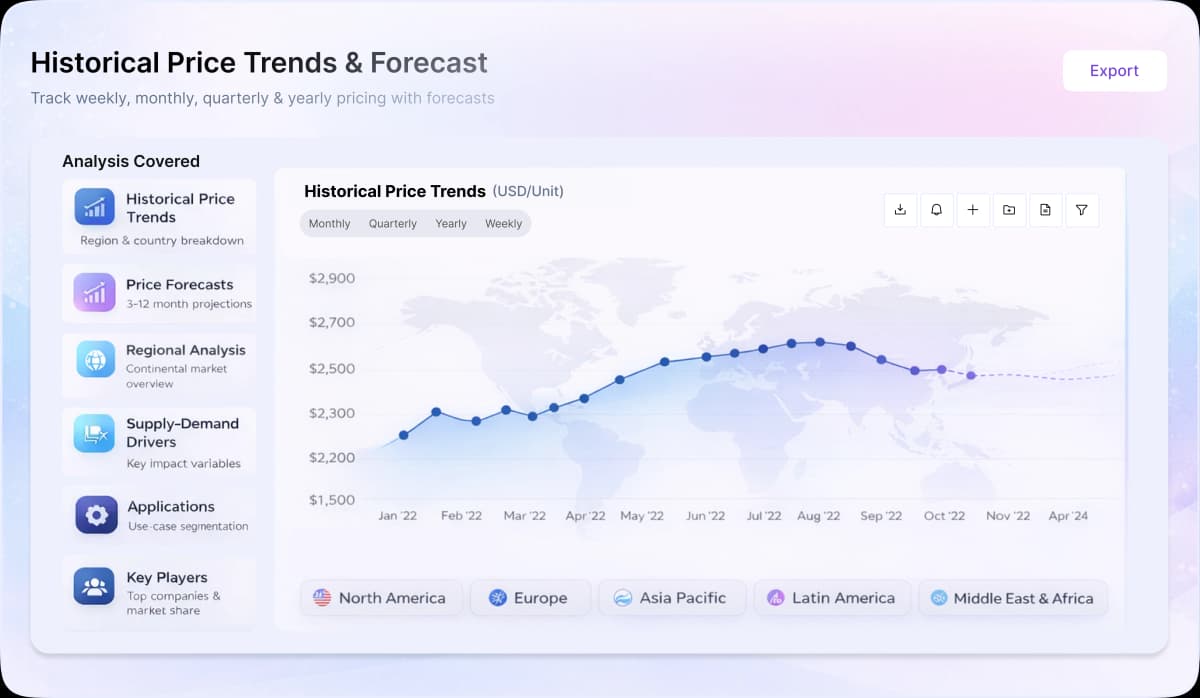
In the first half of 2025, the price trend for Fatty Alcohol C-12 in Asia showed two distinct phases. During the first quarter, prices dropped significantly due to low demand and cheaper raw materials. Palm oil prices fell sharply because of high inventory levels, weaker biodiesel consumption, and currency fluctuations in Malaysia. This led to lower production costs for fatty alcohols.
In China, trading activity slowed down ahead of the Spring Festival, and buying interest remained low through February, which further dragged prices down. However, in the second quarter, the situation began to improve. Several production facilities went into maintenance, limiting supply in the market. At the same time, demand from the personal care sector remained steady, which supported the price recovery. Buyers also returned for spot purchases, and by the end of Q2, the market showed signs of a gradual rebound.
Europe
In Europe, Fatty Alcohol C-12 prices also went through a weak first quarter followed by a recovery in the second. During Q1, prices remained under pressure because of sluggish demand and high stock levels. January and February saw limited buying, as many buyers delayed orders due to ongoing economic uncertainty. The drop in palm oil prices helped ease cost pressures further. However, things started to turn around in March. Rising feedstock prices and supply concerns pushed some producers to raise their prices. In Q2, even though logistics improved slightly, the weak euro kept import costs high. Demand from the specialty chemical and biofuel sectors supported the market. Buyers mostly stuck to short-term contracts, but sentiment improved as activity picked up in specific industries.
North America
North America saw a mixed trend in Fatty Alcohol C-12 pricing during H1’25. In Q1, prices fell as demand remained weak and feedstock prices eased. High inventories and cautious purchasing behaviour kept market activity slow through January and February. But by March, the trend shifted. Input costs began to rise, and demand from key sectors like personal care and industrial applications started to grow.
In Q2, the market stabilized. Port operations and freight rates improved, which helped balance supply chains. Although some non-core sectors stayed inconsistent, the overall demand held steady, and prices managed to stay firm without large fluctuations.