
Prakhar Panchbhaiya
Assistant Manager: Business Insights and Content
Supporting procurement teams with category intelligence, market research, price trends, supply-demand analysis, and strategic sourcing insights across key industries.

In the second half of 2025, fennel seed oil saw upward pressure on prices due to several factors. Tariffs imposed by the Trump administration on Indian imports initially increased costs, as India is a major supplier of spices, including fennel seeds.
This led importers and retailers to anticipate higher expenses, which gradually affected consumer prices. Supply chain disruptions and the need for compliance with import regulations also slowed the flow of raw material, putting further pressure on availability.Additionally, a significant seizure of adulterated fennel seeds in Indore highlighted quality concerns, limiting the quantity of good-quality seeds entering the market and causing additional strain on supply. Businesses were cautious in managing inventory, often delaying restocking or seeking alternative sources to navigate the tariff and quality challenges. Overall, these factors contributed to a steady rise in fennel seed oil prices during H2’25, with gradual adjustments observed across retail channels.
Related Report
Need Latest Fennel Seed Oil Prices?
Get real-time price assessments, periodic trends, forecasts and price driver insights across key global markets.
Our Clients































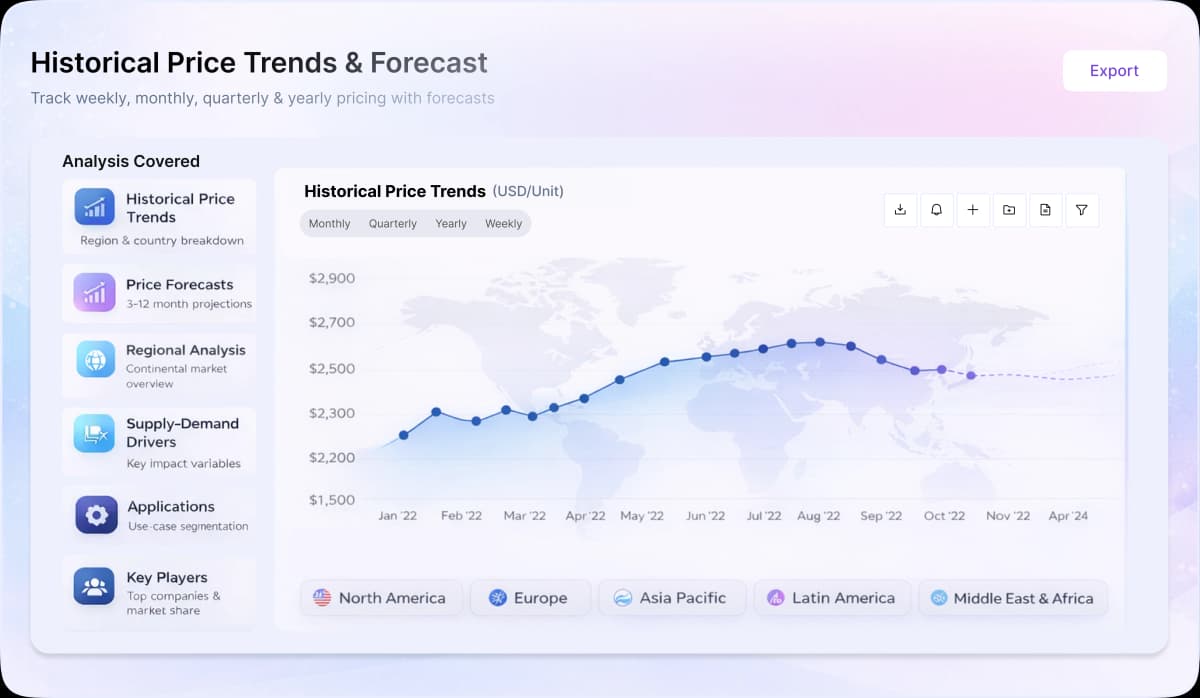
Turn price intelligence into action with the Procurement Resource Database. Log in or subscribe to unlock live price trends, historical charts, supplier databases, cost curves, and analyst-backed insights across chemicals, agriculture, energy, packaging, and more. Use these tools to benchmark your contracts, plan budgets with confidence, and stay ahead of market moves on every product you buy.
0
+Products
0
+Regions
0
+Subscriptions
In the first half of 2025, the global fennel seed oil market experienced a moderate upward trend. This was driven by several key factors, including higher production costs, increased demand from the food, health, and cosmetic industries, and ongoing global supply chain challenges. Many fennel-growing regions faced weather-related disruptions and rising costs for agricultural inputs, which limited supply and kept prices firm. Additionally, inflationary trends in many economies contributed to higher logistics and export costs, adding pressure to the final price of fennel seed oil.
In Ukraine, the trend mirrored the global movement, with growing reliance on imported fennel and other seeds. Farmers highlighted problems with the suitability of imported seeds, leading to inconsistent yields and additional production risks. This added to supply-side pressure and reinforced the global price trend.
Fennel is a perennial, pleasant-smelling herb with yellow flowers. Fennel Seed Oil is known to provide several health benefits, such as it has aperitif, antiseptic and antispasmodic qualities, among others. Fennel Seed Oil has a licorice-like flavour and an aroma. Fennel essential oil is rich in antioxidants and holds antimicrobial characteristics. It is used in a wide variety of food and beverages and in medicines.
Fennel Oil, Oil of Fennel
Flavour and fragrance, Liqueurs , Pharmaceuticals and therapeutics, Personal care products and cosmetics, Culinary traditions
Berjé Inc, BMV Fragrances Pvt. Ltd, Keva Flavours Pvt. Ltd., Moellhausen S.P.A, Fleurchem, Inc, Albert Vieille SAS
CurrencyUS$ (Data can also be provided in local currency)
Supplier Database AvailabilityYes
Customization ScopeThe report can be customized as per the requirements of the customer
Post-Sale Analyst Support360-degree analyst support after report delivery
Note: Our supplier search experts can assist your procurement teams in compiling and validating a list of suppliers indicating they have products, services, and capabilities that meet your company's needs.
In order to produce Fennel Seed Oil, the seeds of the fennel plant are dried and crushed, which are then subjected to process of steam distillation, thus, producing the desired result.
Our Price Analysis Methodology
Assistant Manager: Business Insights and Content
Supporting procurement teams with category intelligence, market research, price trends, supply-demand analysis, and strategic sourcing insights across key industries.
Experience how Procurement Resource transforms raw material price data into clear, decision ready intelligence. Optimise your performance with reliable, expert market data and analysis. Schedule your demo today to experience a live walk-through where our experts will showcase interactive price charts, forecasted prices, and insights driving the prices for your key commodities, tailored to your workflows. Contact us now!
Our Team will be happy to assist you
We are just a text away
Still Need Help?
This report provides the cost structure of aniseed oil production by steam distillation method. In this process, steam is passed over the dried fruit of aniseed which vapourised the oil into the steam.
Unlock full access to Procurement Resource's price databases, interactive charts, and short-term forecasts for thousands of commodities. Elevate your sourcing decisions by comparing prices across regions, downloading historical data, and layering in analyst-backed insights, all with our flexible plans that scale as your portfolio grows.
Still have any Questions
Contact Us



Price Trend Dashboard - What's Included
Price trends across a diverse portfolio of categories and products, spanning board to niche chemicals
Coverage extendable to grade-specific chemicals based on procurement requirements
Regular price tracking supported by robust historical datasets
News, policy updates, and key market drivers impacting price movements
Short-term and long-term price outlooks and forecasts
Supply–demand dynamics and capacity-driven market analysis

Track prices, market movements, supply-demand dynamics, and industry developments across hundreds of commodities through a centralized intelligence platform built for informed procurement decisions.

Understand market fluctuations using analyst-backed forecasts, historical pricing patterns, and evolving industry trends to strengthen sourcing strategies and budget planning.

Leverage cost models, pricing benchmarks, and procurement insights to evaluate purchasing opportunities, improve negotiations, and enhance operational efficiency.
Access region-specific price trends, trade activities, capacity changes, and supply chain developments influencing commodity markets worldwide.