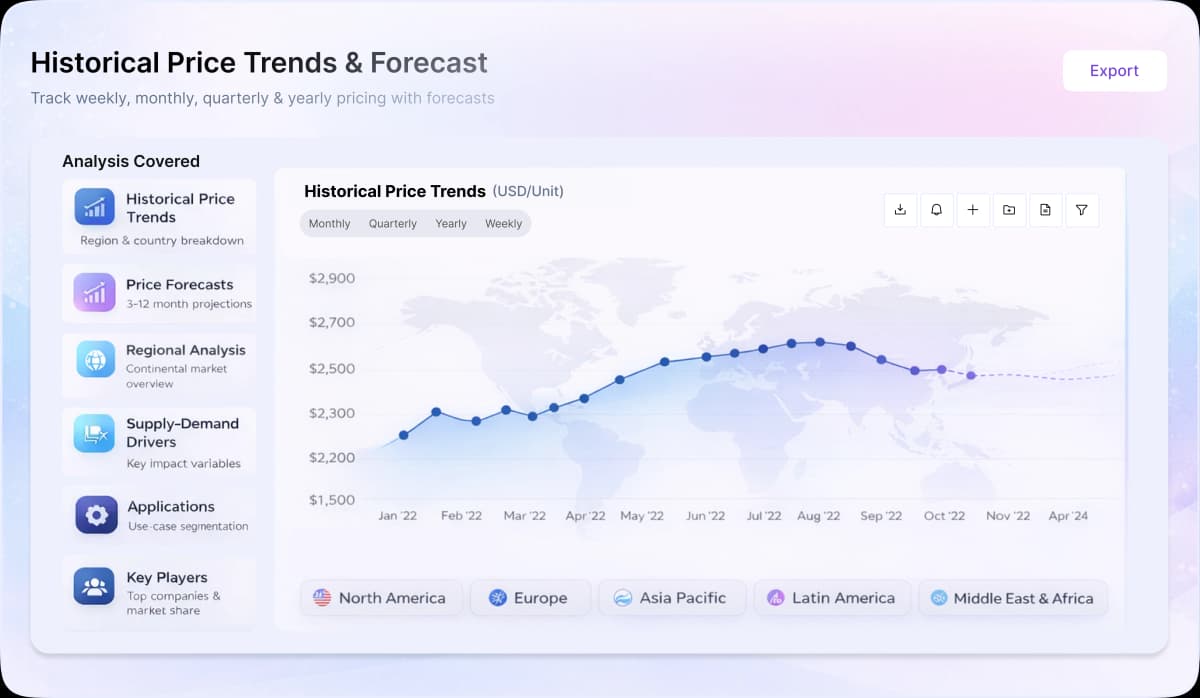
In the second half of 2025, ferrosilicon prices in Europe were volatile and unpredictable. Early in H2, prices fell slightly after the uncertainty around the European Commission’s safeguard measures, as buyers hesitated to make purchases. Traders and steel producers were cautious because the rules for tariffs and quotas were unclear, and many waited to see how the market would adjust.
When the safeguards were announced in November, prices jumped sharply. The new tariff-rate quotas and out-of-quota duties created a floor for imports, giving European producers more control over the market. Some companies expected higher costs, while others delayed buying until they fully understood the new system. The changes led to irregular trading, with materials entering the market in bursts as quotas renewed every three months. Smaller companies felt pressure due to higher costs, while larger producers were better positioned to benefit from the new rules.


Overall, supply remained sufficient, but trading patterns changed, and price volatility increased. Export-oriented suppliers from Norway, Iceland, and other regions adjusted their deliveries to fit the new quota system, affecting availability in the market.
Analyst Insight
According to Procurement Resource, Ferrosilicon prices are expected to stay firm with continued volatility, as the quota system and higher import costs reshaped European trading in early 2026.