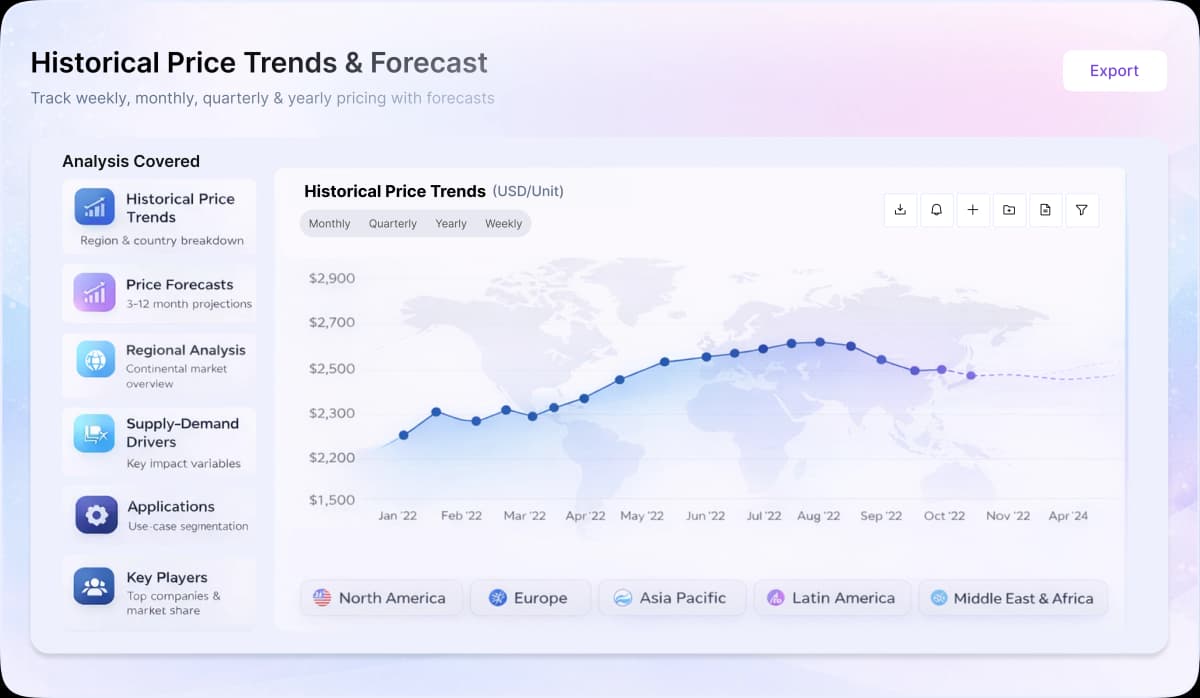
- Garlic powder prices declined through H1 2026, as large Chinese supply, cheaper raw garlic and weaker Middle East demand pushed values steadily lower.
- Fresh garlic and flake costs fell sharply as high carry-in stocks and a larger new crop reached processors, reducing production costs for dehydrators.
- Food processors and seasoning makers bought steadily but cautiously, while Middle East shipping disruptions reduced orders from Gulf importers early in the year.
Garlic powder prices weakened through the first half of 2026. Overall, the market followed a steady downward trend, with only short periods of firmness. In China, the main global supplier, prices held firm in early January as overseas buyers restocked ahead of the Spring Festival, but corrected after the holiday. In the first quarter, the Middle East conflict disrupted shipping lanes and raised freight costs, delaying or cancelling shipments to Gulf countries, with returned cargoes adding to domestic supply. Overseas replenishment orders offered brief support in early April, but new-season garlic from late April lowered raw material costs, pushing flake and powder prices down further. China’s Ministry of Agriculture raised its 2026 crop forecast to 16.45 million tonnes, while cold-store stocks stayed above normal. China’s dried garlic exports were 85,000 tonnes in January to April, nearly unchanged from a year earlier, according to customs data, while export values fell.