

Udeesha Tomar
AVP - Strategy and Solutions
Leading procurement research solutions across chemicals, materials, and food & beverages, with expertise in price forecasting and market analytics.

Asia
During the first quarter of 2025, prices of glycolic acid in Asia trended between stable to lower ranges, in line with the fluctuations in prices of its main feedstock, monochloroacetic acid. Upstream dynamics were largely stable with feedstock availability and production outputs. The absence of significant production disruptions helped keep prices steady. Export flows to regional customers, particularly in Southeast Asia, continued without major hindrance.
However, market sentiment remained cautious due to weak offtake in key industrial segments. The cost relief from upstream feedstocks, combined with subdued demand across several downstream markets, exerted downward pressure on prices during the quarter. Although seasonal factors provided limited short-term support, the broader market trend remained soft, with any gains constrained by surplus supply and modest consumer interest across the region.
Europe
Glycolic acid prices in Europe followed a sustained weakening trend through the first quarter, mainly influenced by declines in upstream market prices. Production operations in the region remained stable, with no major supply-side disruptions. Price movements were restrained due to soft demand from various processing industries. Market participants adopted a cautious approach to inventory management, and downstream activity did not offer much support. Feedstock prices stayed low, and while there was brief optimism for a post-winter rebound, glycolic acid valuations remained subdued. The quarter ended with a supply-heavy environment, limited transaction volumes, and low trade confidence.
North America
In Q1 2025, glycolic acid prices in North America declined in line with trends in Asia and Europe, reflecting a general drop in upstream monochloroacetic acid prices. Local producers maintained steady production volumes, adjusting output in response to sluggish market activity. Feedstock prices, particularly for acetic acid derivatives, softened during the quarter, allowing for more competitive pricing. Despite this, downstream demand remained lackluster. Business sentiment in cosmetics and related industrial sectors stayed cautious. As a result, glycolic acid prices declined steadily through the quarter, driven by weak market fundamentals and reduced upstream support.
Analyst Insight
According to Procurement Resource, the glycolic acid price curve is expected to display similar movements in the near future primarily influenced by the stable demand from cosmetics and specialty chemicals.
Related Report
Need Latest Glycolic Acid Prices?
Get real-time price assessments, periodic trends, forecasts and price driver insights across key global markets.
Our Clients



























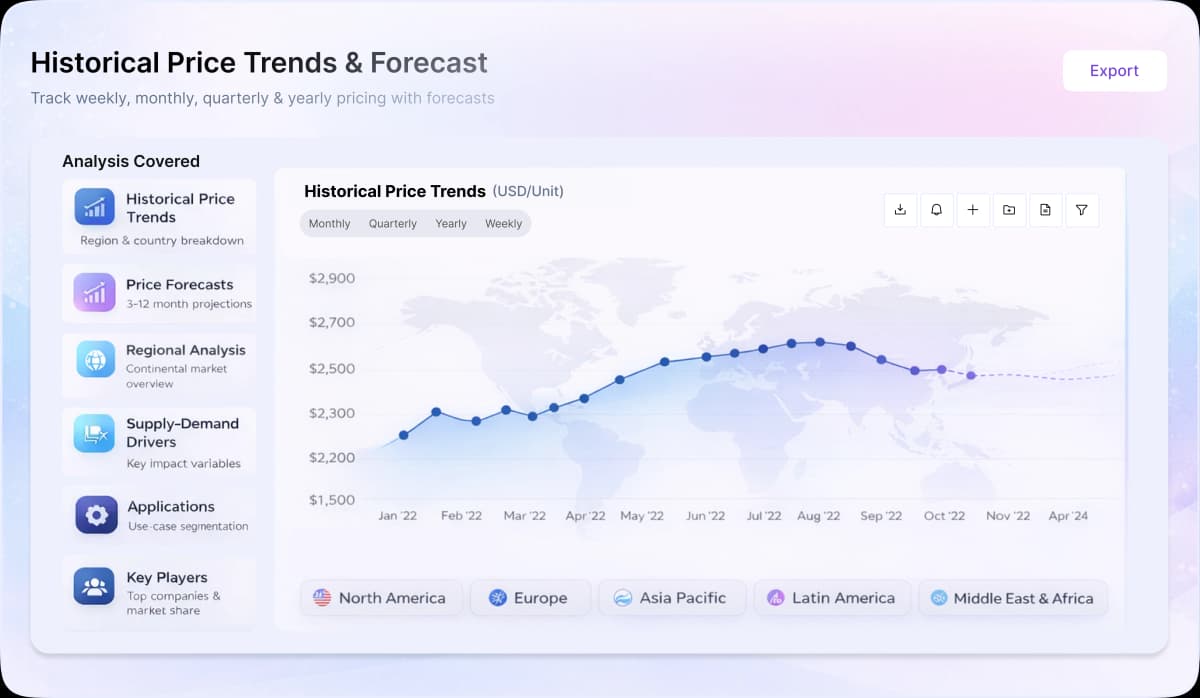
Turn price intelligence into action with the Procurement Resource Database. Log in or subscribe to unlock live price trends, historical charts, supplier databases, cost curves, and analyst-backed insights across chemicals, agriculture, energy, packaging, and more. Use these tools to benchmark your contracts, plan budgets with confidence, and stay ahead of market moves on every product you buy.
0
+Products
0
+Regions
0
+Subscriptions
Glycolic acid is a key industrial chemical widely used in cosmetics, textiles, and biodegradable polymers. Produced primarily from chemical feedstocks like chloroacetic acid or formaldehyde, it also has emerging bio-based routes using sugars or glycerol. Its small molecular size and high solubility make it effective in formulations for cleaning agents, leather processing, and chemical peels. Industrial interest is growing due to its biodegradability and performance, driving research into greener, cost-effective production methods for sustainable manufacturing.
C2H4O3
2-Hydroxyacetic acid, hydroxyacetic acid, Hydroxyethanoic acid
China Petrochemical Corporation (Sinopec Corp.), (China), The Chemours Company (U.S.), CABB Group (Germany), Saanvi Corp (India), Parchem Fine & Specialty Chemicals (U.S.), Water Chemical Co., Ltd (China)
CurrencyUS$ (Data can also be provided in local currency)
Supplier Database AvailabilityYes
Customization ScopeThe report can be customized as per the requirements of the customer
Post-Sale Analyst Support360-degree analyst support after report delivery
Note: Our supplier search experts can assist your procurement teams in compiling and validating a list of suppliers indicating they have products, services, and capabilities that meet your company's needs.
Glycolic acid has diverse industrial applications across multiple sectors. In textiles, it improves dyeing and finishing processes. In metal treatment, it acts as a descaler and rust remover. The oil and gas industry uses it in well stimulation fluids. In leather processing, it aids in tanning and dye penetration. In skincare and cosmetics, it is valued for exfoliation and anti-aging effects. In the pharmaceutical industry, glycolic acid is used in drug formulations and as a monomer in bioresorbable polymers.
Our Price Analysis Methodology
AVP - Strategy and Solutions
Leading procurement research solutions across chemicals, materials, and food & beverages, with expertise in price forecasting and market analytics.
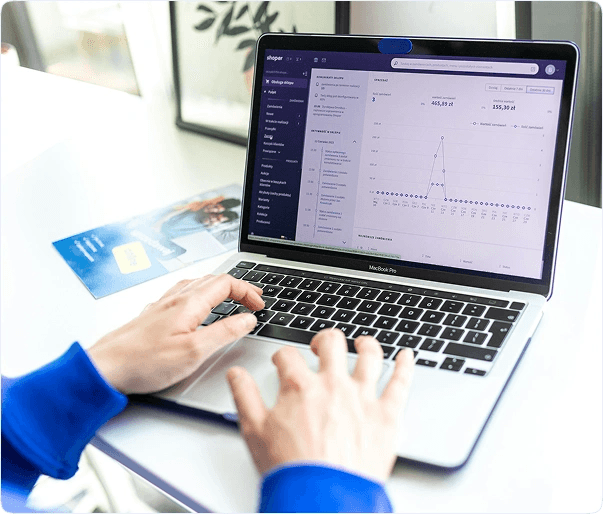
Experience how Procurement Resource transforms raw material price data into clear, decision ready intelligence. Optimise your performance with reliable, expert market data and analysis. Schedule your demo today to experience a live walk-through where our experts will showcase interactive price charts, forecasted prices, and insights driving the prices for your key commodities, tailored to your workflows. Contact us now!
Our Team will be happy to assist you
We are just a text away
Still Need Help?
Unlock full access to Procurement Resource's price databases, interactive charts, and short-term forecasts for thousands of commodities. Elevate your sourcing decisions by comparing prices across regions, downloading historical data, and layering in analyst-backed insights, all with our flexible plans that scale as your portfolio grows.
Still have any Questions
Contact Us



Price Trend Dashboard - What's Included
Price trends across a diverse portfolio of categories and products, spanning board to niche chemicals
Coverage extendable to grade-specific chemicals based on procurement requirements
Regular price tracking supported by robust historical datasets
News, policy updates, and key market drivers impacting price movements
Short-term and long-term price outlooks and forecasts
Supply–demand dynamics and capacity-driven market analysis

Track prices, market movements, supply-demand dynamics, and industry developments across hundreds of commodities through a centralized intelligence platform built for informed procurement decisions.

Understand market fluctuations using analyst-backed forecasts, historical pricing patterns, and evolving industry trends to strengthen sourcing strategies and budget planning.

Leverage cost models, pricing benchmarks, and procurement insights to evaluate purchasing opportunities, improve negotiations, and enhance operational efficiency.
Access region-specific price trends, trade activities, capacity changes, and supply chain developments influencing commodity markets worldwide.