India Bids for Green Methanol Supply
The Indian government has opened bidding for contracts to supply green methanol. This move could boost demand from the public sector, likely supporting upward price pressure or tighter availability.

The Indian government has opened bidding for contracts to supply green methanol. This move could boost demand from the public sector, likely supporting upward price pressure or tighter availability.
Green methanol market conditions strengthened during Q1’26 as global methanol trade flows faced disruption and low-carbon fuel demand continued to expand. India’s National Green Hydrogen Mission emerged as a key driver for green methanol demand, with auctions launched for up to 500,000 tpa of green methanol supply contracts to support green hydrogen blending and decarbonization in fertilizers and refineries, signaling policy led demand growth for low carbon fuels and export oriented volumes. Regional buyers increased procurement activity amid tightening conventional methanol markets, where European spot prices surged ~47 %, and U.S. levels climbed ~18 % due to geopolitical risk and supply reroutes. Mid quarter disruptions around the Strait of Hormuz curtailed roughly 18 % of global methanol capacity flows and raised freight costs, supporting elevated pricing for both conventional and green methanol feedstocks.
Analyst Insight
According to Procurement Resource, near-term green methanol market activity remained supported by ongoing low-carbon fuel investments, expanding project pipelines, and government-backed decarbonization initiatives.
Need latest Green Methanol price?
Get real-time price assessments, periodic trends, forecasts and price driver insights across key global markets.
Unlock Price Insights NowOur Clients































Turn price intelligence into action with the Procurement Resource Database. Log in or subscribe to unlock live price trends, historical charts, supplier databases, cost curves, and analyst-backed insights across chemicals, agriculture, energy, packaging, and more. Use these tools to benchmark your contracts, plan budgets with confidence, and stay ahead of market moves on every product you buy.

0
+Products
0
+Regions
0
+Subscriptions
Green methanol is methanol produced with little to no greenhouse gas emissions by using renewable hydrogen (often from electrolysis powered by renewable electricity) and captured CO2 from biomass or direct air capture. It serves as a low carbon fuel alternative in shipping and as a renewable feedstock in chemicals and fuels production.
CH4O
Methanex, Carbon Recycling International, European Energy, OCI Global, Proman, Enerkem
Green Methanol, Green Methyl Alcohol, Renewable Methanol, Bio Methanol
CurrencyUS$ (Data can also be provided in local currency)
Supplier Database AvailabilityYes
Customization ScopeThe report can be customized as per the requirements of the customer
Post-Sale Analyst Support360-degree analyst support after report delivery
Note: Our supplier search experts can assist your procurement teams in compiling and validating a list of suppliers indicating they have products, services, and capabilities that meet your company's needs.
Green Methanol Production by : reacting renewable hydrogen with captured carbon dioxide, or by converting sustainable biomass and biogas into methanol through gasification or reforming. Renewable electricity powers the hydrogen production step, reducing lifecycle emissions. The final product is chemically identical to conventional methanol but has a lower carbon footprint.
Green methanol is used as a low-carbon fuel in marine transport, road mobility, and power applications. It also serves as a renewable chemical feedstock for producing formaldehyde, acetic acid, olefins, and fuel additives. Its demand is rising in shipping, chemicals, and clean-fuel blending due to lower lifecycle emissions.

AVP - Strategy and Solutions
Leading procurement research solutions across chemicals, materials, and food & beverages, with expertise in price forecasting and market analytics.
Our Price Analysis Methodology
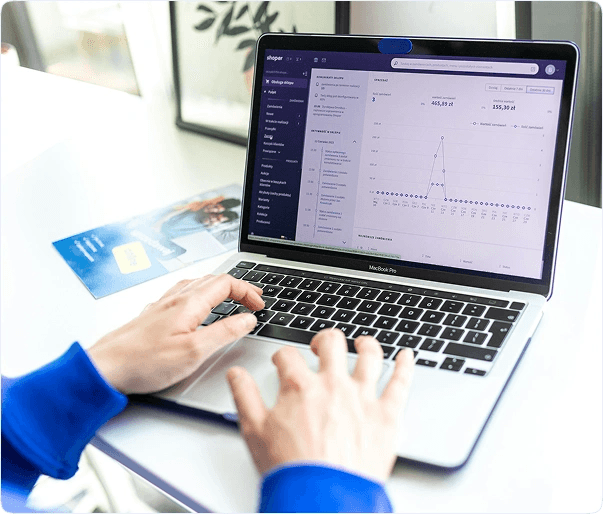
Experience how Procurement Resource transforms raw material price data into clear, decision ready intelligence. Optimise your performance with reliable, expert market data and analysis. Schedule your demo today to experience a live walk-through where our experts will showcase interactive price charts, forecasted prices, and insights driving the prices for your key commodities, tailored to your workflows. Contact us now!
Our Team will be happy to assist you
We are just a text away
Still Need Help?
Unlock full access to Procurement Resource's price databases, interactive charts, and short-term forecasts for thousands of commodities. Elevate your sourcing decisions by comparing prices across regions, downloading historical data, and layering in analyst-backed insights, all with our flexible plans that scale as your portfolio grows.
Still have any Questions
Contact Us



Price Trend Dashboard - What's Included
Price trends across a diverse portfolio of categories and products, spanning board to niche chemicals
Coverage extendable to grade-specific chemicals based on procurement requirements
Regular price tracking supported by robust historical datasets
News, policy updates, and key market drivers impacting price movements
Short-term and long-term price outlooks and forecasts
Supply-demand dynamics and capacity-driven market analysis

Track prices, market movements, supply-demand dynamics, and industry developments across hundreds of commodities through a centralized intelligence platform built for informed procurement decisions.

Understand market fluctuations using analyst-backed forecasts, historical pricing patterns, and evolving industry trends to strengthen sourcing strategies and budget planning.

Leverage cost models, pricing benchmarks, and procurement insights to evaluate purchasing opportunities, improve negotiations, and enhance operational efficiency.
Access region-specific price trends, trade activities, capacity changes, and supply chain developments influencing commodity markets worldwide.
