Halo Butyl Rubber Price Trend Analysis 2026: Market Insights, Supply Demand Analysis, Latest News, Historical Prices & Price Drivers
Halo Butyl Rubber Price Trend H1 2025
Asia
In the first half of 2025, Halo Butyl Rubber (HBR) prices in the Asia-Pacific region showed mixed movement. Early in Q1, prices rose slightly, supported by moderate demand from the automotive and construction sectors. The upstream cost pressure from crude oil and limited feedstock supply, particularly Isobutylene, also contributed to this increase.
However, by March, prices softened due to weak tire and rubber component demand, especially in countries like Thailand where import volumes dropped. In Q2, the market remained relatively stable, with only a minor uptick in prices in April, as demand from the construction sector helped offset slower recovery in the automotive industry. Feedstock supply remained tight, but buying activity was only moderate, which kept prices from rising sharply.
Europe
The European market for Halo Butyl Rubber remained fairly volatile during H1’25. Prices increased at the beginning of Q1 due to high input and freight costs, but by March, they started to stabilize as inventories grew and demand from construction and automotive segments stayed subdued.
Disruptions in March caused by port strikes in key hubs like Rotterdam and Le Havre briefly raised logistical costs. However, these issues began to resolve by April, leading to more consistent supply. Throughout Q2, the market remained stable, as automotive sales improved slightly in Western Europe, offering some support to HBR demand. Despite the cost pressures earlier in the year, limited downstream activity capped further price gains.
North America
In North America, HBR prices experienced minor increases in H1’25, largely driven by a recovery in downstream automotive and construction demand. In Q1, early gains were supported by higher production costs, with feedstock availability and rising energy prices playing a key role.
Although new tariffs added further cost pressure, demand stayed moderate. By April, prices held steady as supply chains normalized and market sentiment balanced. In Q2, stable inventory levels and consistent, though unspectacular, buying interest helped keep pricing in check. The automotive sector, particularly EV production, supported some of the consumption, while construction activity saw modest recovery.
Analyst Insight
According to Procurement Resource, Halo Butyl Rubber prices are expected to remain steady or slightly soften, depending on how quickly demand from automotive and tire sectors picks up across all regions.
Need latest Halo Butyl Rubber prices?
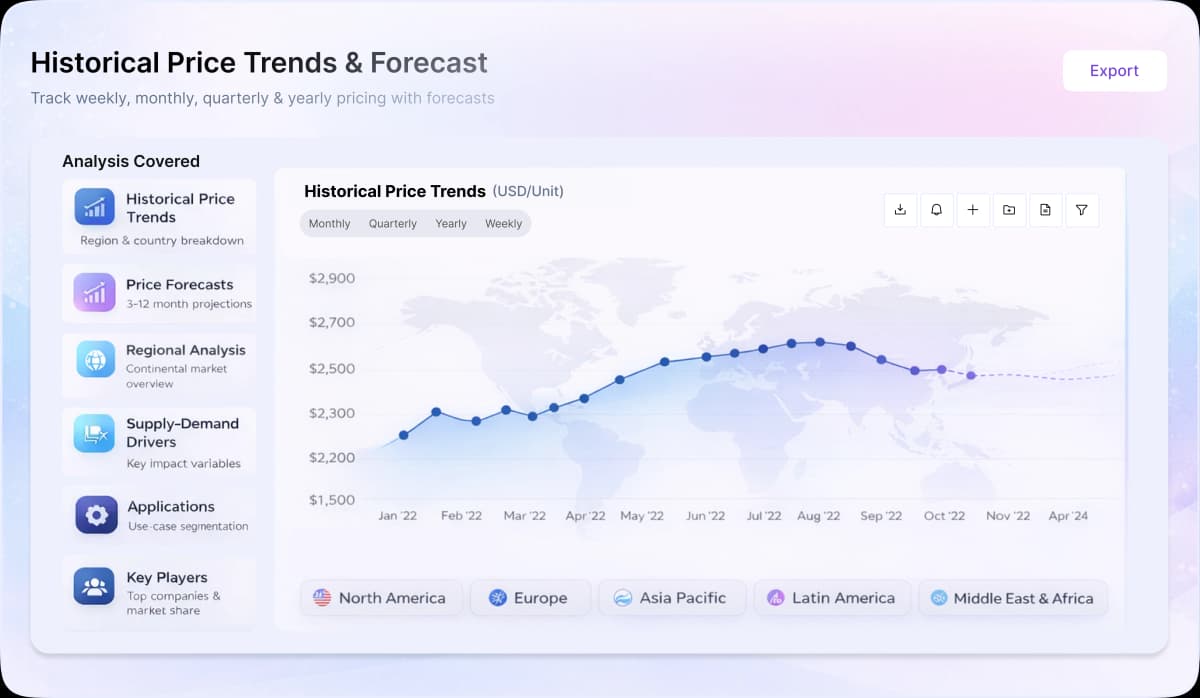
Get real-time price assessments, periodic trends, forecasts and price driver insights across key global markets.
Unlock Price Insights NowOur Clients
Procurement Resource Database

Turn price intelligence into action with the Procurement Resource Database. Log in or subscribe to unlock live price trends, historical charts, supplier databases, cost curves, and analyst-backed insights across chemicals, agriculture, energy, packaging, and more. Use these tools to benchmark your contracts, plan budgets with confidence, and stay ahead of market moves on every product you buy.
Halo Butyl Rubber Dashboard Inclusions

0
+Products
0
+Regions
0
+Subscriptions
Asia
In the first half of 2025, Halo Butyl Rubber (HBR) prices in the Asia-Pacific region showed mixed movement. Early in Q1, prices rose slightly, supported by moderate demand from the automotive and construction sectors. The upstream cost pressure from crude oil and limited feedstock supply, particularly Isobutylene, also contributed to this increase.
However, by March, prices softened due to weak tire and rubber component demand, especially in countries like Thailand where import volumes dropped. In Q2, the market remained relatively stable, with only a minor uptick in prices in April, as demand from the construction sector helped offset slower recovery in the automotive industry. Feedstock supply remained tight, but buying activity was only moderate, which kept prices from rising sharply.
Europe
The European market for Halo Butyl Rubber remained fairly volatile during H1’25. Prices increased at the beginning of Q1 due to high input and freight costs, but by March, they started to stabilize as inventories grew and demand from construction and automotive segments stayed subdued.
Disruptions in March caused by port strikes in key hubs like Rotterdam and Le Havre briefly raised logistical costs. However, these issues began to resolve by April, leading to more consistent supply. Throughout Q2, the market remained stable, as automotive sales improved slightly in Western Europe, offering some support to HBR demand. Despite the cost pressures earlier in the year, limited downstream activity capped further price gains.
North America
In North America, HBR prices experienced minor increases in H1’25, largely driven by a recovery in downstream automotive and construction demand. In Q1, early gains were supported by higher production costs, with feedstock availability and rising energy prices playing a key role.
Although new tariffs added further cost pressure, demand stayed moderate. By April, prices held steady as supply chains normalized and market sentiment balanced. In Q2, stable inventory levels and consistent, though unspectacular, buying interest helped keep pricing in check. The automotive sector, particularly EV production, supported some of the consumption, while construction activity saw modest recovery.

About Halo Butyl Rubber
The synthetic elastomer halo butyl rubber is created by halogenating butyl rubber, usually with chlorine or bromine. It is appropriate for a variety of industrial applications due to its exceptional impermeability to gases, resistance to the elements, and resistance to ozone.
Halo butyl rubber has a low gas permeability, which makes it perfect for applications needing air and gas barriers, such pharmaceutical stoppers and tire inner liners. Due to its ozone and weather resistance, it can be used for outdoor applications such as roofing membranes. Halo butyl rubber is a valuable material in many industries due to these characteristics as well as its flexibility and durability.

Halo Butyl Rubber Product Detail
Lining of tanks and vessels, Electrical Insulation, Sports equipment, Pharmaceutical stoppers, Tire manufacturing, Conveyor belts, Seals and gaskets
XIIR ( X= Br, Cl)
Arlanxeo , JSR Corporation, China Petrochemical Corporation, Sibur International GmbH, Reliance Industries Limited, Exxon Mobole Corporation, Huntsman International LLC, Timco Rubber, SABIC, LANXESS, Lyondell Basell Industries Holdings B.V., INEOS AG, Formosa Plastics Corporation, TPC Group
Regional Coverage
Asia Pacific
Europe
North America
Latin America
Africa
CurrencyUS$ (Data can also be provided in local currency)
Supplier Database AvailabilityYes
Customization ScopeThe report can be customized as per the requirements of the customer
Post-Sale Analyst Support360-degree analyst support after report delivery
Note: Our supplier search experts can assist your procurement teams in compiling and validating a list of suppliers indicating they have products, services, and capabilities that meet your company's needs.

Halo Butyl Rubber Production Processes
In the first step, the cationic copolymerization of isobutylene and isoprene in presence of a Friedel-Craft catalyst at 100°C is used to produce butyl rubber. In the subsequent steps, the butyl rubber is subjected to a solution of elemental chlorine and bromine in hexane media to finally yield halo butyl rubber.
Our Price Analysis Methodology

Schedule A Demo
Experience how Procurement Resource transforms raw material price data into clear, decision ready intelligence. Optimise your performance with reliable, expert market data and analysis. Schedule your demo today to experience a live walk-through where our experts will showcase interactive price charts, forecasted prices, and insights driving the prices for your key commodities, tailored to your workflows. Contact us now!
Our Team will be happy to assist you
We are just a text away
Still Need Help ?
Unlock full access to Procurement Resource's price databases, interactive charts, and short-term forecasts for thousands of commodities. Elevate your sourcing decisions by comparing prices across regions, downloading historical data, and layering in analyst-backed insights, all with our flexible plans that scale as your portfolio grows.
Still have any Questions
Contact Us


Price Trend Dashboard - What's Included
Price trends across a diverse portfolio of categories and products, spanning board to niche chemicals
Coverage extendable to grade-specific chemicals based on procurement requirements
Regular price tracking supported by robust historical datasets
News, policy updates, and key market drivers impacting price movements
Short-term and long-term price outlooks and forecasts
Supply–demand dynamics and capacity-driven market analysis