

Udeesha Tomar
AVP - Strategy and Solutions
Leading procurement research solutions across chemicals, materials, and food & beverages, with expertise in price forecasting and market analytics.

Asia
During the second half of 2025, Heavy Alkyl Benzene (HAB) prices in Asia showed a firm trend. Demand from the detergent and industrial cleaning sectors remained steady, supported by regular consumption of downstream surfactants. Stronger activity in the Linear Alkyl Benzene (LAB) market in countries like China helped improve overall market sentiment, which indirectly supported HAB demand as well. Feedstock benzene prices fluctuated during the period, but periods of firmness added some cost pressure for producers. Buyers mostly followed need-based purchasing, while producers managed supply carefully to avoid inventory buildup. Overall, stable downstream demand and controlled supply helped keep HAB prices supported in the region.
Europe
In Europe, HAB prices remained mostly stable with mild pressure during H2’25. Demand from detergent and specialty chemical applications stayed moderate, as consumer and industrial activity remained subdued. Although feedstock benzene prices moved up and down during the period, weak industrial growth limited producers’ ability to raise offers. Trade challenges and high operating costs continued to affect the wider chemical industry, which kept buying activity cautious. Buyers preferred short-term contracts and avoided bulk purchases. As a result, the HAB market in Europe stayed balanced but lacked strong upward momentum.
North America
In North America, HAB prices followed a stable to firm trend in the second half of 2025. The detergent and household cleaning sectors provided steady demand, supported by regular consumer usage. Feedstock benzene availability remained adequate, though price movements created some cost variations for producers. Buyers remained cautious but continued regular procurement to meet ongoing needs. Supply discipline by manufacturers helped prevent oversupply, keeping the market relatively balanced through H2’25.
Analyst Insight
According to Procurement Resource, HAB prices are expected to remain stable, with market direction depending on detergent demand and feedstock benzene trends across regions.
Need Latest Heavy Alkyl Benzene (HAB) Prices?
Get real-time price assessments, periodic trends, forecasts and price driver insights across key global markets.
Our Clients































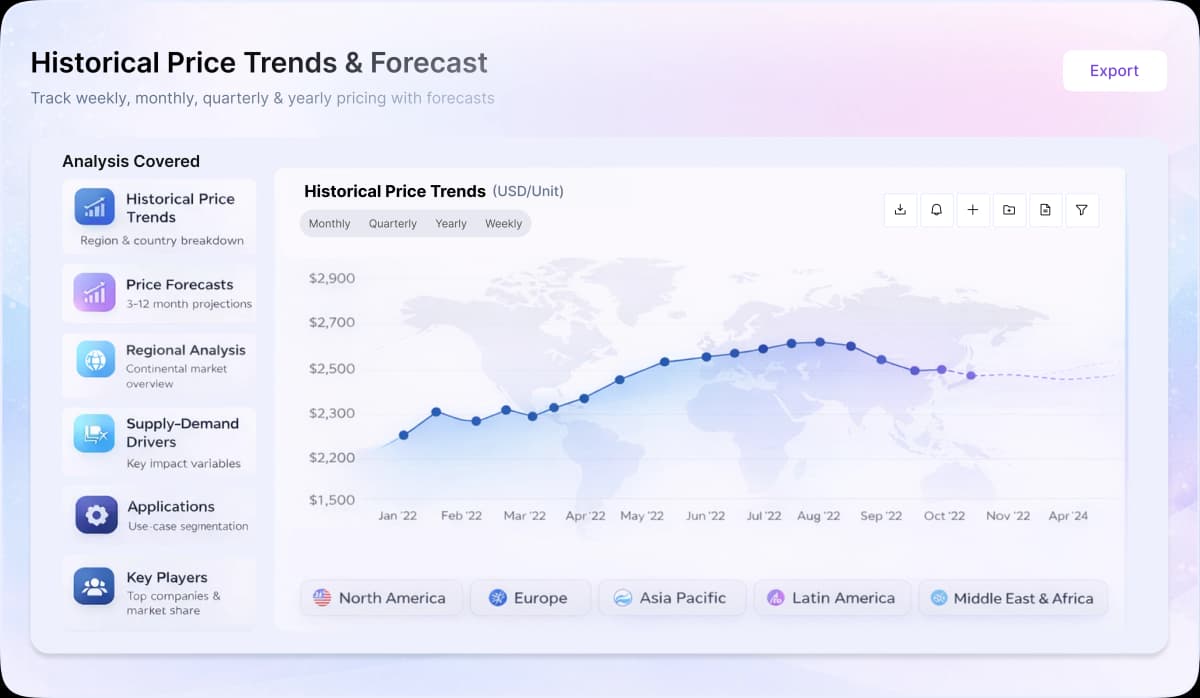
Turn price intelligence into action with the Procurement Resource Database. Log in or subscribe to unlock live price trends, historical charts, supplier databases, cost curves, and analyst-backed insights across chemicals, agriculture, energy, packaging, and more. Use these tools to benchmark your contracts, plan budgets with confidence, and stay ahead of market moves on every product you buy.
0
+Products
0
+Regions
0
+Subscriptions
Asia
In the first half of 2025, Heavy Alkyl Benzene (HAB) prices in Asia followed a largely steady to soft trend. This was mainly driven by the sluggish performance of feedstock markets, especially Linear Alkyl Benzene (LAB), and falling naphtha prices. The Indian market, a major consumer of HAB for industrial cleaners and lubricants, witnessed a mild price correction due to oversupply and cautious buying behaviour.
Refinery turnarounds completed by early Q2 across Asia, including China and South Korea, led to increased availability of raw materials like normal paraffins. This added pressure on pricing as supply comfortably met demand. Though domestic consumption in India improved slightly due to seasonal demand from the cleaning and industrial segments, it was not strong enough to lift prices significantly.
Europe
HAB prices in Europe were influenced by post-winter recovery in detergent and surfactant production. However, rising freight and feedstock costs, especially for LAB and sulfuric acid, kept production expenses elevated. While industrial demand picked up in Q2, it wasn't robust enough to offset the impact of high input costs and continued logistical bottlenecks. The market remained tight on the supply side, but pricing didn’t firm up much due to cautious downstream buying. Economic uncertainty and subdued consumer sentiment added to price resistance.
North America
In the U.S., HAB pricing showed mild recovery after a slow start to the year, as warmer weather revived industrial and commercial cleaning activities. Still, price movements remained range-bound due to ample inventory and delayed restocking by buyers. Rising costs of feedstocks like LAB and naphtha did push up cost pressures temporarily, but actual transaction levels stayed muted as demand normalized.
Heavy Alkyl Benzene (HAB) is a byproduct formed during the production process of linear alkyl benzene (LAB). It’s a clear and limpid noncorrosive liquid. It is used as heat transfer oil and lubricating greases. Heavy Alkyl Benzene is the primary raw material for lubricants, metal surface treatment products, including galvanic and electroplating products.
Heat transfer oil, Lubricating greases, Refrigeration and compressor oils, Metal forming lubricants / metal working fluids, Lubricant component, Dielectric oils, Fat liquoring oils for the leather industry, Plasticisers and extenders, Hydraulic fluids
Heavy alkylates, HAB, Heavy linear alkyl benzene, 85117-41-5
Egyptian Linear Alkyl Benzene Co. (ELAB), Asia Petrochemicals LLC, Cepsa
CurrencyUS$ (Data can also be provided in local currency)
Supplier Database AvailabilityYes
Customization ScopeThe report can be customized as per the requirements of the customer
Post-Sale Analyst Support360-degree analyst support after report delivery
Note: Our supplier search experts can assist your procurement teams in compiling and validating a list of suppliers indicating they have products, services, and capabilities that meet your company's needs.
The UOP (Universal Oil Products) process involves pre-fraction, hydro-treating, extraction, dehydrogenation, and alkylation to produce linear alkyl benzene, where Heavy Alkyl Benzene is formed as a byproduct.
Our Price Analysis Methodology
AVP - Strategy and Solutions
Leading procurement research solutions across chemicals, materials, and food & beverages, with expertise in price forecasting and market analytics.
Experience how Procurement Resource transforms raw material price data into clear, decision ready intelligence. Optimise your performance with reliable, expert market data and analysis. Schedule your demo today to experience a live walk-through where our experts will showcase interactive price charts, forecasted prices, and insights driving the prices for your key commodities, tailored to your workflows. Contact us now!
Our Team will be happy to assist you
We are just a text away
Still Need Help?
Unlock full access to Procurement Resource's price databases, interactive charts, and short-term forecasts for thousands of commodities. Elevate your sourcing decisions by comparing prices across regions, downloading historical data, and layering in analyst-backed insights, all with our flexible plans that scale as your portfolio grows.
Still have any Questions
Contact Us



Price Trend Dashboard - What's Included
Price trends across a diverse portfolio of categories and products, spanning board to niche chemicals
Coverage extendable to grade-specific chemicals based on procurement requirements
Regular price tracking supported by robust historical datasets
News, policy updates, and key market drivers impacting price movements
Short-term and long-term price outlooks and forecasts
Supply–demand dynamics and capacity-driven market analysis

Track prices, market movements, supply-demand dynamics, and industry developments across hundreds of commodities through a centralized intelligence platform built for informed procurement decisions.

Understand market fluctuations using analyst-backed forecasts, historical pricing patterns, and evolving industry trends to strengthen sourcing strategies and budget planning.

Leverage cost models, pricing benchmarks, and procurement insights to evaluate purchasing opportunities, improve negotiations, and enhance operational efficiency.
Access region-specific price trends, trade activities, capacity changes, and supply chain developments influencing commodity markets worldwide.