

Udeesha Tomar
AVP - Strategy and Solutions
Leading procurement research solutions across chemicals, materials, and food & beverages, with expertise in price forecasting and market analytics.

During the fourth quarter of 2025, homopolymer prices followed a weak trend in the global market. Demand remained low as buyers stayed cautious and avoided building inventories. Many downstream industries such as packaging, consumer goods, and automotive showed limited activity, which reduced overall consumption of homopolymer materials.
Supply conditions stayed comfortable throughout the quarter. Producers continued operating at steady rates. Recyclers lowered prices to move material, which added pressure on virgin homopolymer demand. In several cases, converters delayed purchases or shifted toward recycled options where possible, further weakening market sentiment.
Market participants also faced uncertainty due to policy changes and expectations of higher supply in the coming months. This reduced buyer confidence and encouraged a wait-and-see approach. Trading activity remained slow, and sellers adjusted offers to stimulate sales and manage inventories. High operating costs and limited order flow made it difficult for producers to support prices during the quarter.
Analyst Insight
According to Procurement Resource, Homopolymer prices are expected to remain stable to soft in the coming months unless demand shows a clear recovery or supply tightens.
Need Latest Homopolymer Prices?
Get real-time price assessments, periodic trends, forecasts and price driver insights across key global markets.
Our Clients































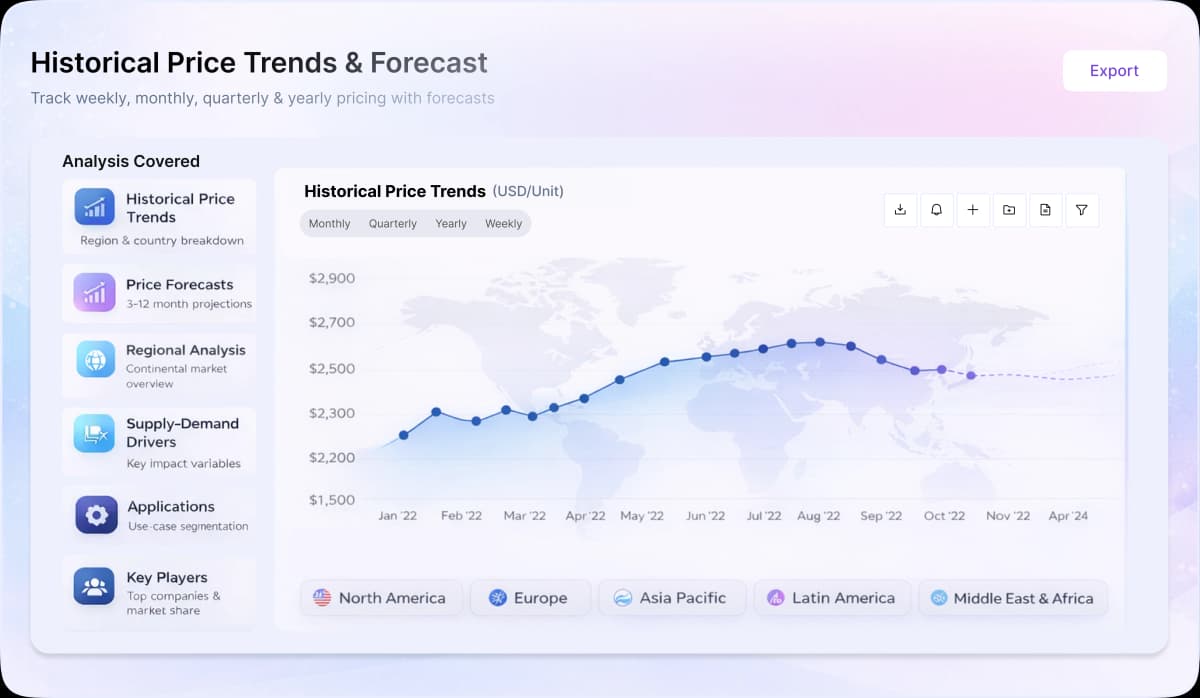
Turn price intelligence into action with the Procurement Resource Database. Log in or subscribe to unlock live price trends, historical charts, supplier databases, cost curves, and analyst-backed insights across chemicals, agriculture, energy, packaging, and more. Use these tools to benchmark your contracts, plan budgets with confidence, and stay ahead of market moves on every product you buy.
0
+Products
0
+Regions
0
+Subscriptions
During the said quarter, the global homopolymer markets were under pressure. The demand was sluggish especially in sectors like packaging, automotive, and consumer goods. Many buyers restrained orders due to uncertainty over feedstock costs and weak downstream activity. In Asia and the Middle East, producers continued to benefit from lower feedstock costs and strong export competitiveness, putting downward pressure on prices in many importing regions.
In regions highly dependent on imports, increased import volumes from low cost producers in the Middle East and Asia amplified competition. This import pressure limited local producers’ ability to lift prices. Meanwhile, in domestic markets in Asia prices were more stable or mildly soft, supported by strong local consumption and less exposure to long haul import competition.
Throughout the summer months, spot trading was muted globally partially due to seasonality and slowing industrial activity. In many markets, spot offers showed small declines. Contract or long term supply agreements generally held steady or eased modestly, reflecting weak buying sentiment. Any upward tick in spot offers late in the quarter was mainly due to anticipated restocking.
Overall, Q3’25 saw a gentle sliding of homopolymer prices at the global level, with downward pressure more evident in import exposed markets than in self consuming ones.
A homopolymer is a kind of polymer made up of reoccurring monomer units of a single type. All of the monomer units that make up the polymer chain in a homopolymer are the same. As a result, a polymer is produced that has a consistent chemical structure and a monomer unit that repeats itself along the whole polymer chain. Due to their adaptability and simplicity of processing, homopolymers are utilized in a variety of industrial applications and can have a wide range of properties depending on the particular monomer used.
Packaging, Consumer goods, Textiles, Construction, Films and sheets, Pharmaceutical Industry
BASF, Kaneka, Hanwha, Bo Fan New Material, LyondellBasell, Emco Industrial Plastics, Reliance Industries Limited
CurrencyUS$ (Data can also be provided in local currency)
Supplier Database AvailabilityYes
Customization ScopeThe report can be customized as per the requirements of the customer
Post-Sale Analyst Support360-degree analyst support after report delivery
Note: Our supplier search experts can assist your procurement teams in compiling and validating a list of suppliers indicating they have products, services, and capabilities that meet your company's needs.
Our Price Analysis Methodology
AVP - Strategy and Solutions
Leading procurement research solutions across chemicals, materials, and food & beverages, with expertise in price forecasting and market analytics.
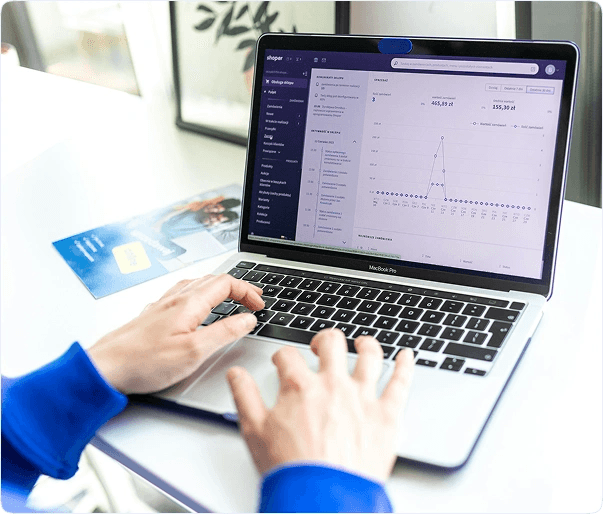
Experience how Procurement Resource transforms raw material price data into clear, decision ready intelligence. Optimise your performance with reliable, expert market data and analysis. Schedule your demo today to experience a live walk-through where our experts will showcase interactive price charts, forecasted prices, and insights driving the prices for your key commodities, tailored to your workflows. Contact us now!
Our Team will be happy to assist you
We are just a text away
Still Need Help?
Europe & Africa
+44 7573 171117
Sales@procurementresource.com
USA & Canada
+1 307 363 1045
Sales@procurementresource.com
APAC
+91 8850629517
Sales@procurementresource.com
Unlock full access to Procurement Resource's price databases, interactive charts, and short-term forecasts for thousands of commodities. Elevate your sourcing decisions by comparing prices across regions, downloading historical data, and layering in analyst-backed insights, all with our flexible plans that scale as your portfolio grows.
Still have any Questions
Contact Us



Price Trend Dashboard - What's Included
Price trends across a diverse portfolio of categories and products, spanning board to niche chemicals
Coverage extendable to grade-specific chemicals based on procurement requirements
Regular price tracking supported by robust historical datasets
News, policy updates, and key market drivers impacting price movements
Short-term and long-term price outlooks and forecasts
Supply–demand dynamics and capacity-driven market analysis

Track prices, market movements, supply-demand dynamics, and industry developments across hundreds of commodities through a centralized intelligence platform built for informed procurement decisions.

Understand market fluctuations using analyst-backed forecasts, historical pricing patterns, and evolving industry trends to strengthen sourcing strategies and budget planning.

Leverage cost models, pricing benchmarks, and procurement insights to evaluate purchasing opportunities, improve negotiations, and enhance operational efficiency.
Access region-specific price trends, trade activities, capacity changes, and supply chain developments influencing commodity markets worldwide.