Asia
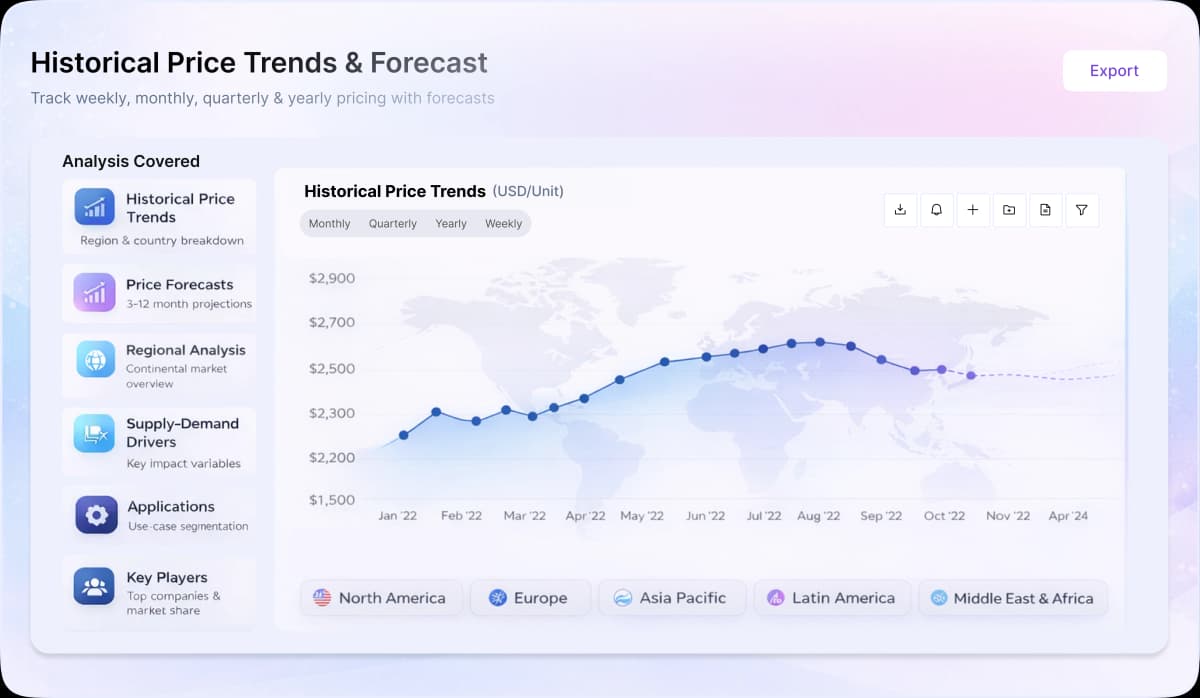
In Asia, hydroquinone prices showed a general upward trend during the third quarter. Supply constraints caused by refinery production cuts and maintenance slowed down raw material availability, pushing costs higher. Logistics challenges, including shipping delays and increased transportation costs, added pressure on supply chains.
Although demand from industries like cosmetics and pharmaceuticals remained strong, some buyers became cautious due to uncertainties around supply and pricing. Raw material costs, especially for feedstocks used in hydroquinone production, also influenced price movements. Overall, the market was tight, with buyers adjusting their purchasing patterns to manage potential delays and higher costs.
Europe
In Europe, hydroquinone prices rose during Q3, driven by a combination of factors. Several major production plants underwent scheduled maintenance, reducing output temporarily and tightening supply. Rising energy expenses, partly due to stricter environmental regulations, increased manufacturing costs, which in turn impacted prices.
The weak euro compared to the US dollar added to export cost volatility. Shipping disruptions and labor shortages at key ports further slowed deliveries and raised transportation expenses. Despite these challenges, demand from cosmetic and specialty chemical sectors remained firm, keeping price pressure steady.
North America
In North America, hydroquinone prices climbed steadily over the quarter. Strong demand from the cosmetic industry, supported price increases. Additionally, concerns about tighter regulatory controls encouraged some buyers to stockpile, contributing to higher short-term demand. Although manufacturing activity improved slightly, supply remained constrained by upstream raw material availability and logistical hurdles. Buyers generally preferred shorter-term contracts while waiting for clearer market signals. The balance of steady demand and limited supply kept prices elevated through Q3.