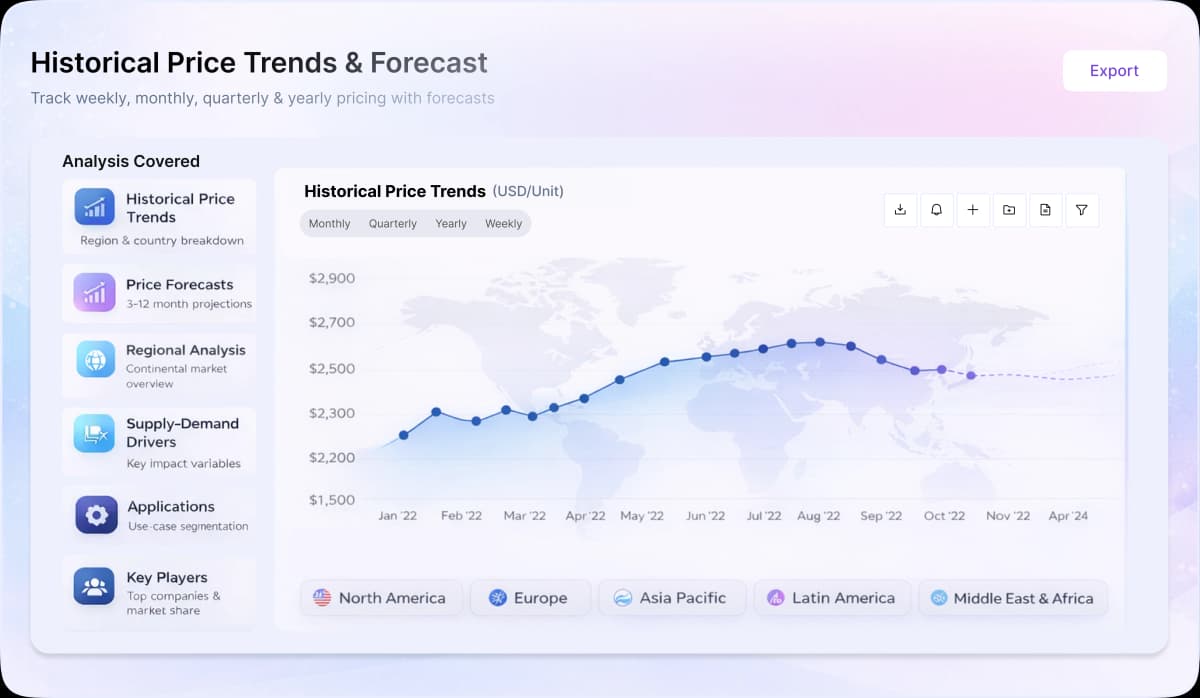
During the said period, the hydroxylamine market in Asia experienced notable tribulations. The Indian market was still relatively stable; however, the Chinese market was witnessing a steady depreciation as the domestic demands were sub-satisfactory during the holiday seasons in the early months. Peak winter months also kept the demands from the agricultural sector under check.
This situation led to decreased activity among hydroxylamine suppliers, influenced by the lower international demands. In India, the markets are more reliant on domestic consumption. Therefore, the suppliers were cautious with bulk purchases gauging the consumer sentiments. Therefore, the inventory pressure was manageable in the country. The rising upstream costs with upticks in crude oil costs also provided some valuable cost support.
In Europe, the hydroxylamine market was constrained by tepid downstream demand and persistent domestic market pressures. Challenges in international trade, exacerbated by logistical issues in shipping and heightened by regional armed conflicts and pirate attacks in the Red Sea and Indian Ocean, led to overstocked inventories and placed downward pressure on hydroxylamine prices. During this period, the European market's inability to maneuver due to these compounded pressures resulted in an almost stagnant pricing trend for hydroxylamine.