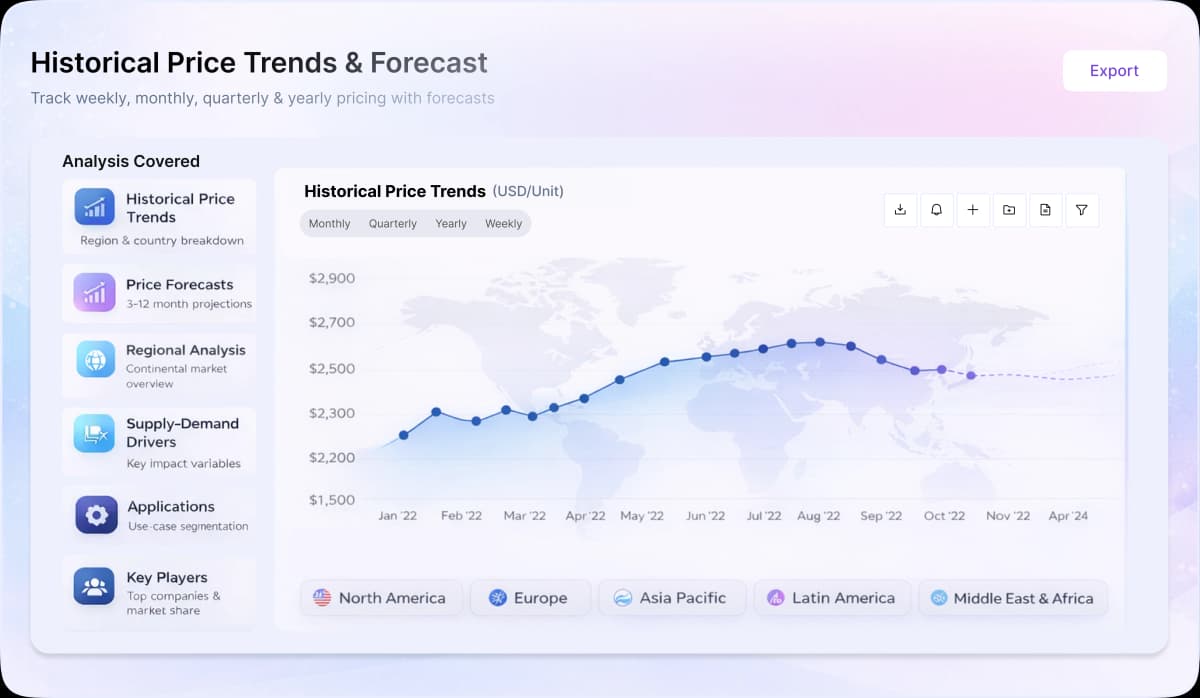
The fourth quarter of 2025 witnessed mixed movements in the Iodized Salt market, with pricing influenced by both seasonal demand patterns and regulatory interventions. In the Philippines, the government implemented a sixty-day price freeze on basic necessities, including Iodized Salt, following the declaration of a national state of calamity due to severe typhoon damage in early November. This freeze locked prices at prevailing levels, preventing any upward adjustments despite ongoing supply chain disruptions and increased distribution costs caused by the natural disasters.
The winter season created heightened demand for industrial salt products, particularly road salt, which competed for production capacity at major mining facilities. This seasonal shift redirected some manufacturing resources away from food-grade salt processing toward meeting urgent winter weather demands. However, the regulatory environment in key markets prevented these supply pressures from translating into immediate consumer price increases for iodised table salt.
Supply chain challenges persisted throughout the quarter as typhoon-affected regions struggled with damaged transportation infrastructure and distribution networks. Manufacturers worked closely with retailers to maintain adequate stock levels of basic goods, including Iodized Salt, though logistical costs climbed substantially. The price freeze mechanism protected consumers from these increased operational expenses, with producers and distributors absorbing the additional costs temporarily.