

Udeesha Tomar
AVP - Strategy and Solutions
Leading procurement research solutions across chemicals, materials, and food & beverages, with expertise in price forecasting and market analytics.

Asia
In Q4’25, the Isobutyric acid market in Asia mostly saw lower prices. After the holiday period, demand was weak, as many buyers focused on using previously purchased stocks and only ordered what was immediately needed. Supply remained adequate, which put pressure on the market. Early in December, some producers reduced production slightly, which helped support prices temporarily. However, by mid-December, demand continued to be soft, and prices gradually moved down. Trading activity was generally slow, and the market mood was cautious.
Europe
In Europe, prices of Isobutyric acid were relatively stable, but with a slight downward trend over the quarter. Industrial buyers were careful and preferred small orders. Supply remained steady, with producers maintaining production to prevent oversupply. Raw material costs were mostly stable, so they provided little push to prices. Market activity was moderate, and negotiations generally focused on the lower side of price ranges. Overall, the European market remained balanced but lacked strong momentum.
North America
In North America, the Isobutyric acid market also stayed fairly stable during Q4’25. Demand was moderate, with most buyers ordering only what they immediately needed. Supply and inventories were well-managed, keeping the market in balance. At the start of December, prices showed minor gains when production tightened slightly, but weak demand in the following weeks kept prices steady. Trading volumes were limited, and buyers remained cautious.
Analyst Insight
According to Procurement Resource, Isobutyric acid prices are expected to stay mostly stable, with small fluctuations depending on changes in supply and short-term demand.
Related Report
Need Latest Isobutyric acid Prices?
Get real-time price assessments, periodic trends, forecasts and price driver insights across key global markets.
Our Clients































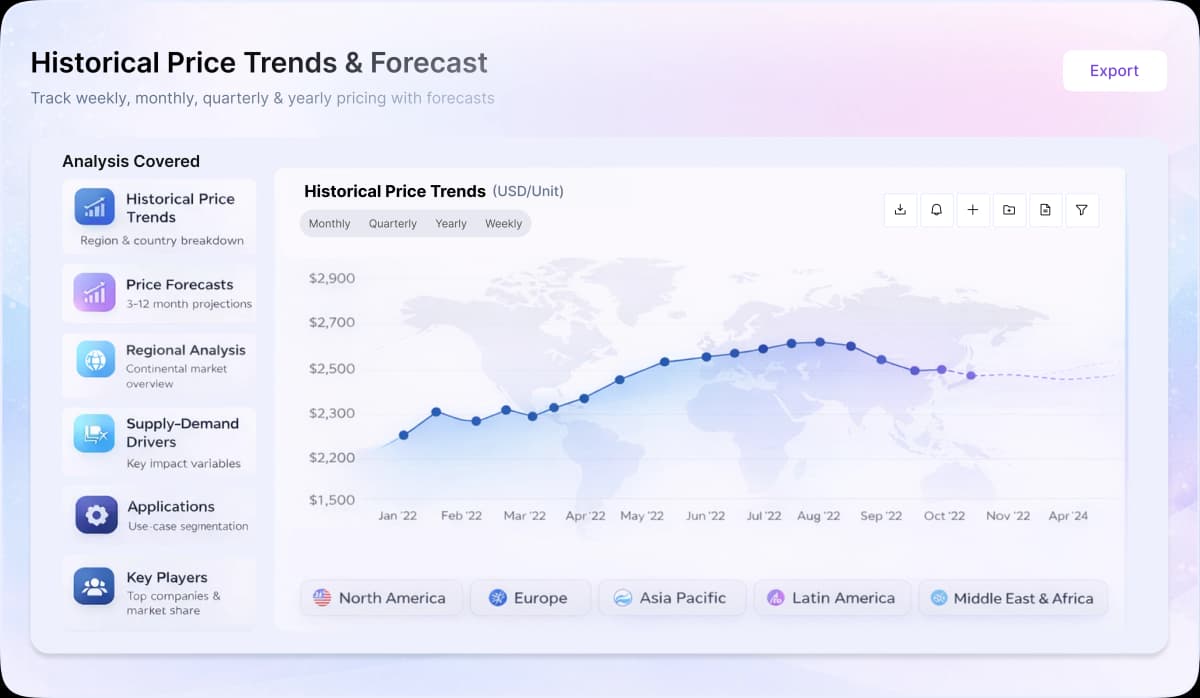
Turn price intelligence into action with the Procurement Resource Database. Log in or subscribe to unlock live price trends, historical charts, supplier databases, cost curves, and analyst-backed insights across chemicals, agriculture, energy, packaging, and more. Use these tools to benchmark your contracts, plan budgets with confidence, and stay ahead of market moves on every product you buy.
0
+Products
0
+Regions
0
+Subscriptions
Asia
During Q3’25, isobutyric acid prices in Asia showed a slightly firm trend, driven mainly by changes in the upstream isobutyraldehyde and propylene markets. The shutdown of key PDH plants in China, especially Tianjin and Quanzhou, caused a drop in the availability of propylene a crucial feedstock for isobutyraldehyde, which in turn affected isobutyric acid market.
Despite weak demand in the downstream chemical and plastic sectors, the supply limitations supported prices for much of the quarter. However, the overall buying interest stayed cautious due to sluggish activity in industries like coatings and resins, keeping the market from experiencing any sharp price spikes.
Europe
In Europe, isobutyric acid prices remained mostly flat to slightly weak over the quarter. Feedstock propylene was in good supply, and production of isobutyraldehyde remained stable as cracker operations continued without major disruptions. However, demand from end-use sectors such as solvents, pharmaceuticals, and chemical intermediates was not strong enough to create any price momentum.
The market was also influenced by steady imports, including some inflows from Asia, which kept supply levels comfortable. Overall, with weak consumption and balanced supply, the market maintained a soft undertone throughout the quarter.
North America
In North America, isobutyric acid prices stayed under pressure during Q3. The region experienced high availability of upstream feedstocks, especially propylene, as refinery and gas plant activity remained strong. This led to stable to lower production costs for isobutyraldehyde and, by extension, isobutyric acid.
However, demand from downstream sectors such as coatings, plastics, and additives stayed muted, with buyers sticking to minimal purchasing patterns. Additionally, limited export movement and weak international interest kept domestic supply levels high, which further contributed to the downward price trend.
Isobutyric Acid, also known as 2-methylpropanoic acid, is a carboxylic acid with the chemical formula CH3CH(CH3)COOH. It is a colorless, volatile liquid with a pungent odor resembling sweaty socks or rancid butter. As a branched-chain fatty acid and isomer of butyric acid, Iso Butyric Acid exhibits distinct properties.
It has a boiling point around 154-155°C (309-311°F) and a density of approximately 0.97 g/cm³. It is weakly acidic and can react with bases to form isobutyrates. Found in nature as a product of certain bacterial metabolism, Iso Butyric Acid finds applications in the flavor and fragrance industry, pharmaceuticals, agricultural chemicals, and other industrial sectors.
C4H8O2
Flavor and fragrance industry, Plastics and polymer synthesis, Solvent, Pharmaceutical
2-methylpropanoic acid, Isobutanoic acid
Beijing Humaoyuan Fragrance Flavour Co. Ltd. Inc, Perstop Holding AB, OXEA GmbH, Blue Marble Biomaterials, Tokyo Chemical Industry Co Ltd, Snowco Industrial Co Ltd, Eastman Chemical Company
CurrencyUS$ (Data can also be provided in local currency)
Supplier Database AvailabilityYes
Customization ScopeThe report can be customized as per the requirements of the customer
Post-Sale Analyst Support360-degree analyst support after report delivery
Note: Our supplier search experts can assist your procurement teams in compiling and validating a list of suppliers indicating they have products, services, and capabilities that meet your company's needs.
Iso butyraldehyde is oxidized with an oxidizing agent at a precise, regulated temperature to produce Iso Butyric Acid as the end product, along with a few byproducts. To ensure a high-quality yield of the commercial chemical, it is also necessary to use a catalyst while maintaining a specific temperature and pressure.
Our Price Analysis Methodology
AVP - Strategy and Solutions
Leading procurement research solutions across chemicals, materials, and food & beverages, with expertise in price forecasting and market analytics.
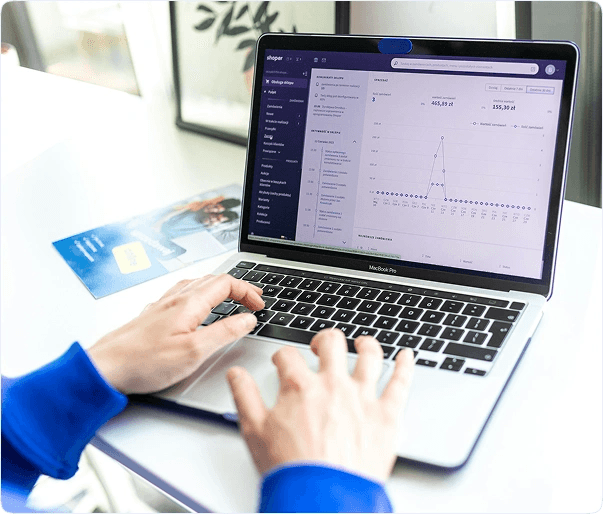
Experience how Procurement Resource transforms raw material price data into clear, decision ready intelligence. Optimise your performance with reliable, expert market data and analysis. Schedule your demo today to experience a live walk-through where our experts will showcase interactive price charts, forecasted prices, and insights driving the prices for your key commodities, tailored to your workflows. Contact us now!
Our Team will be happy to assist you
We are just a text away
Still Need Help?
Unlock full access to Procurement Resource's price databases, interactive charts, and short-term forecasts for thousands of commodities. Elevate your sourcing decisions by comparing prices across regions, downloading historical data, and layering in analyst-backed insights, all with our flexible plans that scale as your portfolio grows.
Still have any Questions
Contact Us



Price Trend Dashboard - What's Included
Price trends across a diverse portfolio of categories and products, spanning board to niche chemicals
Coverage extendable to grade-specific chemicals based on procurement requirements
Regular price tracking supported by robust historical datasets
News, policy updates, and key market drivers impacting price movements
Short-term and long-term price outlooks and forecasts
Supply–demand dynamics and capacity-driven market analysis

Track prices, market movements, supply-demand dynamics, and industry developments across hundreds of commodities through a centralized intelligence platform built for informed procurement decisions.

Understand market fluctuations using analyst-backed forecasts, historical pricing patterns, and evolving industry trends to strengthen sourcing strategies and budget planning.

Leverage cost models, pricing benchmarks, and procurement insights to evaluate purchasing opportunities, improve negotiations, and enhance operational efficiency.
Access region-specific price trends, trade activities, capacity changes, and supply chain developments influencing commodity markets worldwide.