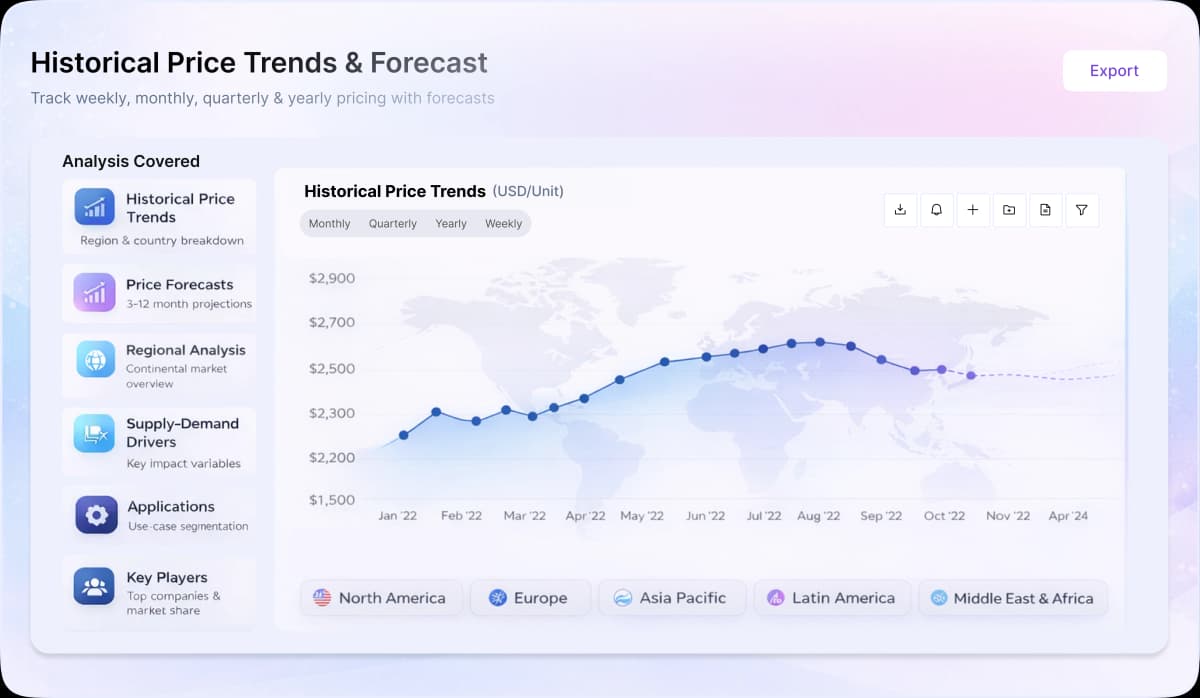
- Isopropanol prices showed a volatile-to-firm trend in Q1 2026, with Asia reacting fastest to feedstock movements and Europe and North America firming mainly through logistics and replacement-cost pressure.
- Feedstock pressure came from propylene and acetone, both of which were affected by crude-linked volatility after the Iran war disrupted chemical and shipping flows through the Strait of Hormuz.
- Downstream demand from pharmaceuticals, disinfectants, personal care, coatings, electronics cleaning, and printing inks stayed need-based, limiting demand-led price spikes.
In Q1 2026, isopropanol markets strengthened as feedstock and freight risks became the main price drivers. Asia saw the sharpest volatility because propylene and acetone costs moved higher after Middle East tensions affected crude-linked chemical markets, while downstream buyers remained cautious at higher levels. Europe also turned firmer as chemical buyers delayed decisions after March 2 and import costs rose due to slower shipping activity and higher route risk. North America stayed comparatively balanced because local chemical supply was stronger, but trade sentiment still tightened as transactions from Asia and the Middle East to the Americas slowed. The wider petrochemical disruption mattered because affected Middle East facilities represented 32.0% of the region’s olefin supply, keeping propylene-related markets cautious. US Gulf Coast logistics helped limit shortage risk, with chemical container exports rising 12.0% in March and 20.0% surge capacity available.
Analyst Insight
According to Procurement Resource, in the near-term, isopropanol prices may remain firm if propylene, acetone, and freight risks continue.