- LFP cathode prices moved upward in Q1’26 as battery material producers faced tight supply and stronger contract negotiations across major regions.
- Feedstock pressure came from higher lithium carbonate costs, limited expandable capacity, and logistics risks linked to the Strait of Hormuz disruption.
- Downstream demand was supported by EV and energy storage battery production, with LFP adoption rising across China, Europe, and North America.
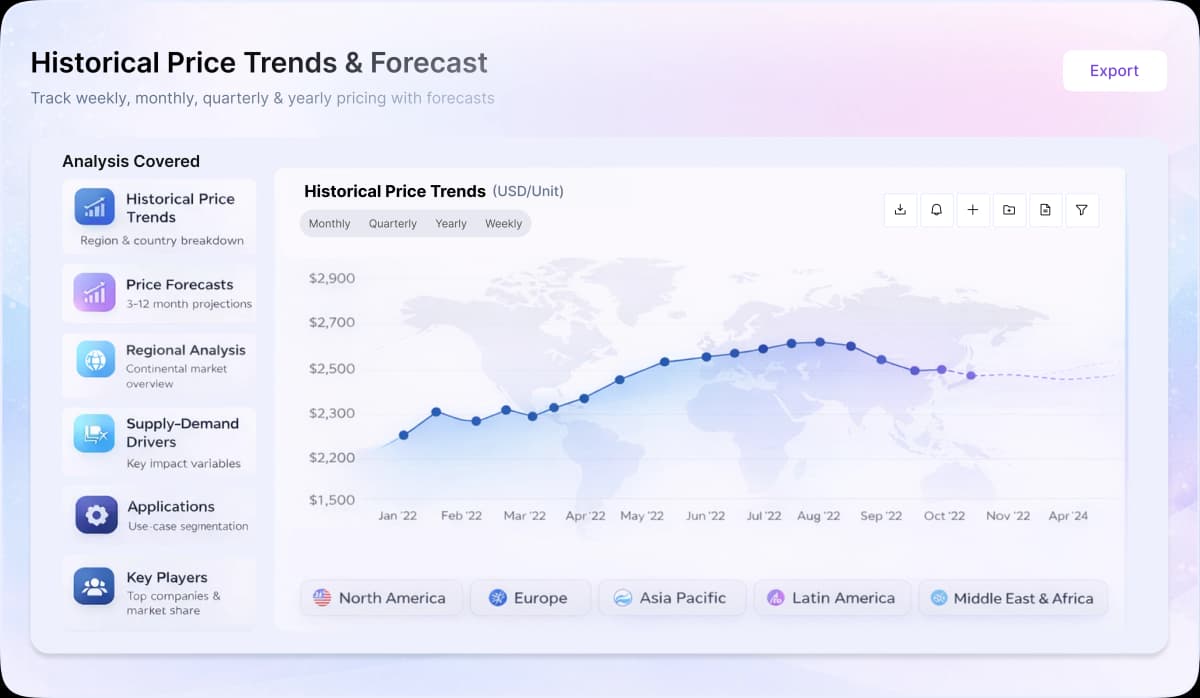
Lithium Iron Phosphate (LFP) cathode prices increased during Q1’26, mainly due to tight supply, higher feedstock costs, and stronger demand from battery manufacturers. In Asia, Chinese LFP producers raised processing fees from January as lithium carbonate costs increased and effective capacity utilization moved above ~95%, leaving limited room for supply expansions. This supported firmer negotiations across cathode material contracts. In Europe, demand was supported by rising LFP adoption in EV batteries and energy storage systems, as buyers continued to diversify battery supply chains. Global LFP cathode material deployment reached around 94,000 tons in January 2026, up ~18.4% year-on-year, confirming stronger downstream consumption. North America also saw firmer sentiment as battery makers secured long-term LFP cathode supply for energy storage production. Overall, a positive global sentiment was witnessed for the LFP cathode throughout Q1’26.
Analyst Insight
According to Procurement Resource, LFP cathode prices may remain firm in the near term if lithium carbonate costs and capacity tightness persist. Any easing in feedstock availability could limit further gains.