Lithium Price Trend Analysis 2026: Market Insights, Price Drivers, Latest News, Supply Demand Analysis & Historical Prices

Rakesh Nandi profile photo
Written ByRakesh Nandi

Procurement Resource Database

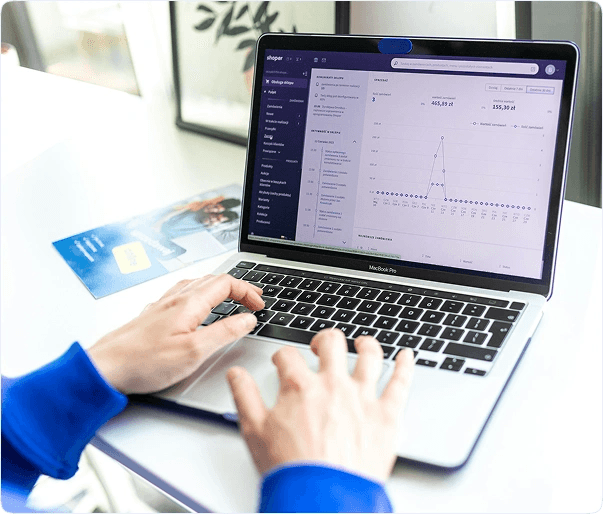
Laptop screen

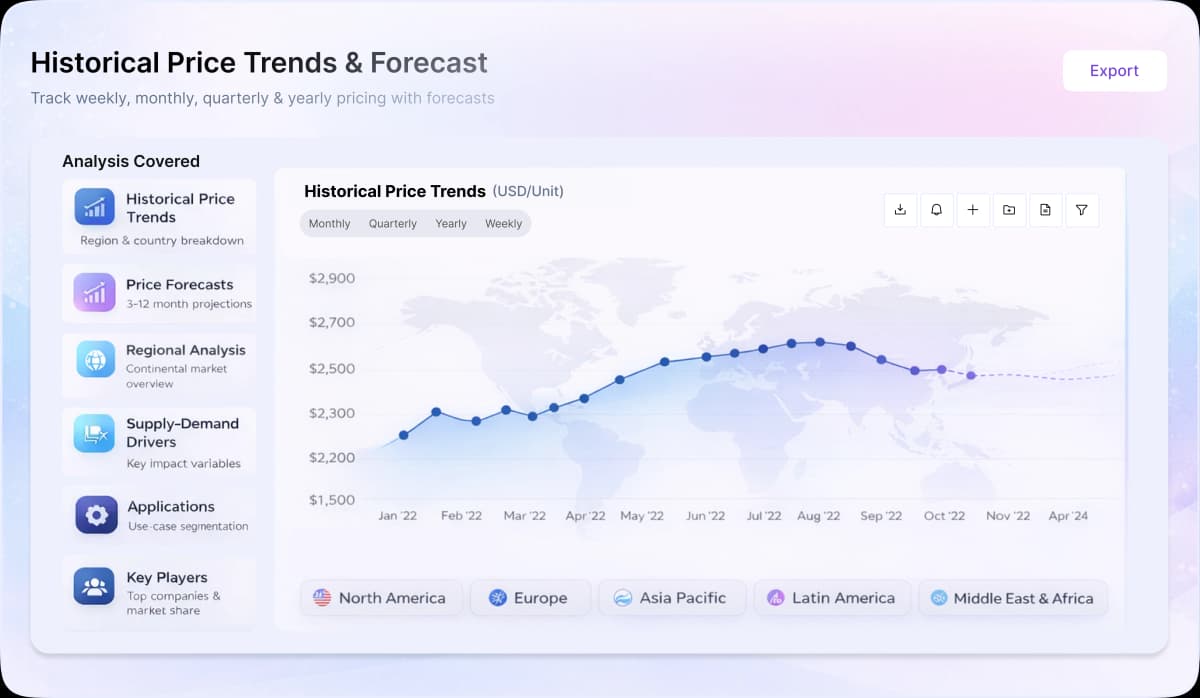
Turn price intelligence into action with the Procurement Resource Database. Log in or subscribe to unlock live price trends, historical charts, supplier databases, cost curves, and analyst-backed insights across chemicals, agriculture, energy, packaging, and more. Use these tools to benchmark your contracts, plan budgets with confidence, and stay ahead of market moves on every product you buy.


Lithium Dashboard Inclusions

Lithium Price Dasboard

0

+

Products

0

+

Regions

0

+

Subscriptions

The fourth quarter witnessed upward momentum in global lithium markets as supply constraints and strengthening demand fundamentals reversed earlier weakness. Chinese domestic prices experienced sustained appreciation following regulatory interventions that included mining license enforcement actions affecting multiple operations in key producing regions. The closure of a major mine operated by a leading battery manufacturer created immediate supply concerns that supported market sentiment throughout the period.

Demand indicators remained supportive as electric vehicle sales continued expanding in major markets, while battery production activity maintained growth trajectories. Downstream participants engaged in strategic procurement ahead of regulatory deadlines, contributing to increased trading activity in seaborne markets. Raw material costs for battery components escalated sharply, with key electrolyte materials and cathode inputs recording substantial gains that prompted several Chinese battery suppliers to announce price adjustments.

Strategic investments reshaped market dynamics as governments and energy companies committed capital to domestic production capacity. North American and European initiatives aimed at reducing import dependence gained traction through funding allocations and project advances. Inventory levels drew down progressively as consumption outpaced immediate supply additions, while operational margins for conversion facilities reflected tight feedstock availability.

Analyst Insight

According to Procurement Resource, lithium prices are expected to maintain elevated levels as supply chain tightness persists alongside continued battery demand growth.

About Lithium

Lithium is a highly reactive, soft, and silvery-white metal essential for various industries, particularly in the production of rechargeable batteries for electric vehicles and portable electronics. It is also used in pharmaceuticals, lubricants, and heat-resistant glass. As demand for electric vehicles and renewable energy storage grows, lithium has become a critical resource. However, its supply is limited, and extraction can be environmentally challenging, making the metal's availability and pricing increasingly important in the global market.

Lithium Product Detail

Hs Code
85076000
Chemical Formula

Li

Cas Number
7439-93-2
Molecular Weight
6.94

Regional Coverage

Asia Pacific

China, India, Indonesia, Pakistan, Bangladesh, Japan, Philippines, Vietnam, Iran, Thailand, South Korea, Iraq, Saudi Arabia, Malaysia, Nepal, Taiwan, Sri Lanka, UAE, Israel, Hongkong, Singapore, Oman, Kuwait, Qatar, Australia, and New Zealand

Europe

Germany, France, United Kingdom, Italy,Spain, Russia, Turkey, Netherlands, Poland, Sweden, Belgium, Austria, Ireland Switzerland, Norway, Denmark, Romania, Finland, Czech Republic, Portugal and Greece

North America

United States and Canada

Latin America

Brazil, Mexico, Argentina, Columbia, Chile, Ecuador, and Peru

Africa

South Africa, Nigeria, Egypt, Algeria, Morocco

CurrencyUS$ (Data can also be provided in local currency)

Supplier Database AvailabilityYes

Customization ScopeThe report can be customized as per the requirements of the customer

Post-Sale Analyst Support360-degree analyst support after report delivery

Note: Our supplier search experts can assist your procurement teams in compiling and validating a list of suppliers indicating they have products, services, and capabilities that meet your company's needs.

Lithium Production Process

  • Lithium Production by Lithium Brine: Lithium extraction from brine starts with pumping lithium-rich brine from underground reservoirs to evaporation ponds. The brine is evaporated in these ponds for months, which gives concentrate that contains lithium content. After that, the brine goes through pretreatment that includes filtration and ion exchange to remove impurities. The concentrated brine is with sodium carbonate that gives lithium carbonate. This precipitate is filtered out, washed, and dried to get lithium products.

Lithium Industrial Uses

Lithium has a wide range of industrial uses, with its most prominent application being in rechargeable batteries, particularly for electric vehicles, smartphones, and laptops. It is also used in the production of heat-resistant glass, ceramics, and aluminum production. Lithium compounds, such as lithium carbonate and lithium hydroxide, are utilized in pharmaceuticals to treat bipolar disorder and depression. Additionally, lithium is used in lubricating greases, air treatment, and as an alloy in lightweight materials for aerospace and defense industries.

Frequently Asked Questions

During Q1 2026, lithium prices showed a firm but volatile trend, supported by battery-sector restocking and stronger market sentiment after earlier weakness. Prices were influenced by changing demand from electric vehicles, energy storage systems, and cathode material producers. However, the market remained sensitive to oversupply concerns, as new mine and processing capacity continued to expand across major producing regions.
The lithium outlook for 2026 remains steady to firm, supported by electric vehicles, grid-scale storage, portable electronics, and battery manufacturing. Demand growth is expected to remain linked to lithium-ion batteries, which dominate global lithium consumption. Prices may remain volatile because mine output, spodumene supply, brine expansion, recycling, and downstream conversion capacity are all changing quickly across the global value chain.
The main factors affecting lithium prices in Q1 2026 were battery demand, inventory restocking, producer output discipline, and feedstock availability. EV and energy storage demand supported buying from cathode and battery material producers. At the same time, concerns over new supply from Australia, China, Argentina, Canada, Mali, and Zimbabwe limited stronger price gains and kept buyers cautious.
Major lithium-producing countries include Australia, China, Chile, Argentina, Zimbabwe, Brazil, Canada, Mali, Portugal, and the United States. Australia leads hard-rock lithium production, while Chile and Argentina remain important brine-based producers. Key companies include Albemarle, SQM, Ganfeng Lithium, Tianqi Lithium, Pilbara Minerals, Mineral Resources, Rio Tinto, Lithium Americas, Ioneer, and Allkem-related assets now held by Rio Tinto.
Recent developments in the lithium market show stronger investment in mine-site processing and value-added conversion capacity. Pilbara Minerals opened Australia’s first mine-site lithium mid-stream processing facility at its Pilgangoora operation in Western Australia. The facility is important because it moves processing closer to the lithium resource, supports spodumene value addition, and helps producers test lower-emission routes for battery-material supply chains.
Lithium is produced from hard-rock minerals, brines, clay deposits, geothermal brines, and oilfield brines. The value chain includes exploration, mining or brine extraction, concentration, roasting or direct extraction, leaching, purification, conversion, and production of lithium carbonate, lithium hydroxide, or other lithium compounds. These materials are then used in cathodes, batteries, ceramics, glass, lubricating greases, air treatment, and specialty chemicals.
USGS estimated world lithium mine production, excluding U.S. output, at 290,000 tonnes of lithium content in 2025, up from 222,000 tonnes in 2024. Australia led production with 92,000 tonnes, followed by China at 62,000 tonnes, Chile at 56,000 tonnes, Zimbabwe at 28,000 tonnes, Argentina at 23,000 tonnes, Brazil at 12,000 tonnes, Mali at 9,400 tonnes, and Canada at 5,600 tonnes. Global lithium reserves were estimated at 37.0 million tonnes.
Lithium trading is increasingly structured around offtake agreements, index-linked contracts, formula-based pricing, and exchange-traded futures. Long-term offtake deals between miners, automakers, and cathode producers typically run for 3-10 years with committed volumes. Fixed-price contracts are less common due to volatility. CME, LME, GFEX, and SGX lithium futures are gaining importance for hedging, with GFEX especially relevant in China’s physical lithium carbonate market.
A key policy development affecting lithium markets in 2026 was the continued expansion of critical-mineral supply-chain strategies across major economies, including the United Kingdom’s Vision 2035 Critical Minerals Strategy. The framework identified lithium as a strategic mineral for electric vehicles, battery storage, and clean-energy technologies while supporting domestic processing, recycling, and diversified sourcing. Such policies strengthened long-term investment confidence and encouraged additional supply-chain development, although their immediate impact on spot lithium prices remained limited.
Procurement Resource employs a structured methodology combining primary research, secondary market data, analytical models, and validation processes to assess lithium prices and trends. Price evaluations incorporate supply-demand dynamics, mining activities, trade flows, and value chain analysis, supported by continuous market monitoring to ensure accurate and reliable insights.

About the Author

Rakesh Nandi profile photo

Rakesh Nandi

Team Lead - Market Research

Leading procurement-focused market intelligence across chemicals, composites, advanced materials, aerospace & defense, and energy, delivering commodity forecasts, supply chain analysis, and competitive benchmarking to support sourcing decisions.

Our Price Analysis Methodology

Schedule Demo

Schedule a demo

Experience how Procurement Resource transforms raw material price data into clear, decision ready intelligence. Optimise your performance with reliable, expert market data and analysis. Schedule your demo today to experience a live walk-through where our experts will showcase interactive price charts, forecasted prices, and insights driving the prices for your key commodities, tailored to your workflows. Contact us now!

Our Team will be happy to assist you

We are just a text away

+1

Still Need Help?

Europe & Africa

+44 7573 171117

[email protected]

USA & Canada

+1 307 363 1045

[email protected]

APAC

+91 8850629517

[email protected]

Unlock full access to Procurement Resource's price databases, interactive charts, and short-term forecasts for thousands of commodities. Elevate your sourcing decisions by comparing prices across regions, downloading historical data, and layering in analyst-backed insights, all with our flexible plans that scale as your portfolio grows.

Still have any Questions

Contact Us
Mastercard
Wire
VISA
Stripe

Why Procurement Database

Commodity Market Intelligence

Commodity Market Intelligence

Track prices, market movements, supply-demand dynamics, and industry developments across hundreds of commodities through a centralized intelligence platform built for informed procurement decisions.

Price Forecasts & Market Outlooks

Price Forecasts & Market Outlooks

Understand market fluctuations using analyst-backed forecasts, historical pricing patterns, and evolving industry trends to strengthen sourcing strategies and budget planning.

Cost & Procurement Optimization

Cost & Procurement Optimization

Leverage cost models, pricing benchmarks, and procurement insights to evaluate purchasing opportunities, improve negotiations, and enhance operational efficiency.

Global & Regional Market Insights

Global & Regional Market Insights

Access region-specific price trends, trade activities, capacity changes, and supply chain developments influencing commodity markets worldwide.

1/4