

















Molybdenum Oxide Price Trend Analysis 2026: Historical Prices, Market Insights, Latest News, Supply Demand Analysis & Price Drivers

Shriya Singh profile photo
Written ByShriya Singh

Procurement Resource Database

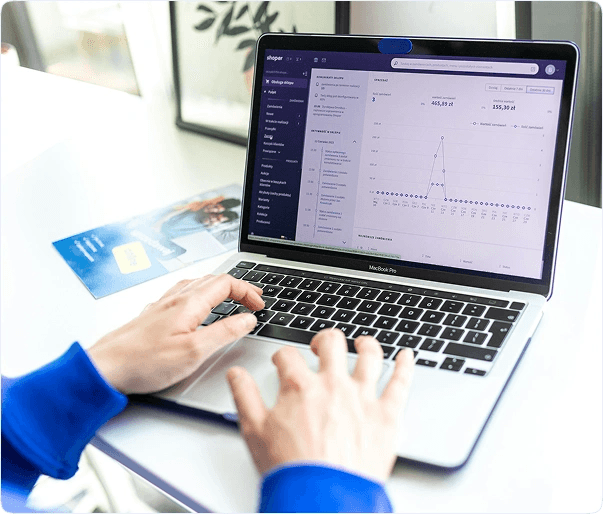
Laptop screen

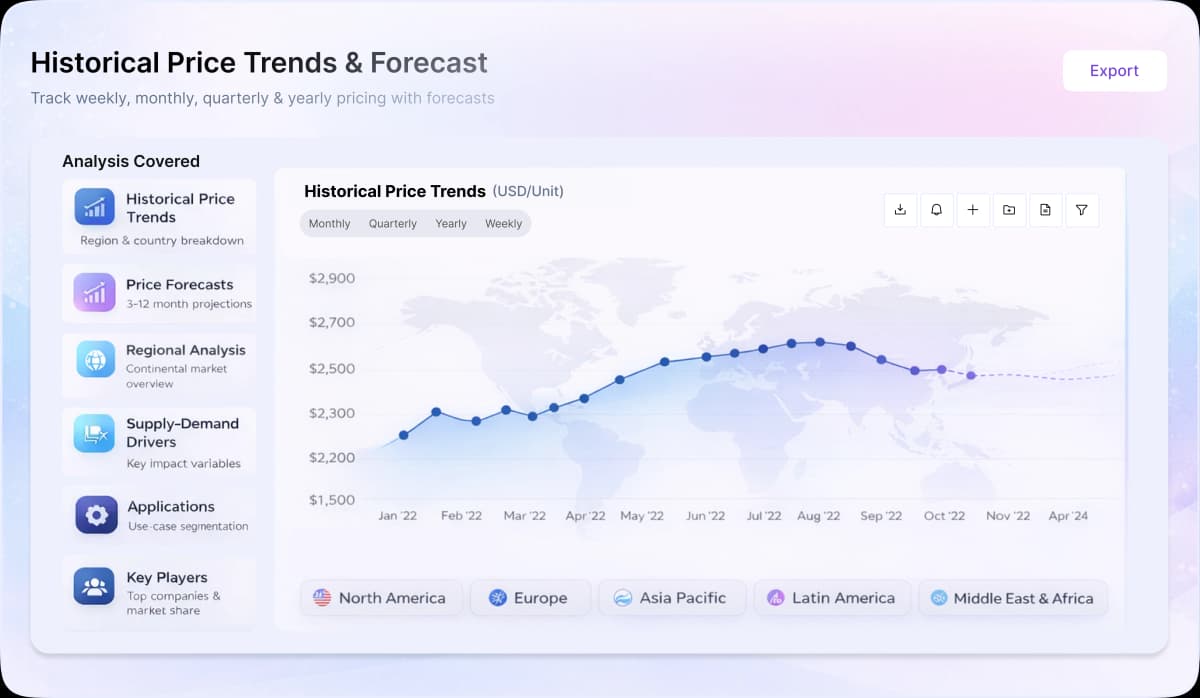
Turn price intelligence into action with the Procurement Resource Database. Log in or subscribe to unlock live price trends, historical charts, supplier databases, cost curves, and analyst-backed insights across chemicals, agriculture, energy, packaging, and more. Use these tools to benchmark your contracts, plan budgets with confidence, and stay ahead of market moves on every product you buy.

0

+

Products

0

+

Regions

0

+

Subscriptions

About Molybdenum Oxide

Molybdenum oxide in metallurgical trade commonly refers to molybdenum trioxide, MoO3, including technical-grade oxide made from roasted molybdenite concentrate. It is a key intermediate between mined molybdenum concentrate and downstream molybdenum products. Commercial oxide may be sold as powder, briquettes, or roasted concentrate with controlled molybdenum and impurity levels. Higher-purity MoO3 is also produced for chemical, catalyst, ceramic, and electronic uses that require tighter control of copper, sulfur, lead, and other impurities.

Molybdenum Oxide Product Detail

HS Code
28257010
Chemical Formula

MoO3

CAS Number
1313-27-5
Molecular Weight
143.95 g/mol
Supplier Database

Climax Molybdenum Company (Freeport-McMoRan), Molymet, Jinduicheng Molybdenum Co., Ltd. (JDC), CMOC Group

Synonyms

Molybdenum trioxide; molybdenum(VI) oxide; molybdic anhydride; MoO3; technical moly oxide

Regional Coverage

Asia Pacific

China, India, Indonesia, Pakistan, Bangladesh, Japan, Philippines, Vietnam, Iran, Thailand, South Korea, Iraq, Saudi Arabia, Malaysia, Nepal, Taiwan, Sri Lanka, UAE, Israel, Hongkong, Singapore, Oman, Kuwait, Qatar, Australia, and New Zealand

Europe

Germany, France, United Kingdom, Italy,Spain, Russia, Turkey, Netherlands, Poland, Sweden, Belgium, Austria, Ireland Switzerland, Norway, Denmark, Romania, Finland, Czech Republic, Portugal and Greece

North America

United States and Canada

Latin America

Brazil, Mexico, Argentina, Columbia, Chile, Ecuador, and Peru

Africa

South Africa, Nigeria, Egypt, Algeria, Morocco

CurrencyUS$ (Data can also be provided in local currency)

Supplier Database AvailabilityYes

Customization ScopeThe report can be customized as per the requirements of the customer

Post-Sale Analyst Support360-degree analyst support after report delivery

Note: Our supplier search experts can assist your procurement teams in compiling and validating a list of suppliers indicating they have products, services, and capabilities that meet your company's needs.

Production Process

Molybdenum Oxide Production by Oxidative Roasting of Molybdenite: Technical molybdenum oxide is mainly produced by roasting molybdenite concentrate, MoS2, in air. The concentrate is heated in a multiple-hearth or similar roaster, oxidizing molybdenum sulfide to molybdenum trioxide and generating sulfur dioxide in the off-gas. The roasted product is cooled, blended, sampled, and packed or briquetted for metallurgical use. Higher-purity MoO3 can be made by additional purification steps involving sublimation, ammonia leaching, precipitation, calcination, or combinations of these methods.

Industrial Uses

Molybdenum oxide is widely used as a molybdenum source in steelmaking, where it supports strength, hardenability, wear resistance, and high-temperature performance in alloy and stainless steels. It is also converted into ferromolybdenum, molybdenum metal, ammonium molybdates, and other molybdenum chemicals. Purified MoO3 is used in catalysts, pigments, ceramics, glass, electronics, and specialty chemical formulations. Technical oxide is especially important for metallurgical consumers that can charge oxide directly into steelmaking operations.

Our Price Analysis Methodology

About the Author

Shriya Singh profile photo

Shriya Singh

Business Insights Analyst

Helping procurement and sourcing teams navigate complex markets through data-driven research, category intelligence, and actionable insights - with a focus on identifying market trends, analyzing supply-side developments, and delivering clear intelligence that supports informed business decisions.

Schedule Demo

Schedule A Demo

Experience how Procurement Resource transforms raw material price data into clear, decision ready intelligence. Optimise your performance with reliable, expert market data and analysis. Schedule your demo today to experience a live walk-through where our experts will showcase interactive price charts, forecasted prices, and insights driving the prices for your key commodities, tailored to your workflows. Contact us now!

Our Team will be happy to assist you

We are just a text away

+1

Still Need Help?

Europe & Africa

+44 7573 171117

[email protected]

USA & Canada

+1 307 363 1045

[email protected]

APAC

+91 8850629517

[email protected]

Unlock full access to Procurement Resource's price databases, interactive charts, and short-term forecasts for thousands of commodities. Elevate your sourcing decisions by comparing prices across regions, downloading historical data, and layering in analyst-backed insights, all with our flexible plans that scale as your portfolio grows.

Still have any Questions

Contact Us
Mastercard
Wire
VISA
Stripe

Why Procurement Database

Commodity Market Intelligence

Commodity Market Intelligence

Track prices, market movements, supply-demand dynamics, and industry developments across hundreds of commodities through a centralized intelligence platform built for informed procurement decisions.

Price Forecasts & Market Outlooks

Price Forecasts & Market Outlooks

Understand market fluctuations using analyst-backed forecasts, historical pricing patterns, and evolving industry trends to strengthen sourcing strategies and budget planning.

Cost & Procurement Optimization

Cost & Procurement Optimization

Leverage cost models, pricing benchmarks, and procurement insights to evaluate purchasing opportunities, improve negotiations, and enhance operational efficiency.

Global & Regional Market Insights

Global & Regional Market Insights

Access region-specific price trends, trade activities, capacity changes, and supply chain developments influencing commodity markets worldwide.

1/4