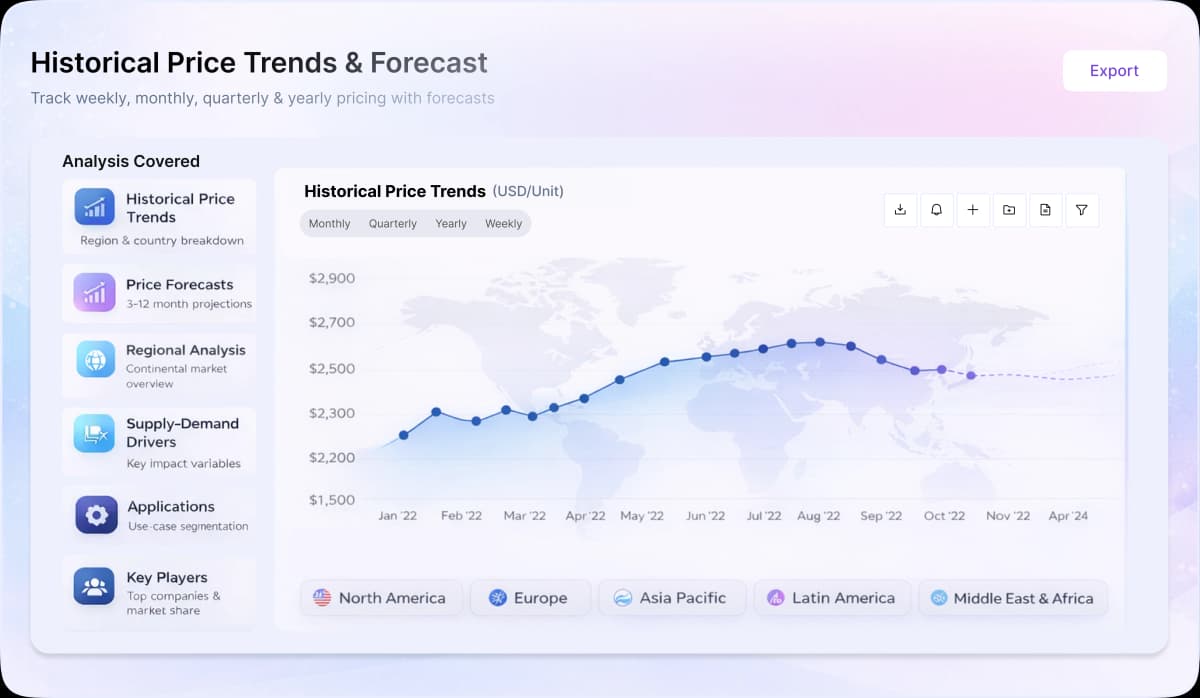
- Global Neoprene Rubber prices followed a firm upward trend during Q1’26 as rising petrochemical production costs, tighter regional supply, and elevated freight expenses supported synthetic rubber markets.
- Feedstock pressure strengthened due to higher energy-linked chloroprene and butadiene production costs, while the Iran conflict and Strait of Hormuz disruptions sharply increased shipping and insurance expenses globally.
- Downstream demand from automotive components, wire and cable, adhesives, coatings, industrial belts, and construction applications remained stable, supporting steady procurement across major regions.
Asia
In Asia, Neoprene Rubber prices increased significantly during Q1’26 due to firm manufacturing activity and rising logistics costs. In China, prices rose by approximately 7.59% from January to March, while Japan recorded a 6.16% increase and India witnessed a 3.24% rise during the same period. Market sentiment strengthened as tighter petrochemical supply conditions and elevated freight costs increased replacement values across the region. China continued benefiting from stable downstream demand from automotive manufacturing, industrial goods, wire and cable, adhesives, and construction-related applications. Rising shipping costs after the Strait of Hormuz disruption further tightened regional supply conditions and supported bullish sentiment.
Europe
In Europe, Neoprene Rubber prices increased by around 4.98% during Q1’26 as import-dependent buyers faced higher freight, utility, and replacement costs. Elevated marine insurance expenses and rerouting of petrochemical cargoes after the Iran conflict increased delivered costs across the region. Demand from automotive components, industrial belts, coatings, and protective equipment remained moderate, while weaker industrial activity limited sharper gains.
North America
In North America, Neoprene Rubber prices rose by approximately 7.18% from January to March 2026 due to higher global synthetic rubber costs and elevated export replacement values. Stable downstream demand from automotive, infrastructure, adhesives, and industrial applications supported procurement activity. Higher freight and energy costs linked to Middle East disruptions continued supporting regional pricing sentiment.