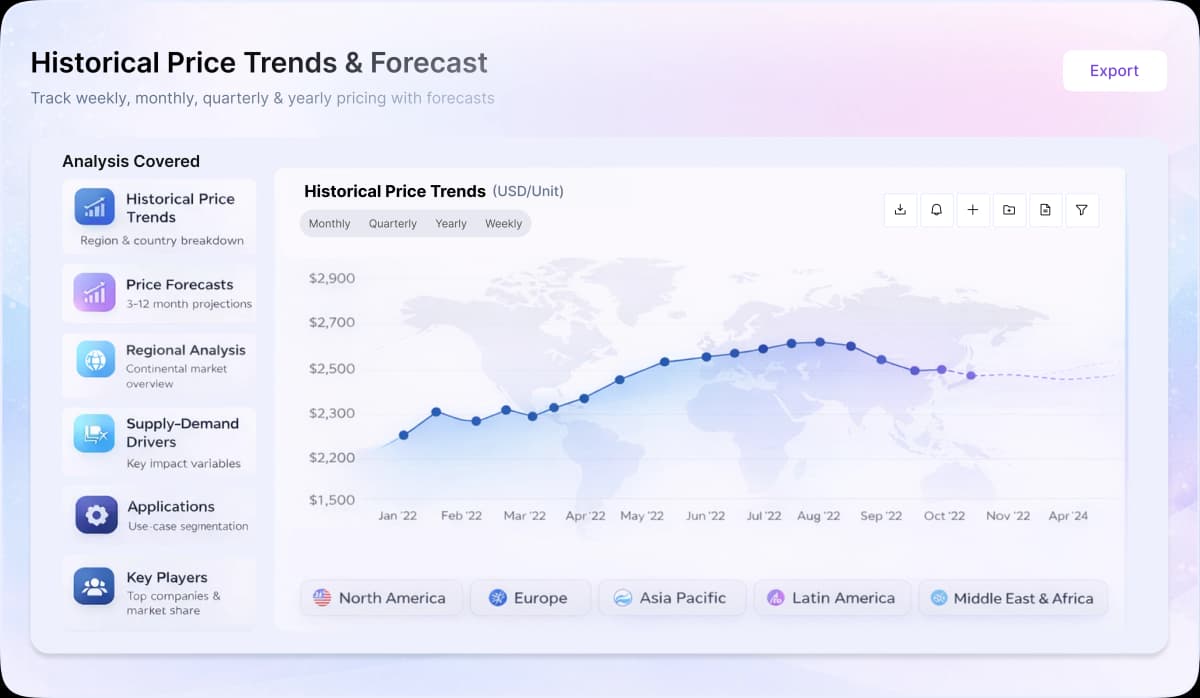
- The Nickel Sulfate (Battery Grade) market moved from a firmer tone toward softer conditions during Q2’26, as tighter intermediate availability and higher production costs initially supported the market before weaker buying interest emerged.
- Higher nickel costs, elevated MHP payables and sulphuric-acid expenses raised conversion costs, while changes in Indonesian nickel supply policy remained an important upstream factor.
- Downstream demand was mixed, with Chinese precursor producers increasing purchases ahead of the Labour Day holiday, European EV demand remaining supportive, and weaker North American EV activity limiting battery-material consumption.
Asia
During Q2’26, Nickel Sulfate (Battery Grade) price trend remained mixed. The Asian market strengthened during parts of the quarter as tighter intermediate-material availability and higher input costs increased production expenses. Changes in Indonesian nickel supply policy also raised concerns over future feedstock availability, while elevated MHP payables and sulphuric-acid costs added further pressure to producers. Chinese precursor manufacturers increased procurement ahead of the Labour Day holiday, providing additional support. However, conditions weakened toward the end of June as downstream buyers became less willing to accept higher offers and purchasing activity slowed. Despite relatively tight intermediate supply, softer nickel-market conditions reduced production-cost pressure and weakened seller sentiment.
Europe
European battery-material demand remained comparatively supportive as EV registrations strengthened during the quarter. However, the benefit for nickel sulfate consumption was moderated by the increasing adoption of lithium-iron-phosphate batteries, which do not require nickel. Automakers continued to evaluate alternative battery chemistries to reduce costs and exposure to critical mineral supply risks. As a result, stronger EV activity did not translate proportionally into additional nickel-intensive battery demand.
North America
North American demand remained weaker than in Europe, with declining EV registrations following the expiration of US EV incentives. This created a less supportive environment for nickel-containing battery materials and encouraged more cautious procurement among downstream participants. At the upstream level, growing global nickel inventories also restrained the effect of supply-side concerns and reduced the potential for sustained cost-driven market strength.
Analyst Insight
According to Procurement Resource, market conditions are expected to remain mixed, with Indonesian supply developments and intermediate availability providing support, while elevated inventories, cautious procurement and the shift toward nickel-free battery chemistries limit upside.