Acetaminophen (Paracetamol) Price Trend Analysis 2026: Historical Prices, Market Insights, Supply Demand Analysis, Price Drivers & Latest News

Procurement Resource Database

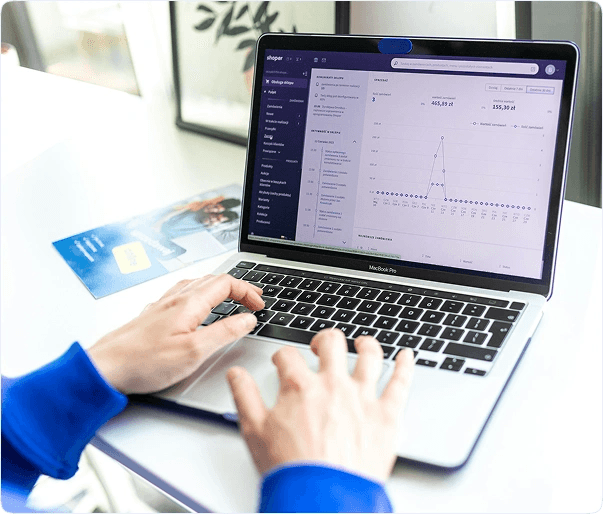
Laptop screen

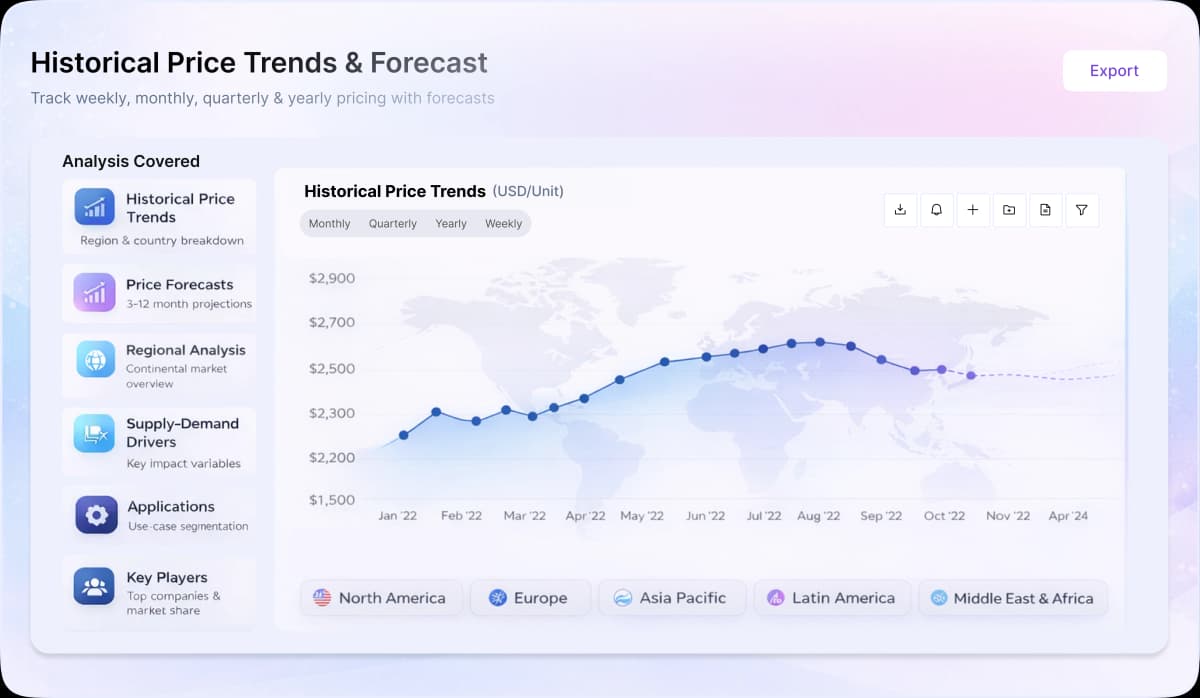
Turn price intelligence into action with the Procurement Resource Database. Log in or subscribe to unlock live price trends, historical charts, supplier databases, cost curves, and analyst-backed insights across chemicals, agriculture, energy, packaging, and more. Use these tools to benchmark your contracts, plan budgets with confidence, and stay ahead of market moves on every product you buy.

0

+

Products

0

+

Regions

0

+

Subscriptions

Asia

Asian Acetaminophen (Paracetamol) markets started 2025 with a modest improvement from the previous trough, but the recovery quickly lost momentum. Indian producer commentary indicated that earlier customer stockpiles remained high, while additional global API capacity intensified competition and kept margins under pressure. Producers increasingly redirected paracetamol into formulation intermediates and finished dosages rather than competing aggressively in the merchant API market. Feedstock conditions also remained relatively comfortable. Acetic anhydride and Phenol prices remained soft through much of the year, limiting raw-material support. By the second half, demand from API and finished-dosage customers began improving gradually, helping the market stabilize without producing a sharp rebound.

Europe

European Acetaminophen (Paracetamol) conditions remained soft for much of 2025 as global oversupply and continued competition from overseas manufacturers weighed on supplier bargaining power. Producer commentary specifically pointed to continued erosion in the European paracetamol API business during the first half. Weak phenol economics and lower energy costs also reduced replacement-cost pressure. Eurostat reported euro-area industrial producer prices falling 2.2% month on month in April, largely because of lower energy costs. However, European chemical producers continued facing comparatively high structural operating expenses, limiting the extent to which manufacturing costs could decline. Demand improved later in the year as paracetamol purchasing recovered, but sufficient API availability kept the market broadly balanced.

North America

North American Acetaminophen (Paracetamol) markets witnessed mixed trends. The year began on a weak footing as pharmaceutical manufacturers and distributors maintained disciplined inventories. Conditions became somewhat firmer during the second half as medicinal and botanical chemical costs improved and pharmaceutical demand normalized. However, adequate imported and domestic API availability prevented suppliers from gaining substantial pricing power.


About Acetaminophen (Paracetamol)

Acetaminophen (Paracetamol) is a p-aminophenol derivative that functions as an analgesic and antipyretic. Although the specific mechanism by which acetaminophen exerts its effects is unknown, it is thought that it inhibits the nitric oxide (NO) pathway, which is mediated by a number of neurotransmitter receptors including N-methyl-D-aspartate (NMDA) and substance P, and so raises the pain threshold. The antipyretic efficacy might be due to reduction of prostaglandin production and release in the CNS, as well as prostaglandin-mediated effects on the anterior hypothalamic heat-regulating area.

Acetaminophen (Paracetamol) Product Detail

Chemical Formula

HOC6H4NHCOCH3

Molecular Weight
151.16 g/mol
Industrial Uses

Chemical, Pharmaceutical

Synonyms

Paracetamol, 4-Acetamidophenol, 103-90-2, N-(4-Hydroxyphenyl)acetamide

Supplier Database

Abbott, Janssen Pharmaceuticals, Bristol-Myers Squibb and Company, Cardinal Health Inc, Viatris, Procter & Gamble Company

Regional Coverage

Asia Pacific

China, India, Indonesia, Pakistan, Bangladesh, Japan, Philippines, Vietnam, Iran, Thailand, South Korea, Iraq, Saudi Arabia, Malaysia, Nepal, Taiwan, Sri Lanka, UAE, Israel, Hongkong, Singapore, Oman, Kuwait, Qatar, Australia, and New Zealand

Europe

Germany, France, United Kingdom, Italy,Spain, Russia, Turkey, Netherlands, Poland, Sweden, Belgium, Austria, Ireland Switzerland, Norway, Denmark, Romania, Finland, Czech Republic, Portugal and Greece

North America

United States and Canada

Latin America

Brazil, Mexico, Argentina, Columbia, Chile, Ecuador, and Peru

Africa

South Africa, Nigeria, Egypt, Algeria, Morocco

CurrencyUS$ (Data can also be provided in local currency)

Supplier Database AvailabilityYes

Customization ScopeThe report can be customized as per the requirements of the customer

Post-Sale Analyst Support360-degree analyst support after report delivery

Note: Our supplier search experts can assist your procurement teams in compiling and validating a list of suppliers indicating they have products, services, and capabilities that meet your company's needs.

Acetaminophen (Paracetamol) Production Processes

  • Production of Acetaminophen (Paracetamol) from Phenol

The ortho-nitrotoluene is removed during the steam distillation process, leaving the para-nitrotoluene intact for further processing. The para-nitrotoluene is then reduced to the p-amino group, which is followed by acetylation, resulting in acetaminophen.

Frequently Asked Questions

The acetaminophen outlook for 2024 points toward gradual stabilization as supply-demand dynamics move toward equilibrium, though the path remains uneven across regions. Oversupply and elevated inventory levels have driven prices lower in Asia and North America, while maintenance shutdowns and rising energy costs produced temporary rebounds in Europe. Downstream pharmaceutical demand has been softer than expected, prompting buyers to delay purchases and prioritize destocking. Renewed supply chain disruptions, further inventory drawdowns, or a pickup in pharmaceutical consumption could shift this outlook.
Acetaminophen prices are driven primarily by upstream feedstock costs, including p-nitrochlorobenzene, nitrobenzene, phenol, and acetic anhydride, depending on the production route used. Currency movements, particularly the strength of the US dollar against the Chinese yuan and the euro, shape export competitiveness for Chinese and European producers and feed through to landed costs for importers. Plant maintenance shutdowns and energy costs influence near-term supply availability, while inventory levels and buyer purchasing patterns, whether building stock or favoring spot purchases, determine how quickly supply changes translate into price moves. Downstream pharmaceutical demand sets the pace of offtake.
Major acetaminophen API producers include Mallinckrodt Pharmaceuticals, Sanofi, Sun Pharmaceutical Industries, Teva Pharmaceutical Industries, and GlaxoSmithKline. China dominates production in Asia, making it the primary exporter, while North American and European markets are largely served by domestic manufacturers and importers. This concentration in Chinese output creates a notable supply security consideration for global buyers.
Acetaminophen is manufactured through three primary routes. The p-nitrochlorobenzene route uses sodium hydroxide to form para-nitrophenol, reduced and acetylated with acetic anhydride. The nitrobenzene route employs hydrogen and sulfuric acid to form 4-aminophenol, then acetylated. The phenol route isolates para-nitrotoluene via steam distillation, reduces it to a p-amino group, and acetylates it. Core feedstocks are p-nitrochlorobenzene, nitrobenzene, phenol, sodium hydroxide, acetic anhydride, hydrogen, and sulfuric acid. The finished API serves as an analgesic and antipyretic in pain relief and fever-reduction pharmaceuticals.
The pharmaceutical and medical industries are the primary downstream consumers of acetaminophen. It is used as an analgesic and antipyretic to treat mild to moderate pain, fever, and osteoarthritis, and is formulated in combination products for moderate to severe pain. Steady pharmaceutical production and inventory replenishment by these industries sustain baseline demand, while reduced purchasing activity softens price pressure across markets.
China, as Asia's largest acetaminophen producer, and India, home to Sun Pharmaceutical Industries, anchor a significant share of global API supply, giving producers strong negotiating power and compressing buyer leverage. Freight costs and lead times directly shape landed costs for importers. Currency movements also matter when Chinese manufacturers face local currency appreciation against the US dollar, export competitiveness weakens and prices can soften. Any production disruption, regulatory change, or feedstock shock in either country would tighten global availability and push prices higher, since downstream buyers have limited alternative sourcing options.
Procurement Resource assesses acetaminophen prices through a structured, data-driven methodology combining primary engagement with producers, suppliers and traders, secondary market data, monitoring of feedstock and input costs, trade-flow and inventory tracking, and exchange or spot benchmarks. These inputs are validated and translated into a transparent price assessment and outlook. The detailed methodology is available on the Procurement Resource website.

Our Price Analysis Methodology

About the Author

Vishakha Agrawal profile photo

Vishakha Agrawal

Lead - Social & Development Research

Delivering procurement intelligence and supply chain analytics across healthcare, FMCG, and chemicals sectors, with expertise in cost modeling, vendor mapping, and spend optimization to support data-driven sourcing decisions and procurement outcomes.

Schedule Demo

Schedule A Demo

Experience how Procurement Resource transforms raw material price data into clear, decision ready intelligence. Optimise your performance with reliable, expert market data and analysis. Schedule your demo today to experience a live walk-through where our experts will showcase interactive price charts, forecasted prices, and insights driving the prices for your key commodities, tailored to your workflows. Contact us now!

Our Team will be happy to assist you

We are just a text away

+1

Still Need Help?

Europe & Africa

+44 7573 171117

[email protected]

USA & Canada

+1 307 363 1045

[email protected]

APAC

+91 8850629517

[email protected]

Unlock full access to Procurement Resource's price databases, interactive charts, and short-term forecasts for thousands of commodities. Elevate your sourcing decisions by comparing prices across regions, downloading historical data, and layering in analyst-backed insights, all with our flexible plans that scale as your portfolio grows.

Still have any Questions

Contact Us
Mastercard
Wire
VISA
Stripe

Why Procurement Database

Commodity Market Intelligence

Commodity Market Intelligence

Track prices, market movements, supply-demand dynamics, and industry developments across hundreds of commodities through a centralized intelligence platform built for informed procurement decisions.

Price Forecasts & Market Outlooks

Price Forecasts & Market Outlooks

Understand market fluctuations using analyst-backed forecasts, historical pricing patterns, and evolving industry trends to strengthen sourcing strategies and budget planning.

Cost & Procurement Optimization

Cost & Procurement Optimization

Leverage cost models, pricing benchmarks, and procurement insights to evaluate purchasing opportunities, improve negotiations, and enhance operational efficiency.

Global & Regional Market Insights

Global & Regional Market Insights

Access region-specific price trends, trade activities, capacity changes, and supply chain developments influencing commodity markets worldwide.

1/4