

Prakhar Panchbhaiya
Assistant Manager: Business Insights and Content
Supporting procurement teams with category intelligence, market research, price trends, supply-demand analysis, and strategic sourcing insights across key industries.

| Product | Region | Incoterm Basis | Price | Last Updated Month |
|---|---|---|---|---|
| Patchouli Oil Light | Germany | CFR | USD 79,368.00/MT | August 2026 |
| Patchouli Oil Light | Germany | CFR | USD 78,570.00/MT | July 2026 |
Stay updated with the latest Patchouli Oil Light prices, historical data, and tailored regional analysis
Supply conditions in Indonesia, the dominant origin for patchouli, set the direction for Patchouli Oil Light during the third quarter. From July, prolonged dry weather and concerns over a strong El Niño threatened leaf yields, triggering a sharp rise in crude patchouli oil prices at source, while farmers, still recovering from weak returns earlier in the year, held back sales. Because light grades are produced by refining crude patchouli oil to a paler, cleaner specification, these higher input costs passed directly into light oil values. Availability for export buyers tightened further after Indonesia introduced its BPAP export certification requirement, which slowed outbound shipments. Quality became a key pricing factor, as the market showed a wide spread between premium oils and cheaper material differing in composition, keeping well-specified light grades at a premium for fragrance applications. Prices in Aceh, Indonesia, continued rising into late September amid high volatility, in line with the usual seasonal strengthening of the second half. Indonesia's trade data underlined the price-driven nature of the market, with patchouli oil export earnings growing on higher selling prices rather than expanded planting. Importers in North America and Europe consequently faced firmer replacement costs. Plans to include patchouli oil in Indonesia's warehouse receipt system, supporting quality standardisation and traceability, may help steady supply over time.
Analyst Insight
According to Procurement Resource, in the near term, Patchouli Oil Light prices are expected to remain firm, supported by weather risk, export delays and seasonal demand.
Need Latest Patchouli Oil Light Prices?
Get real-time price assessments, periodic trends, forecasts and price driver insights across key global markets.
Our Clients































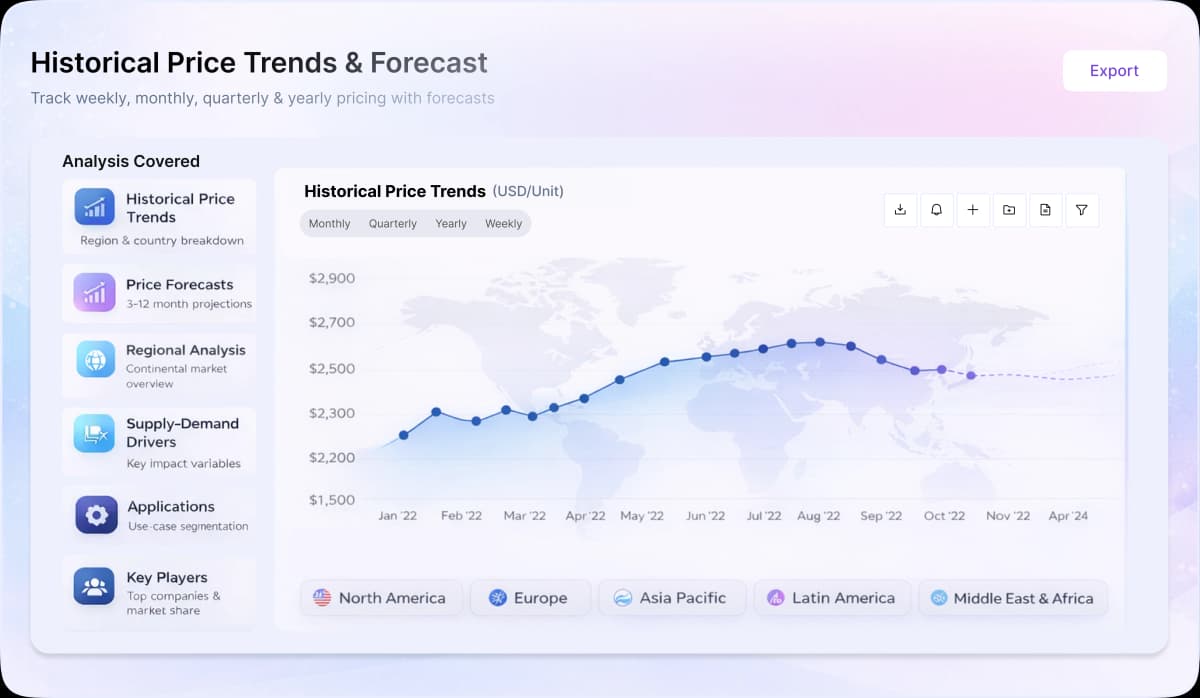
Turn price intelligence into action with the Procurement Resource Database. Log in or subscribe to unlock live price trends, historical charts, supplier databases, cost curves, and analyst-backed insights across chemicals, agriculture, energy, packaging, and more. Use these tools to benchmark your contracts, plan budgets with confidence, and stay ahead of market moves on every product you buy.
0
+Products
0
+Regions
0
+Subscriptions
Patchouli Oil Light, a refined extract from the Pogostemon cablin plant prized for its earthy, musky depth and natural fixative character, is a foundational ingredient across the fragrance, personal care, and aromatherapy industries. Its steady incorporation into perfumes, colognes, skincare, and wellness products sustains reliable end-use demand, while supply remains tightly linked to agricultural conditions in Indonesia, the dominant producing origin.
In H1 2026, the market continued to benefit from the more disciplined supply environment that emerged through 2025. Indonesian producers built on improved harvesting coordination and better crop management, curtailing the panic harvesting and quality variability seen in earlier seasons. Seasonal conditions across key growing areas were broadly supportive, contributing to healthier plant maturity and a more consistent quality profile in material reaching buyers. Procurement behaviour stabilised as market confidence held firm, and demand from fragrance houses and personal care manufacturers remained resilient, underpinned by consumer appetite for natural aromatic ingredients. Overall, pricing trended stable to firm in H1 2026, with tightness concentrated in premium quality grades.
Patchouli oil light is a refined version of traditional patchouli oil, extracted from the leaves of the Pogostemon cablin plant. It retains the characteristic earthy, musky, and woody aroma of patchouli but with a milder, less intense fragrance. This lighter version is often produced by diluting or refining the oil to reduce its potency while maintaining its aromatic and therapeutic properties. Patchouli oil light is widely used in the fragrance industry for perfumes, air fresheners, and cosmetics. It is also valued in aromatherapy for its calming and grounding effects, and in skincare products for its soothing and anti-inflammatory benefits.
Takasago International Corporation, Treatt Plc, Givaudan, Van Aroma, Eastern Agencies Aromatics Pvt. Ltd., Treatt Plc, PT. INDESSO AROMA, Firmenich SA
CurrencyUS$ (Data can also be provided in local currency)
Supplier Database AvailabilityYes
Customization ScopeThe report can be customized as per the requirements of the customer
Post-Sale Analyst Support360-degree analyst support after report delivery
Note: Our supplier search experts can assist your procurement teams in compiling and validating a list of suppliers indicating they have products, services, and capabilities that meet your company's needs.
Crude patchouli oil, extracted from the leaves of the Pogostemon cablin plant, has diverse industrial applications, especially in the fragrance and cosmetic industries. Its strong, earthy, and musky aroma makes it a key ingredient in perfumes, colognes, and incense. Crude patchouli oil is also widely used in creating natural air fresheners and scented products. In cosmetics, it is valued for its potential skin-healing properties and is incorporated into creams, lotions, and soaps. Additionally, crude patchouli oil is used in aromatherapy for its grounding and stress-relieving effects, and it serves as an ingredient in some natural cleaning products due to its antimicrobial properties.
Our Price Analysis Methodology
Assistant Manager: Business Insights and Content
Supporting procurement teams with category intelligence, market research, price trends, supply-demand analysis, and strategic sourcing insights across key industries.
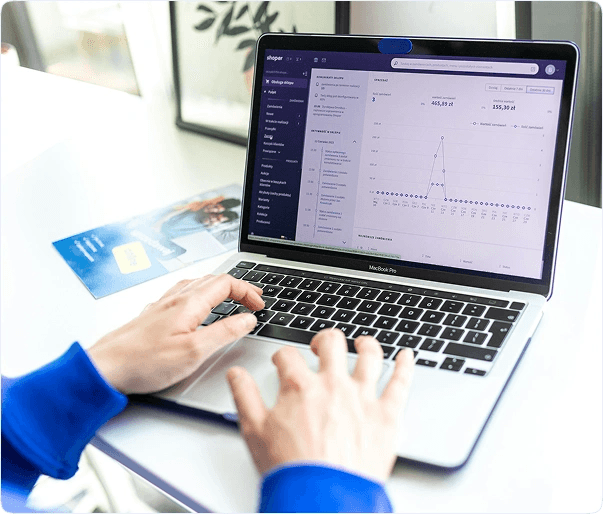
Experience how Procurement Resource transforms raw material price data into clear, decision ready intelligence. Optimise your performance with reliable, expert market data and analysis. Schedule your demo today to experience a live walk-through where our experts will showcase interactive price charts, forecasted prices, and insights driving the prices for your key commodities, tailored to your workflows. Contact us now!
Our Team will be happy to assist you
We are just a text away
Still Need Help?
Unlock full access to Procurement Resource's price databases, interactive charts, and short-term forecasts for thousands of commodities. Elevate your sourcing decisions by comparing prices across regions, downloading historical data, and layering in analyst-backed insights, all with our flexible plans that scale as your portfolio grows.
Still have any Questions
Contact Us



Price Trend Dashboard - What's Included
Price trends across a diverse portfolio of categories and products, spanning board to niche chemicals
Coverage extendable to grade-specific chemicals based on procurement requirements
Regular price tracking supported by robust historical datasets
News, policy updates, and key market drivers impacting price movements
Short-term and long-term price outlooks and forecasts
Supply–demand dynamics and capacity-driven market analysis

Track prices, market movements, supply-demand dynamics, and industry developments across hundreds of commodities through a centralized intelligence platform built for informed procurement decisions.

Understand market fluctuations using analyst-backed forecasts, historical pricing patterns, and evolving industry trends to strengthen sourcing strategies and budget planning.

Leverage cost models, pricing benchmarks, and procurement insights to evaluate purchasing opportunities, improve negotiations, and enhance operational efficiency.
Access region-specific price trends, trade activities, capacity changes, and supply chain developments influencing commodity markets worldwide.