Asia
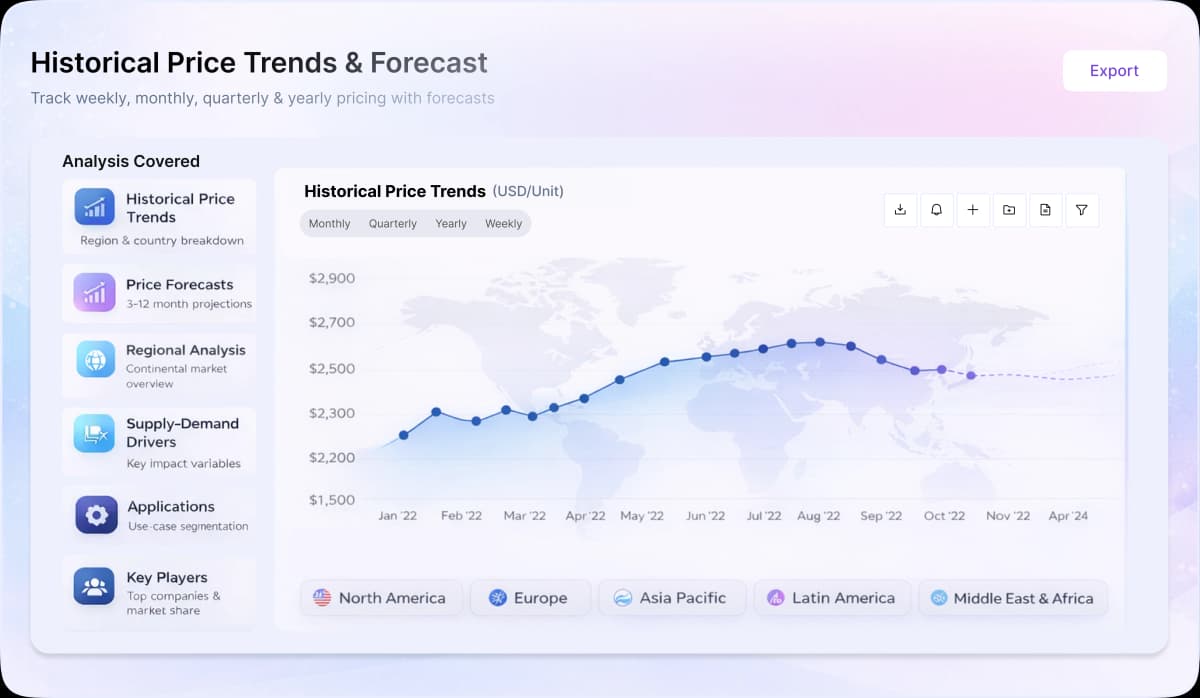
In the first half of 2025, the Polyphenylene Ether (PPE) market in Asia experienced a range of trends. Early in the year, demand from key sectors such as automotive and electronics was weak, contributing to a bearish market. This was primarily due to high inventory levels and a slow recovery from the post-holiday season.
However, as the first quarter progressed, some positive signs emerged. Supply constraints, particularly from scheduled plant shutdowns and logistical disruptions, began to drive prices upward in February.
By March, the market showed noticeable improvement, with industrial activities picking up, especially after the Spring Festival. The automotive sector, in particular, showed signs of recovery, lifting PPE consumption. Despite early-year challenges, the second quarter saw a gradual improvement in demand, supported by renewed production activity and stabilizing supply chains.
Europe
In Europe, the PPE market was marked by volatility in the first half of 2025. The region faced high energy costs and carbon taxes, which exerted upward pressure on prices, even though demand remained relatively muted in the first quarter. Throughout this period, European producers struggled with production costs and overcapacity, which added to the market uncertainty.
The sluggish demand continued, particularly from the automotive and construction sectors, where purchasing activities remained cautious. While production costs were high, there were no significant disruptions in the supply chain, so prices remained relatively stable, but the market remained oversupplied. By the second quarter, demand showed signs of stabilization, but the overall outlook for PPE remained tepid as producers faced ongoing challenges in balancing supply and demand.
North America
In North America, the PPE market experienced a generally subdued trend during the first half of 2025. The year began with some temporary price increases due to cold weather disruptions in production and transportation, but the overall sentiment remained weak. By the second quarter, as temperatures stabilized, the market began to reflect the larger global trend of moderate demand.
The automotive and electronics industries, major consumers of PPE, showed slower recovery than expected, which contributed to subdued purchasing. Throughout this period, inventories built up, and price pressure from high production costs did not result in sustained upward movement. By mid-year, the market showed signs of stabilization, but prices remained relatively flat, reflecting cautious demand and stable supply.