Asia
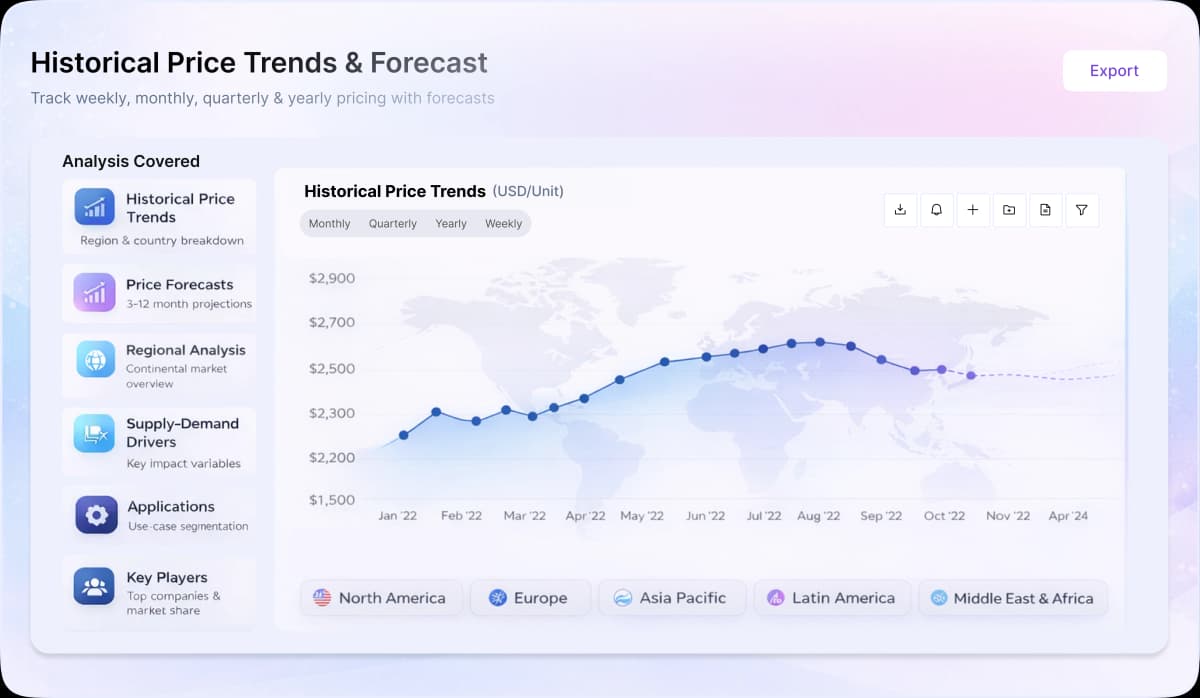
The price trajectory of polypropylene glycol showed an overall steady trend with occasional declines during Q3'24, closely resembling that of its feedstock, propylene oxide. Throughout the quarter, the polypropylene glycol market witnessed range-bound oscillations, with some sudden dips primarily due to falling prices of upstream propylene. Market sentiment toward other propylene derivatives turned increasingly pessimistic towards the end of the quarter, influenced by weak demand in the propylene sector.
The downstream procurement market adopted a wait-and-see attitude, focusing on on-demand purchasing of raw materials. While new orders and an increase in order volume initially sparked enthusiasm among manufacturers, this optimism was not sustained, as the fall in upstream prices led buyers to expect further price declines. Overall, market sentiment remained weak, but prices stayed relatively stable.
Europe
In a slight contrast to the Asian market, the European polypropylene glycol market maintained a positive outlook in Q3'24, with prices rising despite weak demand. The primary driver behind this price increase was the rising cost of upstream propylene, caused by constrained supply due to reduced shipping cargo availability and lower domestic production. This, in turn, pushed production costs higher, ultimately squeezing manufacturers' profit margins. Overall, prices were supported by the rising cost of upstream raw materials, even amidst low downstream demand.
North America
The North American propylene market experienced oscillating prices, mirroring global trends. Initially, market sentiment was positive; however, in September, influenced by declining propylene prices in the Asian market, a downward shift occurred. Demand for polypropylene glycol softened as market participants anticipated further price declines. Additionally, logistical challenges arose from seasonal hurricanes, disrupting production at some facilities. While these storms temporarily halted operations, the impact was limited, and supply levels were restored relatively quickly. Overall, the North American market continues to navigate these fluctuations as producers adjust to shifting conditions.