Udeesha Tomar
AVP - Strategy and Solutions
Leading procurement research solutions across chemicals, materials, and food & beverages, with expertise in price forecasting and market analytics.

Polypropylene (raffia) market followed an overall upward trend during H1’26, with the strongest momentum emerging in March and April in the Chinese region. Supply disruptions around the Strait of Hormuz restricted Middle Eastern PP shipments, a region responsible for close to 25% of global PP and polyethylene exports, encouraging South and Southeast Asian buyers to turn toward Chinese resin. Extensive plant maintenance kept operating availability restricted through April and May, while tighter propylene conditions provided additional cost support. However, domestic polypropylene (raffia) consumption remained less convincing as woven-bag manufacturers reduced operating rates and maintained need-based procurement. Market momentum weakened during June as plant availability improved, propylene supply became more comfortable and export demand slowed, returning some export-oriented material to the domestic market.
Analyst Insight
According to Procurement Resource, in the near-term, polypropylene (raffia) conditions are expected to remain stable to slightly soft as supply improves and seasonal woven-bag demand stays cautious.
Need latest Polypropylene (Raffia) price?
Get real-time price assessments, periodic trends, forecasts and price driver insights across key global markets.
Unlock Price Insights NowOur Clients































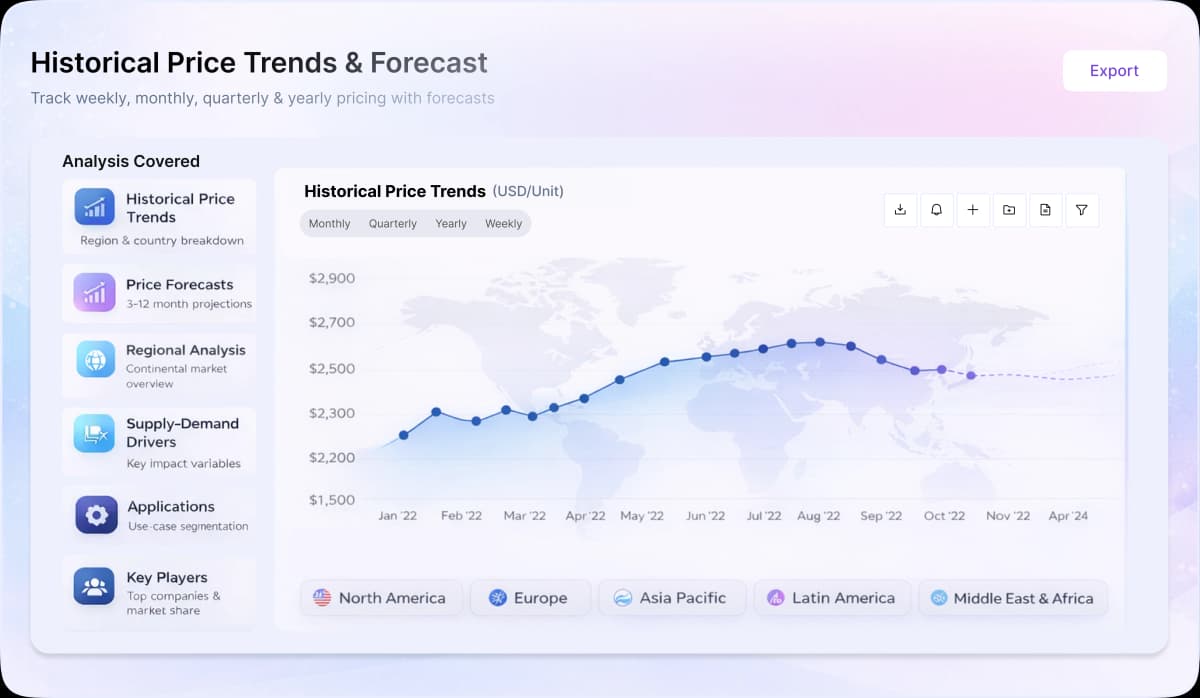
Turn price intelligence into action with the Procurement Resource Database. Log in or subscribe to unlock live price trends, historical charts, supplier databases, cost curves, and analyst-backed insights across chemicals, agriculture, energy, packaging, and more. Use these tools to benchmark your contracts, plan budgets with confidence, and stay ahead of market moves on every product you buy.
0
+Products
0
+Regions
0
+Subscriptions
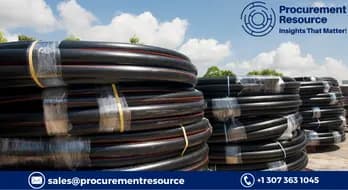
Polypropylene raffia is a high-strength polypropylene grade used for producing woven fabrics, bags, and industrial packaging materials. It offers good tensile strength, lightweight properties, moisture resistance, and durability. Raffia-grade polypropylene is generally produced as pellets and processed through extrusion to form tapes or fibres used in various flexible packaging and industrial applications.
(C3H6)n
LyondellBasell Industries N.V., Braskem S.A., SABIC, Borealis AG, Reliance Industries Limited, ExxonMobil Chemical Company
CurrencyUS$ (Data can also be provided in local currency)
Supplier Database AvailabilityYes
Customization ScopeThe report can be customized as per the requirements of the customer
Post-Sale Analyst Support360-degree analyst support after report delivery
Note: Our supplier search experts can assist your procurement teams in compiling and validating a list of suppliers indicating they have products, services, and capabilities that meet your company's needs.
Polypropylene raffia production involves polymerizing propylene feedstock in a reactor, followed by pelletizing and extrusion processing. The pellets are converted into oriented tapes through stretching and heat treatment processes. Manufacturers control parameters such as molecular weight, melt flow rate, and tensile strength to meet packaging and textile industry requirements.
Polypropylene raffia is mainly used for manufacturing woven sacks, bulk bags, packaging fabrics, tarpaulins, geotextiles, ropes, and industrial textiles. It is widely used in agriculture packaging for fertilizers, grains, and animal feed. Its strength, chemical resistance, and low moisture absorption make it suitable for heavy-duty packaging and construction applications.
Our Price Analysis Methodology
AVP - Strategy and Solutions
Leading procurement research solutions across chemicals, materials, and food & beverages, with expertise in price forecasting and market analytics.
Experience how Procurement Resource transforms raw material price data into clear, decision ready intelligence. Optimise your performance with reliable, expert market data and analysis. Schedule your demo today to experience a live walk-through where our experts will showcase interactive price charts, forecasted prices, and insights driving the prices for your key commodities, tailored to your workflows. Contact us now!
Our Team will be happy to assist you
We are just a text away
Still Need Help?
The report is the study of economics of polypropylene production by bulk polymerization method.
Polypropylene (PP) Manufacturing Plant Project Report thoroughly focuses on every detail that encompasses the cost of manufacturing. Our extensive cost model meticulously covers breaking down expenses around raw materials, labour, technology, and manufacturing expenses. This enables precise cost structure optimization and helps in identifying effective strategies to reduce the overall cash cost of manufacturing.
Unlock full access to Procurement Resource's price databases, interactive charts, and short-term forecasts for thousands of commodities. Elevate your sourcing decisions by comparing prices across regions, downloading historical data, and layering in analyst-backed insights, all with our flexible plans that scale as your portfolio grows.
Still have any Questions
Contact Us



Price Trend Dashboard - What's Included
Price trends across a diverse portfolio of categories and products, spanning board to niche chemicals
Coverage extendable to grade-specific chemicals based on procurement requirements
Regular price tracking supported by robust historical datasets
News, policy updates, and key market drivers impacting price movements
Short-term and long-term price outlooks and forecasts
Supply-demand dynamics and capacity-driven market analysis

Track prices, market movements, supply-demand dynamics, and industry developments across hundreds of commodities through a centralized intelligence platform built for informed procurement decisions.

Understand market fluctuations using analyst-backed forecasts, historical pricing patterns, and evolving industry trends to strengthen sourcing strategies and budget planning.

Leverage cost models, pricing benchmarks, and procurement insights to evaluate purchasing opportunities, improve negotiations, and enhance operational efficiency.
Access region-specific price trends, trade activities, capacity changes, and supply chain developments influencing commodity markets worldwide.