Udeesha Tomar
AVP - Strategy and Solutions
Leading procurement research solutions across chemicals, materials, and food & beverages, with expertise in price forecasting and market analytics.

| Product | Category | Region | Price | Last Updated Month |
| Polypropylene Talc Filled (PPTF) | Packaging | United Kingdom | 757 USD/MT | January 2025 |
| Polypropylene Talc Filled (PPTF) | Packaging | United Kingdom | 777 USD/MT | February 2025 |
Stay updated with the latest Polypropylene Talc Filled (PPTF) prices, historical data, and tailored regional analysis
The PPTF price graph began moderately in the first week of January and gained momentum as the quarter progressed. This movement aligned with broader trends in the polypropylene market, where rising feedstock costs and supply constraints exerted upward pressure on prices across the region. With high transportation costs and delayed shipments from Asia and the Middle East, European domestic producers raised their price quotations. Suppliers maintained firm pricing despite tight margins and cost pressures, leading to the highest price levels of the quarter by mid-March.
By the end of the quarter, prices began stabilizing, although there was no sharp decline only a slower rate of price increases. Demand remained weak in the automotive and construction sectors, with only the packaging industry providing support to PPTF prices. Production constraints persisted, as some manufacturers operated below optimal levels; however, weak demand limited further price increases. Prices were approximately 757 USD/MT (CIF) in January and 777 USD/MT in February.
This overall trend was driven by cost pressures and supply constraints. The PPTF price analysis indicated that despite subdued demand, sellers maintained pricing control for most of the quarter due to feedstock-related costs and logistical challenges.
Analyst Insight
According to Procurement Resource, the Polypropylene Talc Filled (PPTF) price curve is expected to stabilize as downstream demand for the commodity does not suggest much deviation going forward.
Need Latest Polypropylene Talc Filled (PPTF) Prices?
Get real-time price assessments, periodic trends, forecasts and price driver insights across key global markets.
Our Clients































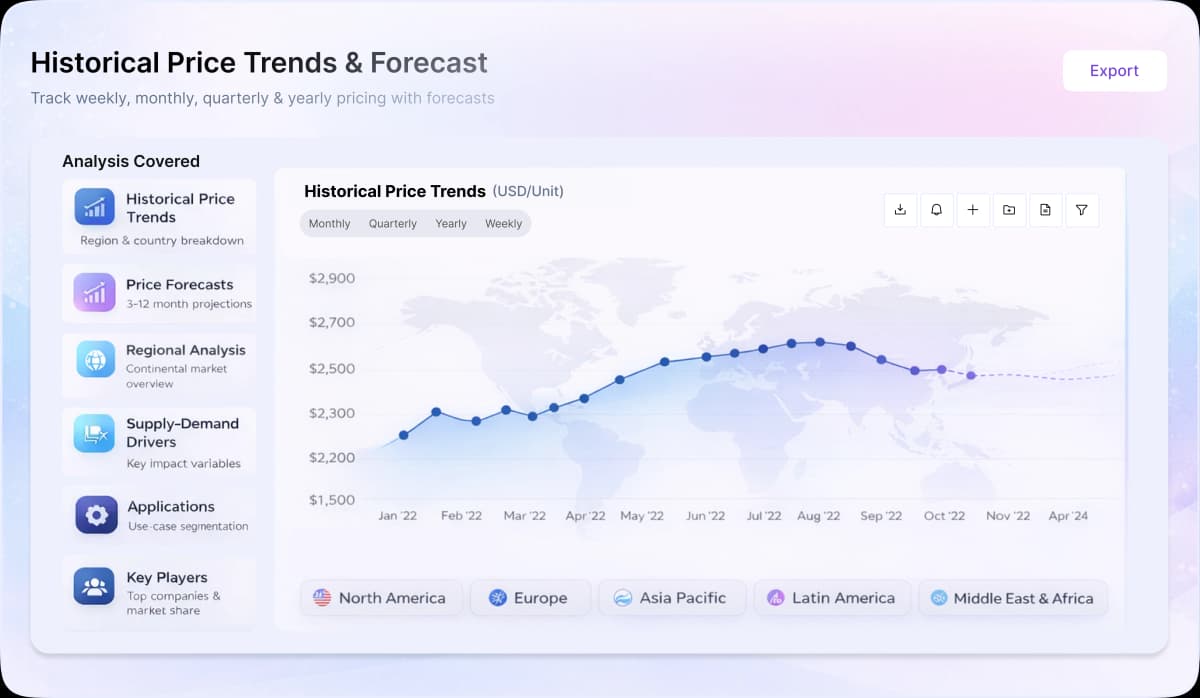
Turn price intelligence into action with the Procurement Resource Database. Log in or subscribe to unlock live price trends, historical charts, supplier databases, cost curves, and analyst-backed insights across chemicals, agriculture, energy, packaging, and more. Use these tools to benchmark your contracts, plan budgets with confidence, and stay ahead of market moves on every product you buy.
0
+Products
0
+Regions
0
+Subscriptions
| Product | Category | Region | Price | Last Updated Month |
| Polypropylene Talc Filled (PPTF) | Packaging | United Kingdom | 751 USD/MT | July 2024 |
| Polypropylene Talc Filled (PPTF) | Packaging | United Kingdom | 739 USD/MT | December 2024 |
Stay updated with the latest Polypropylene Talc Filled (PPTF) prices, historical data, and tailored regional analysis
In the second half of 2024, the Polypropylene Talc Filled (PPTF) price curve exhibited fluctuating movements in the United Kingdom. Prices stood at approximately 751 USD/MT (CIF) in July and around 739 USD/MT in December. The Polypropylene Talc Filled (PPTF) price analysis indicated that its trajectory closely followed that of polypropylene, a major feedstock material.
At the beginning of this period, prices declined due to supply disruptions caused by heavy rains, which made the market cautious. However, as the quarter progressed, prices fluctuated, experiencing a modest increase after a period of stability. In the final two months of the quarter, prices exhibited an upward trend, supported by rising demand, particularly from the packaging industry, as holiday-season buying activity increased.
Polypropylene talc filled (PPTF) is a composite material that combines polypropylene with talc to enhance its properties. The addition of talc increases rigidity, impact resistance, and thermal stability, making PPTF suitable for various applications. It is widely used in the automotive industry for both interior and exterior components, where it contributes to lightweight design and improved aesthetics. PPTF is also popular in packaging, consumer products, and household appliances due to its excellent surface finish and processability. This versatile material provides a cost-effective solution while maintaining high performance and durability in demanding environments.
Noble Polymers, KINGFA, Polystar Engineering Plastics (Shanghai), Plastics Group of America, Europlas
CurrencyUS$ (Data can also be provided in local currency)
Supplier Database AvailabilityYes
Customization ScopeThe report can be customized as per the requirements of the customer
Post-Sale Analyst Support360-degree analyst support after report delivery
Note: Our supplier search experts can assist your procurement teams in compiling and validating a list of suppliers indicating they have products, services, and capabilities that meet your company's needs.
Polypropylene talc filled (PPTF) is a composite material created by incorporating talc into polypropylene. This enhancement improves the material's rigidity, impact resistance, and thermal stability, making it suitable for various industrial applications. PPTF is commonly used in the automotive sector for interior and exterior components, offering weight reduction and improved aesthetics. It also finds applications in packaging, consumer goods, and household appliances due to its excellent surface finish and processability. The talc filler helps reduce the overall production costs while maintaining performance, making PPTF a versatile choice for manufacturers seeking a balance between quality and affordability.
Our Price Analysis Methodology
AVP - Strategy and Solutions
Leading procurement research solutions across chemicals, materials, and food & beverages, with expertise in price forecasting and market analytics.
Experience how Procurement Resource transforms raw material price data into clear, decision ready intelligence. Optimise your performance with reliable, expert market data and analysis. Schedule your demo today to experience a live walk-through where our experts will showcase interactive price charts, forecasted prices, and insights driving the prices for your key commodities, tailored to your workflows. Contact us now!
Our Team will be happy to assist you
We are just a text away
Still Need Help?
Europe & Africa
+44 7573 171117
Sales@procurementresource.com
USA & Canada
+1 307 363 1045
Sales@procurementresource.com
APAC
+91 8850629517
Sales@procurementresource.com
This report provides the cost structure of polystyrene production by the polymerization method.
Polypropylene Glycol Manufacturing Plant Project Report thoroughly focuses on every detail that encompasses the cost of manufacturing. Our extensive cost model meticulously covers breaking down expenses around raw materials, labour, technology, and manufacturing expenses. This enables precise cost structure optimization and helps in identifying effective strategies to reduce the overall cash cost of manufacturing.
Unlock full access to Procurement Resource's price databases, interactive charts, and short-term forecasts for thousands of commodities. Elevate your sourcing decisions by comparing prices across regions, downloading historical data, and layering in analyst-backed insights, all with our flexible plans that scale as your portfolio grows.
Still have any Questions
Contact Us



Price Trend Dashboard - What's Included
Price trends across a diverse portfolio of categories and products, spanning board to niche chemicals
Coverage extendable to grade-specific chemicals based on procurement requirements
Regular price tracking supported by robust historical datasets
News, policy updates, and key market drivers impacting price movements
Short-term and long-term price outlooks and forecasts
Supply–demand dynamics and capacity-driven market analysis

Track prices, market movements, supply-demand dynamics, and industry developments across hundreds of commodities through a centralized intelligence platform built for informed procurement decisions.

Understand market fluctuations using analyst-backed forecasts, historical pricing patterns, and evolving industry trends to strengthen sourcing strategies and budget planning.

Leverage cost models, pricing benchmarks, and procurement insights to evaluate purchasing opportunities, improve negotiations, and enhance operational efficiency.
Access region-specific price trends, trade activities, capacity changes, and supply chain developments influencing commodity markets worldwide.