

Udeesha Tomar
AVP - Strategy and Solutions
Leading procurement research solutions across chemicals, materials, and food & beverages, with expertise in price forecasting and market analytics.

| Product | Region | Incoterm Basis | Price | Last Updated Month |
|---|---|---|---|---|
| Polystyrene (GPPS) | Poland | SPOT | USD 1,955.00/MT | August 2026 |
| Polystyrene (GPPS) | Poland | SPOT | USD 1,770.00/MT | July 2026 |
Stay updated with the latest General Purpose Polystyrene (GPPS) prices, historical data, and tailored regional analysis
Asia
During the first quarter of 2025, the Polystyrene (GPPS) industry in Asia, particularly in China, was influenced by fluctuations in upstream costs, primarily driven by its main feedstock, styrene. The price trend of styrene remained volatile due to factors such as crude oil price variations and benzene availability. Additionally, the Lunar New Year impacted supply chains, leading to temporary production declines, which briefly pushed polystyrene prices upward. However, as supply chains stabilized, prices began to decline due to persistently weak demand.
The situation was further exacerbated by surplus inventories at ports, limiting any upward price movement. While polystyrene production continued at a steady pace, limited demand from downstream sectors, particularly EPS manufacturing, prevented any sustained price increase. By the end of the quarter, GPPS prices had settled at a lower level than at the beginning of the period.
Europe
The European market followed trends similar to those in Asia, with price movements driven by upstream cost pressures during the first quarter of 2025. Despite stable supply levels, fluctuating crude oil prices remained a key challenge. The benzene market exhibited mixed trends, with prices partially supported by constrained supply and scheduled maintenance at major production facilities. However, these factors were insufficient to counterbalance weak demand from downstream markets.
European producers struggled to pass rising costs onto consumers, which limited price growth for GPPS. Additionally, geopolitical uncertainties and weaker-than-expected consumer demand dampened market sentiment, fostering a cautious approach among producers and buyers. As in Asia, high inventory levels in Europe suppressed any significant price increases toward the end of the quarter.
North America
In North America, GPPS price trends during the first quarter of 2025 aligned with those in Asia and Europe. Upstream cost pressures, primarily from crude oil and benzene, were present but had a less pronounced impact due to distinct market dynamics. North American producers faced challenges in raising prices despite maintaining strong inventory levels.
The regional market was marked by stable production levels and a sluggish recovery in downstream demand, which affected both styrene and GPPS prices. As seen in other regions, the North American market outlook suggested continued price volatility, influenced by external factors such as crude oil fluctuations and the ongoing supply-demand imbalance.
Analyst Insight
According to Procurement Resource, the polystyrene (GPPS) price curve is expected to remain influenced by upstream pricing trends and inventory levels in the coming months, exhibiting an oscillating pattern.
Need Latest Polystyrene (GPPS) Prices?
Get real-time price assessments, periodic trends, forecasts and price driver insights across key global markets.
Our Clients































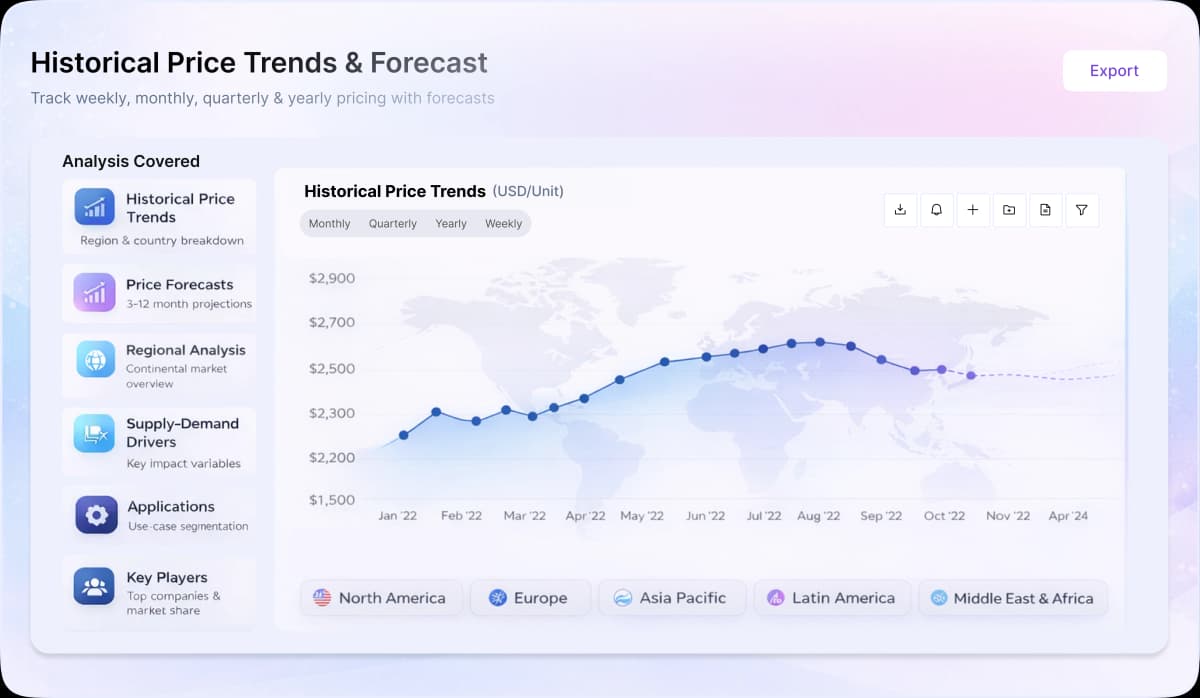
Turn price intelligence into action with the Procurement Resource Database. Log in or subscribe to unlock live price trends, historical charts, supplier databases, cost curves, and analyst-backed insights across chemicals, agriculture, energy, packaging, and more. Use these tools to benchmark your contracts, plan budgets with confidence, and stay ahead of market moves on every product you buy.
0
+Products
0
+Regions
0
+Subscriptions
Asia
Polystyrene (GPPS) prices in Asia gradually declined throughout the second half of 2024. China, a major market player, experienced moderate price fluctuations with a downward trend during this period. Although the supply of styrene monomer remained stable, demand was weaker than expected, preventing any significant upward movement in prices. Some logistical challenges persisted, particularly during the monsoon season.
However, in the third quarter of 2024, polystyrene prices moved within a narrow range. In the fourth quarter of 2024, the upstream styrene market gradually declined due to falling crude oil prices. The polystyrene price curve followed the same trajectory, exhibiting a slight downward trend as the quarter progressed. However, market sentiment remained subdued, and no significant recovery was observed across the region.
Europe
Europe experienced a steady decline in demand for polystyrene during the second half of 2024. In Q3, an oversupply of the commodity, combined with reduced demand from key sectors such as automotive and construction, led to a gradual decrease in prices. High inventory levels and weak consumer sentiment made it challenging for producers to maintain profitability.
In Q4, demand did not recover, and prices continued on a downward trajectory. Additionally, the European polystyrene market faced further challenges due to competitive imports. While some stabilization was observed towards the end of the year, seasonal demand upticks did little to ease market pressure and had minimal impact on the polystyrene price trend.
North America
During the second half of 2024, the North American polystyrene market experienced significant price fluctuations. Slow demand from the packaging and construction industries, coupled with an oversupplied market, led to a steady decline in prices. Additionally, traders remained cautious in their purchasing behavior, anticipating further price drops.
Seasonal demand contributed to price stabilization, and some temporary upticks were observed due to pre-festive stocking. Support came from stable upstream costs and steady procurement activity from key sectors such as consumer goods and packaging, although occasional adjustments resulted from logistical disruptions. By the end of the year, the market appeared more stable, with fewer sharp fluctuations.
General Purpose Polystyrene (GPPS) is a transparent thermoplastic polymer made from styrene monomers. It is known for its glass-like clarity, rigidity, and electrical insulating properties. GPPS is widely used in various applications, including packaging materials, disposable foodservice products, medical devices, electronic components, stationery, toys, and more. Its versatility, ease of molding, and affordability make it a popular choice in industries requiring transparent or rigid materials.
(C8H8)n
Packaging, Food services, Stationary, Automotive, Custom Packaging, Electronics, Medical devices
SABIC, Total, LG Chem, BASF SE, INEOS Styrolution Group GmbH
CurrencyUS$ (Data can also be provided in local currency)
Supplier Database AvailabilityYes
Customization ScopeThe report can be customized as per the requirements of the customer
Post-Sale Analyst Support360-degree analyst support after report delivery
Note: Our supplier search experts can assist your procurement teams in compiling and validating a list of suppliers indicating they have products, services, and capabilities that meet your company's needs.
Our Price Analysis Methodology
AVP - Strategy and Solutions
Leading procurement research solutions across chemicals, materials, and food & beverages, with expertise in price forecasting and market analytics.
Experience how Procurement Resource transforms raw material price data into clear, decision ready intelligence. Optimise your performance with reliable, expert market data and analysis. Schedule your demo today to experience a live walk-through where our experts will showcase interactive price charts, forecasted prices, and insights driving the prices for your key commodities, tailored to your workflows. Contact us now!
Our Team will be happy to assist you
We are just a text away
Still Need Help?
This report provides the cost structure of polystyrene production by the polymerization method.
Polyacrylamide Manufacturing Plant Project Report thoroughly focuses on every detail that encompasses the cost of manufacturing. Our extensive cost model meticulously covers breaking down expenses around raw materials, labour, technology, and manufacturing expenses. This enables precise cost structure optimization and helps in identifying effective strategies to reduce the overall cash cost of manufacturing.
Unlock full access to Procurement Resource's price databases, interactive charts, and short-term forecasts for thousands of commodities. Elevate your sourcing decisions by comparing prices across regions, downloading historical data, and layering in analyst-backed insights, all with our flexible plans that scale as your portfolio grows.
Still have any Questions
Contact Us



Price Trend Dashboard - What's Included
Price trends across a diverse portfolio of categories and products, spanning board to niche chemicals
Coverage extendable to grade-specific chemicals based on procurement requirements
Regular price tracking supported by robust historical datasets
News, policy updates, and key market drivers impacting price movements
Short-term and long-term price outlooks and forecasts
Supply–demand dynamics and capacity-driven market analysis

Track prices, market movements, supply-demand dynamics, and industry developments across hundreds of commodities through a centralized intelligence platform built for informed procurement decisions.

Understand market fluctuations using analyst-backed forecasts, historical pricing patterns, and evolving industry trends to strengthen sourcing strategies and budget planning.

Leverage cost models, pricing benchmarks, and procurement insights to evaluate purchasing opportunities, improve negotiations, and enhance operational efficiency.
Access region-specific price trends, trade activities, capacity changes, and supply chain developments influencing commodity markets worldwide.

.webp&w=1080&q=75)