

















Recycled Polypropylene (rPP) Price Trend Analysis 2026: Market Insights, Latest News, Price Drivers, Historical Prices & Supply Demand Analysis

Udeesha Tomar profile photo
Written ByUdeesha Tomar

Procurement Resource Database

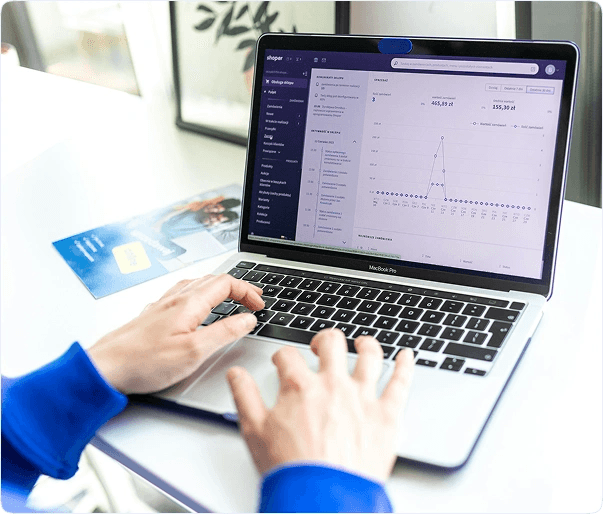
Laptop screen

Turn price intelligence into action with the Procurement Resource Database. Log in or subscribe to unlock live price trends, historical charts, supplier databases, cost curves, and analyst-backed insights across chemicals, agriculture, energy, packaging, and more. Use these tools to benchmark your contracts, plan budgets with confidence, and stay ahead of market moves on every product you buy.

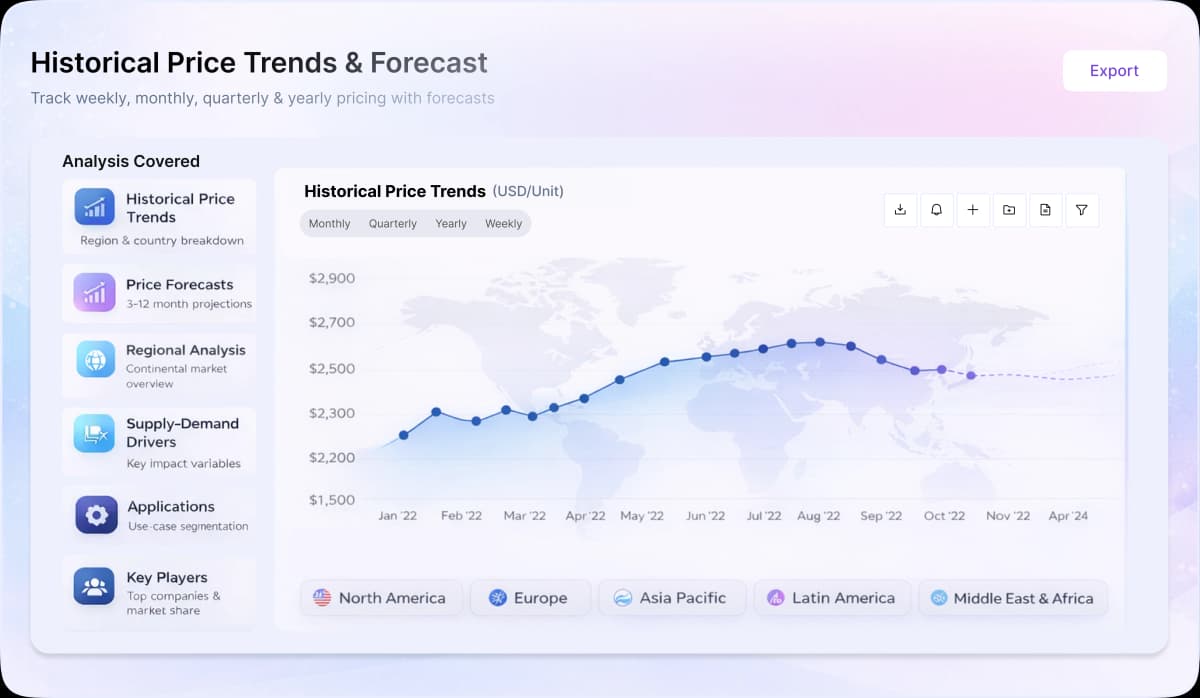
Recycled Polypropylene (rPP) Dashboard Inclusions

Recycled Polypropylene (rPP) Price Dasboard

0

+

Products

0

+

Regions

0

+

Subscriptions

About Recycled Polypropylene (rPP)

Recycled polypropylene (rPP) is polypropylene recovered from post consumer or post industrial waste streams, cleaned and reprocessed into pellets or compounds for reuse. It retains much of the base properties of virgin polypropylene but with variable mechanical and thermal performance depending on feedstock quality and processing. It is sourced from packaging waste, automotive parts, household goods, and industrial scrap, and reintroduced into manufacturing as a lower cost, lower carbon alternative to virgin resin.

Recycled Polypropylene (rPP) Product Detail

Hs Code
3902
Chemical Formula

(C3H6)n

Cas Number
9003 07 0
Molecular Weight
42.08 g/mol
Supplier Database

Veolia, LyondellBasell, Pure Cycle, Repsol, KW Plastics, MBA Polymers Inc., NUREL SA

Synonyms

Recycled polypropylene, rPP, regenerated polypropylene, reprocessed polypropylene resin.

Regional Coverage

Asia Pacific

China, India, Indonesia, Pakistan, Bangladesh, Japan, Philippines, Vietnam, Iran, Thailand, South Korea, Iraq, Saudi Arabia, Malaysia, Nepal, Taiwan, Sri Lanka, UAE, Israel, Hongkong, Singapore, Oman, Kuwait, Qatar, Australia, and New Zealand

Europe

Germany, France, United Kingdom, Italy, Spain, Russia, Turkey, Netherlands, Poland, Sweden, Belgium, Austria, Ireland Switzerland, Norway, Denmark, Romania, Finland, Czech Republic, Portugal and Greece

North America

United States and Canada

Latin America

Brazil, Mexico, Argentina, Columbia, Chile, Ecuador, and Peru

Africa

South Africa, Nigeria, Egypt, Algeria, Morocco

CurrencyUS$ (Data can also be provided in local currency)

Supplier Database AvailabilityYes

Customization ScopeThe report can be customized as per the requirements of the customer

Post-Sale Analyst Support360-degree analyst support after report delivery

Note: Our supplier search experts can assist your procurement teams in compiling and validating a list of suppliers indicating they have products, services, and capabilities that meet your company's needs.

Production Process

Recycled polypropylene is made by collecting PP waste, sorting and cleaning it to remove contaminants, shredding or granulating it, melting and filtering the material, and then pelletizing or compounding it into reusable resin. Advanced processes include mechanical recycling with deodorization and additive incorporation to improve quality.

Recycled Polypropylene (rPP) Industrial Uses

Recycled polypropylene (rPP) is widely used in packaging (bottles, caps, containers), automotive components (bumper systems, trim), consumer goods (storage containers, toys), construction products (pipes, fittings), textiles, furniture, and various industrial equipment parts where durability and chemical resistance are needed.

Frequently Asked Questions

During Q1 2026, recycled polypropylene (rPP) prices remained generally firm across North America and parts of Asia as recyclers faced tight feedstock availability, rising sorting and processing costs, and growing demand linked to recycled-content commitments. In Europe, prices were comparatively stable as weaker manufacturing activity and cautious purchasing offset cost inflation. Collection rates, energy costs, and recycled-content requirements continued to support recycler selling prices despite mixed downstream demand.
The Recycled Polypropylene (rPP) outlook for 2026 shows moderate growth momentum, driven by sustainability mandates and brand commitments to increase recycled content. While pricing may vary regionally, demand is expected to stabilize or improve as policy frameworks and consumer preferences boost circular materials adoption. Evolving recycling technologies may improve feedstock quality and expand application range.
Recycled polypropylene prices in Q1 2026 were influenced primarily by feedstock availability, collection rates, sorting costs, and demand for recycled-content materials. Limited availability of high-quality polypropylene waste streams increased recycler procurement costs, while labor, energy, and processing expenses remained elevated. Virgin polypropylene pricing also affected market sentiment. Shipping interruptions tied to the outbreak of conflict at the end of February contributed to higher operating, transport and supply costs, which recyclers partially passed into pellet prices. Although end use demand was still muted, these cost pressures supported upward movement in rPP pricing.
Major participants in the recycled polypropylene market include recyclers and circular-material companies such as Berry Global, Banyan Nation, Veolia, PureCycle Technologies, MBA Polymers, and Indorama Ventures. These companies are expanding mechanical and advanced recycling capacity to supply higher-quality recycled polypropylene for packaging, automotive, consumer goods, and industrial applications.
In January 2026, INEOS Olefins & Polymers Europe launched Recycl-IN rPP1025C, a new hybrid polypropylene grade containing 70% recycled material for contact-sensitive cosmetics packaging. The grade is designed for screw caps, jars, lids, mascara parts, deodorant roller balls, and dispenser components. INEOS stated it offers a 35% lower carbon footprint while maintaining processability and mechanical properties comparable to virgin PP.
Recycled polypropylene helps companies reduce dependence on virgin fossil-based resin, lower plastic waste, and improve packaging sustainability claims. It can reduce greenhouse gas emissions and carbon footprint when used in place of virgin PP, especially in packaging and consumer products. High-quality rPP grades can also maintain good processability and mechanical performance, helping brands meet recycled-content targets without major changes to existing manufacturing lines.
In April 2026, India amended its Plastic Waste Management Rules to make the use of recycled plastic in packaging mandatory. Producers, importers, and brand owners must incorporate, and label recycled plastic content in packaging, boosting demand for rPP and other recycled resins as compliance drivers expand in the packaged goods sector.
Demand for recycled polypropylene is driven primarily by packaging, automotive components, consumer goods, industrial containers, and household products. Packaging remains the largest growth segment as brand owners increase recycled-content usage to meet regulatory requirements and sustainability targets. Automotive manufacturers also continue incorporating rPP into non-structural components to support circular-economy goals and reduce vehicle emissions.
Procurement Resource employs a structured methodology combining primary research, secondary market data, analytical models, and validation processes to assess Recycled Polypropylene (rPP) prices and trends. Price evaluations incorporate supply-demand dynamics, feedstock movements, trade flows, and value chain analysis, supported by continuous market monitoring to ensure accurate and reliable insights.

About the Author

Udeesha Tomar profile photo

Udeesha Tomar

AVP - Strategy and Solutions

Leading procurement research solutions across chemicals, materials, and food & beverages, with expertise in price forecasting and market analytics.

Our Price Analysis Methodology

Schedule Demo

Schedule a demo

Experience how Procurement Resource transforms raw material price data into clear, decision ready intelligence. Optimise your performance with reliable, expert market data and analysis. Schedule your demo today to experience a live walk-through where our experts will showcase interactive price charts, forecasted prices, and insights driving the prices for your key commodities, tailored to your workflows. Contact us now!

Our Team will be happy to assist you

We are just a text away

+1

Still Need Help?

Europe & Africa

+44 7573 171117

[email protected]

USA & Canada

+1 307 363 1045

[email protected]

APAC

+91 8850629517

[email protected]

Unlock full access to Procurement Resource's price databases, interactive charts, and short-term forecasts for thousands of commodities. Elevate your sourcing decisions by comparing prices across regions, downloading historical data, and layering in analyst-backed insights, all with our flexible plans that scale as your portfolio grows.

Still have any Questions

Contact Us
Mastercard
Wire
VISA
Stripe

Why Procurement Database

Commodity Market Intelligence

Commodity Market Intelligence

Track prices, market movements, supply-demand dynamics, and industry developments across hundreds of commodities through a centralized intelligence platform built for informed procurement decisions.

Price Forecasts & Market Outlooks

Price Forecasts & Market Outlooks

Understand market fluctuations using analyst-backed forecasts, historical pricing patterns, and evolving industry trends to strengthen sourcing strategies and budget planning.

Cost & Procurement Optimization

Cost & Procurement Optimization

Leverage cost models, pricing benchmarks, and procurement insights to evaluate purchasing opportunities, improve negotiations, and enhance operational efficiency.

Global & Regional Market Insights

Global & Regional Market Insights

Access region-specific price trends, trade activities, capacity changes, and supply chain developments influencing commodity markets worldwide.

1/4