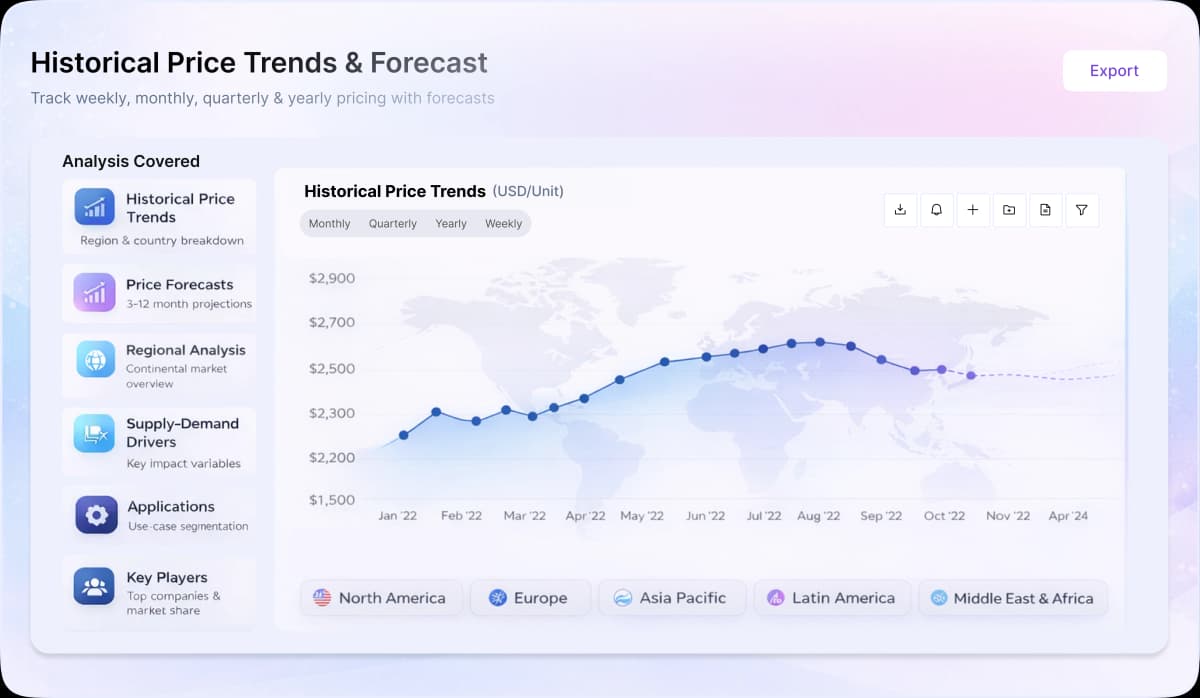
In the first half of 2025, red pepper oleoresin prices moved upward due to a combination of supply constraints and strong international demand. Jamaica, one of the key red pepper producers, faced significant production setbacks following Hurricane Beryl in mid-2024. The storm wiped out large portions of the crop, and although recovery efforts were underway with better planting techniques and improved seed quality, output remained below normal levels.
Farmers reported improved yields per plant thanks to new methods introduced through FAO training programs, but these gains were not enough to offset overall losses. The limited availability of fresh, high-quality red peppers restricted the volume of raw material entering the oleoresin production stream.
At the same time, global demand for red pepper oleoresin remained strong, driven by its use in the food processing, cosmetics, and pharmaceutical sectors. In Vietnam, reduced cultivation areas and erratic weather also affected overall pepper output, indirectly contributing to tighter supply conditions in the global red pepper market.
With both major producing regions facing production hurdles, exporters and processors faced higher procurement costs. Many farmers chose to store harvested peppers rather than sell immediately, anticipating continued price increases. This strategy further tightened availability and pushed prices higher through the first half of the year.