

Udeesha Tomar
AVP - Strategy and Solutions
Leading procurement research solutions across chemicals, materials, and food & beverages, with expertise in price forecasting and market analytics.

Sodium percarbonate prices were observed to be fluctuating throughout the second half of the year 2023. In the Asian market, particularly China, the third quarter was still a little positively inclined as the feedstock soda ash and hydrogen peroxide costs showed an uptick during this time.
The manufacturing costs increased for manufacturers which hindered them from reducing the prices despite humble demands. Moving forward, however, the geopolitical uncertainties and other major events in the fourth quarter didn’t let the demands improve. Especially for the offshore trade the orders declined significantly from the European markets. This was happening in the wake of the rising Israel and Hamas conflict.
The European region was still coming to terms with the Russia and Ukraine war when the Red Sea crisis emerged. Suez Canal, the major maritime gateway between Europe and Asia, saw a significant decline in vessel volumes. Thus, the otherwise expected rise in sodium percarbonate demands could not be seen. Prices took a serious downfall in the final quarter of 2023. Overall, the markets remained anchored for most of the H2’23.
Related Report
Need Latest Sodium Percarbonate Prices?
Get real-time price assessments, periodic trends, forecasts and price driver insights across key global markets.
Our Clients























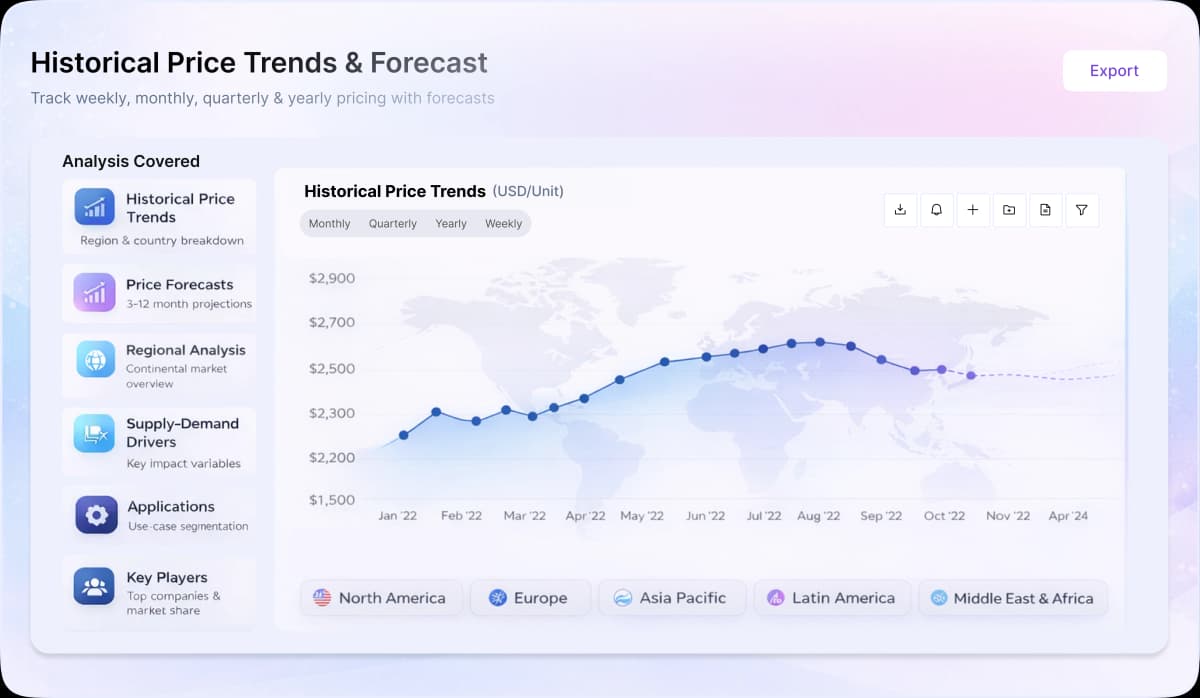
Turn price intelligence into action with the Procurement Resource Database. Log in or subscribe to unlock live price trends, historical charts, supplier databases, cost curves, and analyst-backed insights across chemicals, agriculture, energy, packaging, and more. Use these tools to benchmark your contracts, plan budgets with confidence, and stay ahead of market moves on every product you buy.
0
+Products
0
+Regions
0
+Subscriptions
Sodium Percarbonate is made via the reaction of hydrogen peroxide and sodium carbonate, so the price trend are also largely determined by the market behavior of the feedstock chemicals. Both hydrogen peroxide and sodium carbonate experienced fluctuating price trend throughout the discussed period, causing the market trend for Sodium Percarbonate to oscillate simultaneously.
At the beginning of the first quarter, the existing inventories could easily cater to the market demands from various downstream industries like detergent, anti-freezing, chemical, bleaching, etc. For a long time, there were no new queries, and the prices swung low. It was around the change of quarters that the Sodium Percarbonate market picked up a little with the continuous movement of stocks. Still, soon enough, the supplies again saturated the market, returning to the original price position. Overall, the market wavered at the lower end of the curve.
Sodium Percarbonate appears as a colourless, crystalline solid. It is formed by the addition of sodium carbonate and hydrogen peroxide. It is a hygroscopic and water-soluble solid. It is often abbreviated as SPC and contains 32.5% by weight of hydrogen peroxide. Sodium Percarbonate is often utilised in some eco-friendly bleaches.
C2H6Na4O12
Detergent industry, Antifreezing, Agriculture industry, Bleaching, Oxidising/reducing agents, Plating agents and surface treating agents, Chemical synthesis, Toothpastes
Oxyper, Perdox, 15630-89-4, Sodium carbonate peroxide, FB Sodium percarbonate
Acros Organics, OCI Peroxygens LLC, PJSC Khimprom, Ak-Kim Kimya, Hodogaya Chemical Co., Ltd
CurrencyUS$ (Data can also be provided in local currency)
Supplier Database AvailabilityYes
Customization ScopeThe report can be customized as per the requirements of the customer
Post-Sale Analyst Support360-degree analyst support after report delivery
Note: Our supplier search experts can assist your procurement teams in compiling and validating a list of suppliers indicating they have products, services, and capabilities that meet your company's needs.
Sodium Percarbonate is often made by reacting anhydrous or hydrated sodium carbonate (with 75 to 90% by wt. Na2 CO3) with a concentrated hydrogen peroxide solution of 50-80% by wt. and evaporating the small quantities of liberated water during the reaction.
Our Price Analysis Methodology
AVP - Strategy and Solutions
Leading procurement research solutions across chemicals, materials, and food & beverages, with expertise in price forecasting and market analytics.
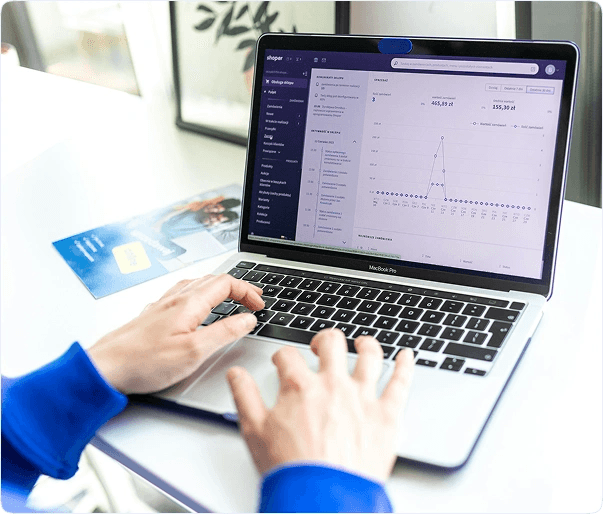
Experience how Procurement Resource transforms raw material price data into clear, decision ready intelligence. Optimise your performance with reliable, expert market data and analysis. Schedule your demo today to experience a live walk-through where our experts will showcase interactive price charts, forecasted prices, and insights driving the prices for your key commodities, tailored to your workflows. Contact us now!
Our Team will be happy to assist you
We are just a text away
Still Need Help?
Unlock full access to Procurement Resource's price databases, interactive charts, and short-term forecasts for thousands of commodities. Elevate your sourcing decisions by comparing prices across regions, downloading historical data, and layering in analyst-backed insights, all with our flexible plans that scale as your portfolio grows.
Still have any Questions
Contact Us

Price Trend Dashboard - What's Included
Price trends across a diverse portfolio of categories and products, spanning board to niche chemicals
Coverage extendable to grade-specific chemicals based on procurement requirements
Regular price tracking supported by robust historical datasets
News, policy updates, and key market drivers impacting price movements
Short-term and long-term price outlooks and forecasts
Supply–demand dynamics and capacity-driven market analysis

Track prices, market movements, supply-demand dynamics, and industry developments across hundreds of commodities through a centralized intelligence platform built for informed procurement decisions.

Understand market fluctuations using analyst-backed forecasts, historical pricing patterns, and evolving industry trends to strengthen sourcing strategies and budget planning.

Leverage cost models, pricing benchmarks, and procurement insights to evaluate purchasing opportunities, improve negotiations, and enhance operational efficiency.
Access region-specific price trends, trade activities, capacity changes, and supply chain developments influencing commodity markets worldwide.