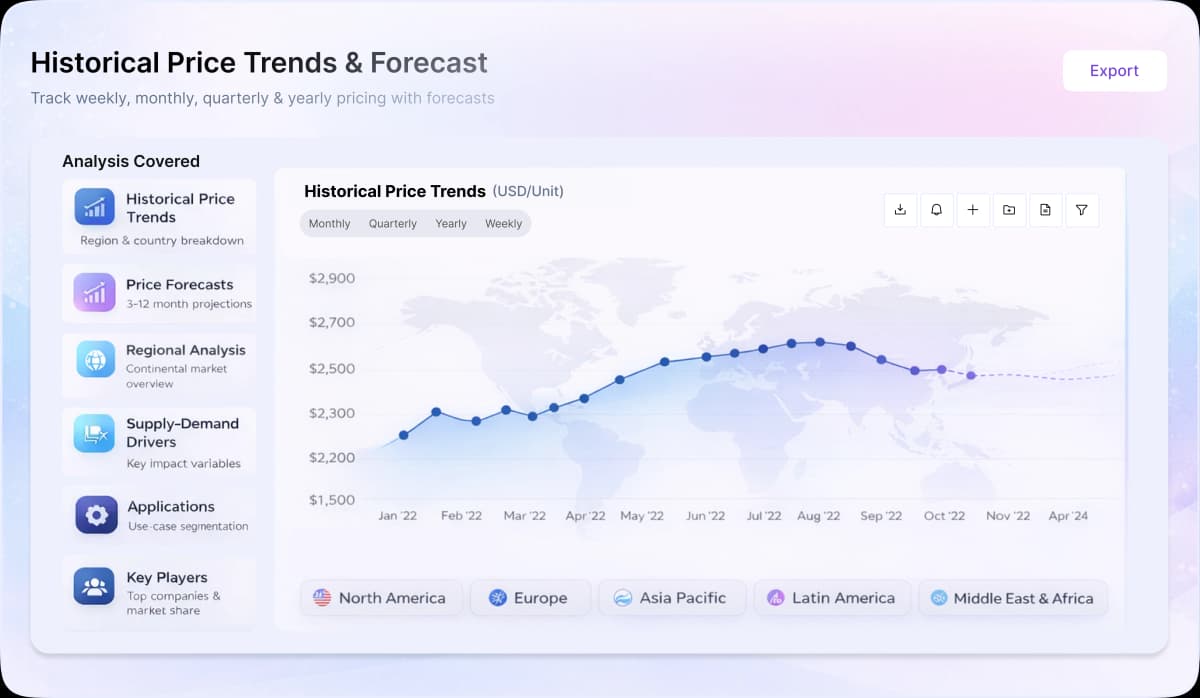
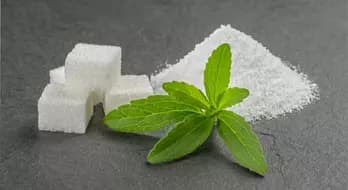
- Stevia prices remained steady to firm in Q1’26, supported by sugar-reduction demand, stable food and beverage offtake, and higher delivered-cost pressure.
- Feedstock costs supported prices as stevia leaf availability, extraction expenses, purification costs, and freight charges raised production and replacement costs for steviol glycoside suppliers.
- Downstream demand improved from beverages, functional foods, dairy, supplements, and low-sugar formulations, with Asia and North America showing stronger buying than Europe.
Stevia prices followed a steady-to-firm trend in Q1’26, with Asia supported by stronger food and beverage manufacturing and steady procurement from natural sweetener buyers. China’s food manufacturing output rose 10.6% year on year during January-February, while liquor, beverage, and refined tea manufacturing increased 4.3%, supporting stevia consumption in beverage and packaged food applications. Europe remained supported by sugar-reduction regulation and reformulation activity, though cautious food-sector buying limited sharper gains. In North America, demand stayed firm as U.S. retail and food services sales rose 1.7% in March, supporting procurement from beverage, dairy, confectionery, and supplement producers. The Strait of Hormuz disruption added limited freight and fuel pressure, as the route carries nearly one-quarter of global seaborne oil trade, but it was not the main price driver.