Sugar 16 is a form of raw, unrefined sugar primarily used by the food and beverage industries. During the second half of the year, its prices were closely linked to the broader sugar market. Significant market shifts occurred in the sugar sector, with China and India playing particularly influential roles.
China experienced a decline in sugar prices, mainly due to an influx of low-cost raw sugar imports. While the country’s overall demand remained relatively stable, imports surged significantly. Domestic sales continued to rise, and demand for sugar in China remained steady, despite fluctuations in import volumes.
In contrast, India faced a different set of challenges. Unseasonal rains and high temperatures created severe weather conditions that affected sugarcane production in key regions like Uttar Pradesh. The resulting decline in sugar yields impacted overall production forecasts. However, strong demand from the food processing industry helped offset weaker retail consumption, which was affected by inflationary pressures in the consumer goods sector.
Global sugar supply was constrained due to adverse weather patterns in Brazil and India, where a portion of sugarcane was diverted for ethanol production. Despite these difficulties, supply remained sufficient to prevent major shortages. As a result, prices rose sharply before stabilizing towards the end of the year.
Analyst Insight
According to Procurement Resource, the sugar 16 prices are expected to remain under check as desirable inventory stocks are available for the coming months.
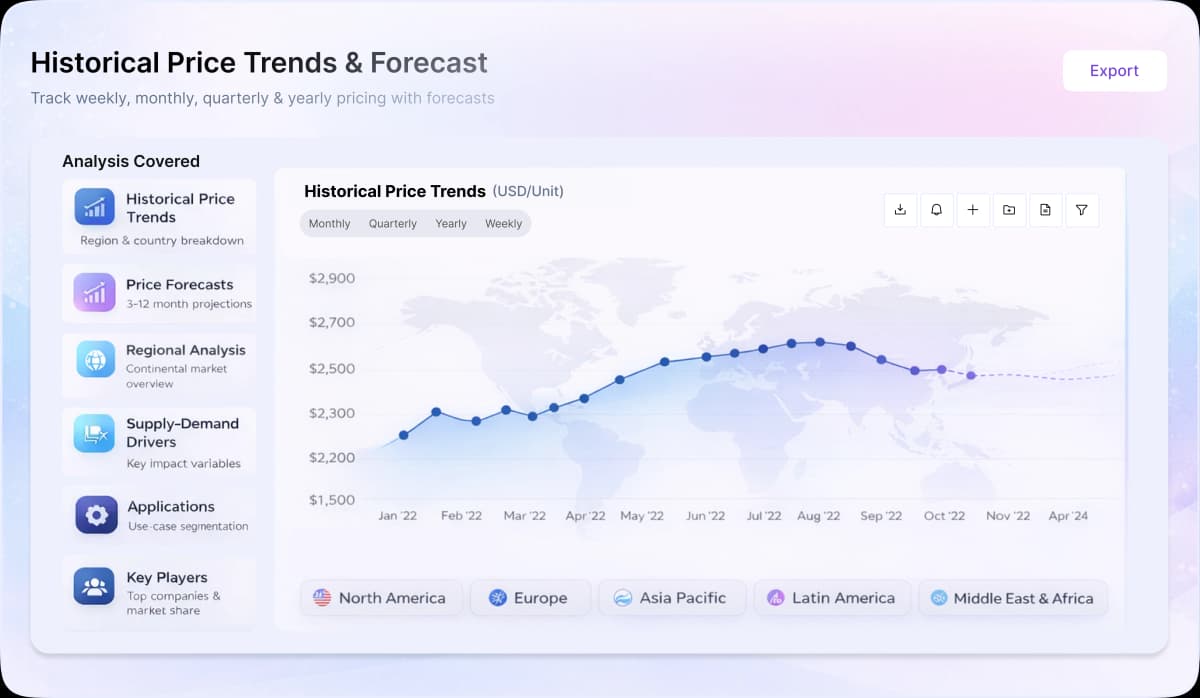
Procurement Resource provides latest prices of Sugar 16. Each price database is tied to a user-friendly graphing tool dating back to 2014, which provides a range of functionalities: configuration of price series over user defined time period; comparison of product movements across countries; customisation of price currencies and unit; extraction of price data as excel files to be used offline.