Soybean Meal Maintains 13% Export Share
USDA trade data confirms soybean meal held a stable 13% share of U.S. agricultural exports in 2025 as a semi-processed good, reflecting consistent global demand for the product.

USDA trade data confirms soybean meal held a stable 13% share of U.S. agricultural exports in 2025 as a semi-processed good, reflecting consistent global demand for the product.
Demand for U.S. soybean meal is increasing as exporters diversify away from the uncertain Chinese soybean market. The export trend supports meal prices and reduces reliance on single buyers.
Tanespimycin, also known as 17-AAG, is a semi synthetic HSP90 inhibitor derived from geldanamycin, an ansamycin antibiotic obtained by fermentation of Streptomyces hygroscopicus and then chemically modified. It advanced to Phase III trials in multiple myeloma, but development was halted in 2010 and it was never approved for human use. Supply today serves research and preclinical work only, so its cost structure reflects fermentation and multi step synthesis complexity rather than any commercial pharmaceutical demand cycle.
Across H1 2026, Tanespimycin values held a firm tone, consistent with a compound produced in small research scale campaigns by a narrow set of specialist suppliers. Producers continued to prioritise value realisation over volume, reflecting poor aqueous solubility, demanding purification requirements, and the capital intensity of fermentation based routes. Availability for laboratory and research procurement remained adequate, with no reported capacity additions or withdrawals. In Asia, suppliers across China and India quoted at elevated levels relative to recent ranges. European buyers absorbed logistical surcharges and cold chain handling premiums that sustained regional differentials, while North American demand tracked oncology research funding and HSP90 focused programme activity rather than therapeutic volume.
Analyst Insight
According to Procurement Resource, Tanespimycin prices should stay firm through H2 2026, set by research scale synthesis costs rather than any commercial therapeutic demand.
Related Report
Need Latest Tanespimycin Prices?
Get real-time price assessments, periodic trends, forecasts and price driver insights across key global markets.
Our Clients






























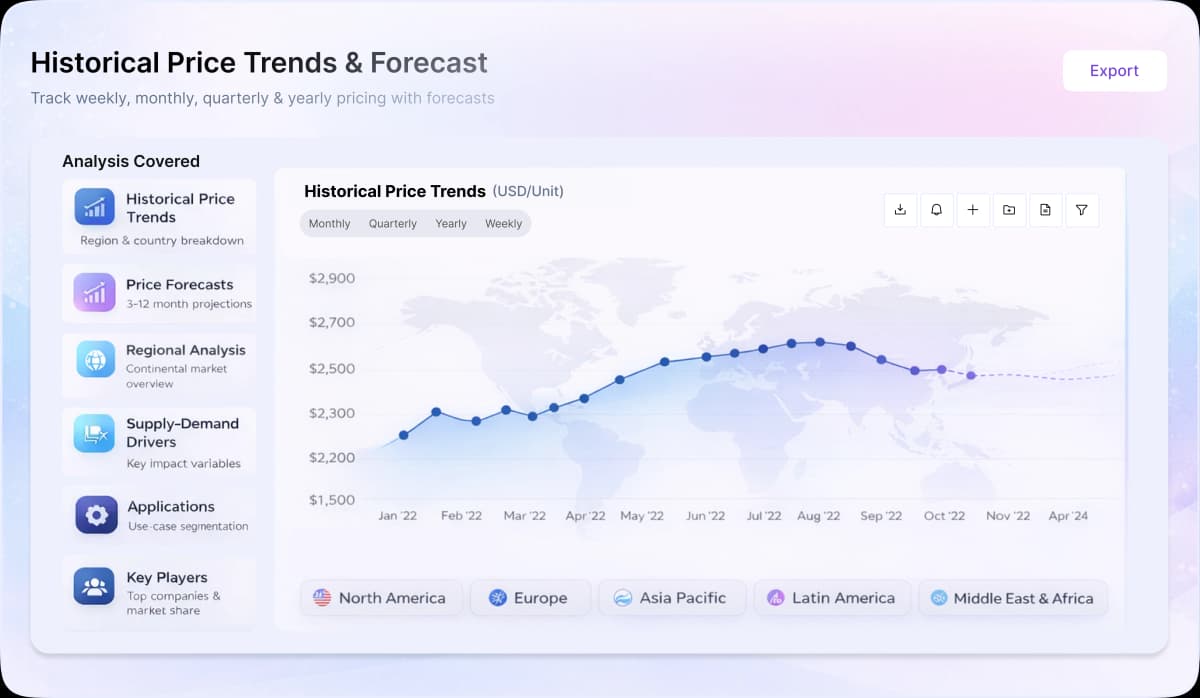
Turn price intelligence into action with the Procurement Resource Database. Log in or subscribe to unlock live price trends, historical charts, supplier databases, cost curves, and analyst-backed insights across chemicals, agriculture, energy, packaging, and more. Use these tools to benchmark your contracts, plan budgets with confidence, and stay ahead of market moves on every product you buy.
0
+Products
0
+Regions
0
+Subscriptions
During Q1’25, Tanespimycin prices showed a notable rebound across global markets after the sustained downward trend throughout 2024. The first quarter saw prices climb steadily as pharmaceutical manufacturers strategically limited production while demand from oncology treatment centres began to strengthen.
In North American markets, prices rose more aggressively than anticipated, influenced partly by changing trade dynamics following new tariff implementations. Manufacturers responded by holding back inventory, creating tighter supply conditions that supported the price recovery. Supply chain stakeholders reported increasing procurement challenges by late February.
Asian markets, particularly in China and India, experienced similar upward price movements, though with more regional variation. Production costs were impacted by agricultural feedstock volatility, as key raw material inputs used in Tanespimycin synthesis became more expensive. The correlation with agricultural commodity markets became evident as tightening corn supplies and farmers' reluctance to sell at lower prices affected the cost structure of pharmaceutical precursors.
European buyers faced steeper price increases than other regions during this period due to additional logistical complications and transportation costs. Pharmaceutical manufacturers cited narrowing margins throughout 2024 as justification for the Q1 price adjustments.
Tanespimycin is a benzoquinone antineoplastic antibiotic obtained from geldanamycin. It belongs to the class of antitumor antibiotics and is currently being studied in cancer treatment. It binds and inhibits the oncogenic signaling proteins HSP90, expressed in tumour cells. It is studied for the treatment of leukaemia, kidney tumors, etc.
C31H43N3O8
Pharmaceuticals, Research Studies
17-N-Allylamino-17-demethoxygeldanamycin, 17-AAG
Kosan Biosciences (Bristol-Myers Squibb)
CurrencyUS$ (Data can also be provided in local currency)
Supplier Database AvailabilityYes
Customization ScopeThe report can be customized as per the requirements of the customer
Post-Sale Analyst Support360-degree analyst support after report delivery
Note: Our supplier search experts can assist your procurement teams in compiling and validating a list of suppliers indicating they have products, services, and capabilities that meet your company's needs.
Tanespimycin is produced via fermentation of corn via multiple-step fermentation in fermenting reactors.
Our Price Analysis Methodology

Senior Business Insights Analyst
Delivering price trend analysis and procurement market insights at Procurement Resource, with expertise in identifying commodity patterns, supporting purchasing strategies, and improving cost efficiency through actionable market intelligence.
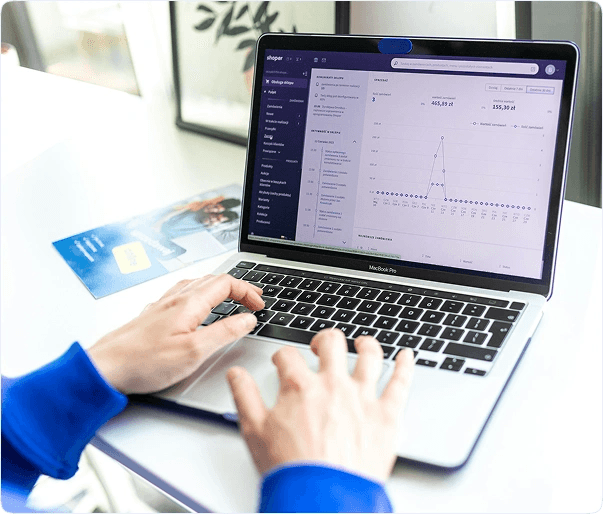
Experience how Procurement Resource transforms raw material price data into clear, decision ready intelligence. Optimise your performance with reliable, expert market data and analysis. Schedule your demo today to experience a live walk-through where our experts will showcase interactive price charts, forecasted prices, and insights driving the prices for your key commodities, tailored to your workflows. Contact us now!
Our Team will be happy to assist you
We are just a text away
Still Need Help?
Europe & Africa
+44 7573 171117
Sales@procurementresource.com
USA & Canada
+1 307 363 1045
Sales@procurementresource.com
APAC
+91 8850629517
Sales@procurementresource.com
Unlock full access to Procurement Resource's price databases, interactive charts, and short-term forecasts for thousands of commodities. Elevate your sourcing decisions by comparing prices across regions, downloading historical data, and layering in analyst-backed insights, all with our flexible plans that scale as your portfolio grows.
Still have any Questions
Contact Us



Price Trend Dashboard - What's Included
Price trends across a diverse portfolio of categories and products, spanning board to niche chemicals
Coverage extendable to grade-specific chemicals based on procurement requirements
Regular price tracking supported by robust historical datasets
News, policy updates, and key market drivers impacting price movements
Short-term and long-term price outlooks and forecasts
Supply–demand dynamics and capacity-driven market analysis

Track prices, market movements, supply-demand dynamics, and industry developments across hundreds of commodities through a centralized intelligence platform built for informed procurement decisions.

Understand market fluctuations using analyst-backed forecasts, historical pricing patterns, and evolving industry trends to strengthen sourcing strategies and budget planning.

Leverage cost models, pricing benchmarks, and procurement insights to evaluate purchasing opportunities, improve negotiations, and enhance operational efficiency.
Access region-specific price trends, trade activities, capacity changes, and supply chain developments influencing commodity markets worldwide.
