

Udeesha Tomar
AVP - Strategy and Solutions
Leading procurement research solutions across chemicals, materials, and food & beverages, with expertise in price forecasting and market analytics.

Thallium Sulfate is a dense crystalline inorganic compound synthesised by reacting thallium metal with sulfuric acid, linking its economics to refined thallium and industrial sulfuric acid. Demand is concentrated in specialised segments, principally optical lenses, photoresistors, cathode ray tubes, and photocells serving aerospace and automotive electronics. Because thallium is recovered almost entirely as a byproduct of zinc smelting and coal processing, feedstock supply is structurally constrained and sensitive to mining dynamics and tightening controls on toxic heavy metals.
Through H1 2026, the market held a subdued and range bound posture shaped by cautious downstream purchasing and persistent regulatory headwinds. The opening months carried forward the restrained sentiment of late 2025 as environmental and safety authorities in key producing regions maintained restrictions on extraction and processing volumes, keeping feedstock lean. Automotive electronics manufacturers held conservative inventories amid component rationalisation, limiting spot activity. As the half progressed, modest firming in the wider specialty chemicals environment offered indirect support, tempered by the compound's narrow consumption base. Asian buyers favoured measured spot procurement over forward cover, while research purchasers in Europe and North America followed cautious strategies consistent with hazardous material handling obligations.
Analyst Insight
According to Procurement Resource, Thallium Sulfate prices should stay restrained through H2 2026, underpinned by niche but persistent demand from specialty optics and electronics. Constrained byproduct thallium recovery, stringent controls on toxic substance handling, and a limited commercial footprint will continue to cap upside and sustain cautious buyer behaviour across all major consuming regions.
Related Report
Need Latest Thallium Sulfate Prices?
Get real-time price assessments, periodic trends, forecasts and price driver insights across key global markets.
Our Clients






























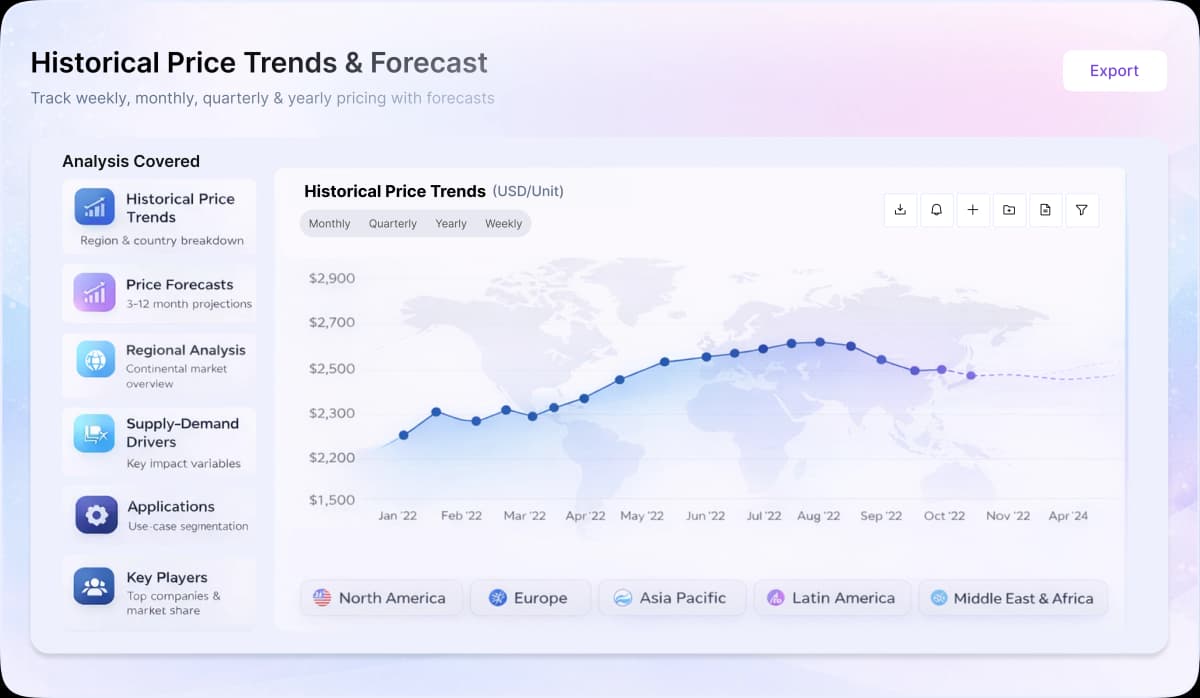
Turn price intelligence into action with the Procurement Resource Database. Log in or subscribe to unlock live price trends, historical charts, supplier databases, cost curves, and analyst-backed insights across chemicals, agriculture, energy, packaging, and more. Use these tools to benchmark your contracts, plan budgets with confidence, and stay ahead of market moves on every product you buy.
0
+Products
0
+Regions
0
+Subscriptions
In the second quarter of 2025, the Thallium Sulfate market showed a mixed trend, influenced by fluctuations in global industrial activity and changing demand across niche sectors. The quarter started on a weaker note due to subdued market sentiment and cautious purchasing activity, especially in regions with stricter environmental and regulatory controls on toxic substances. In the early weeks, limited downstream movement kept the market under pressure.
As the quarter progressed, conditions improved. Industrial demand picked up modestly, particularly from specialized applications in electronics and research labs. In some regions, better procurement activity and adjustments in supply supported a gradual rebound in prices. The recovery in broader chemical markets, including related segments like sulfuric acid, indirectly contributed to a more stable environment for Thallium Sulfate toward the end of the quarter.
Thallium Sulfate is a crystalline, colorless, and odorless solid that has little solubility in water. Because of its remarkable density, thallium sulfate is useful in several specific applications. Its main use is as an ingredient in the creation of optical lenses, photoresistors, and cathode ray tubes (CRTs). Thallium sulfate is extremely hazardous, and exposure to it can have serious health effects.
Tl2SO4
Cathode ray tubes, Optical lenses, Photoresistors
ProChem , American elements, Noah Chemicals, Chemdyes Corporation
CurrencyUS$ (Data can also be provided in local currency)
Supplier Database AvailabilityYes
Customization ScopeThe report can be customized as per the requirements of the customer
Post-Sale Analyst Support360-degree analyst support after report delivery
Note: Our supplier search experts can assist your procurement teams in compiling and validating a list of suppliers indicating they have products, services, and capabilities that meet your company's needs.
In this electrochemical synthesis, the thallium electrode follows a redox cycle in the presence of sulfuric acid, which serves as an electrolyte of the reaction. This reaction results in the formation of thallium sulfate.
Our Price Analysis Methodology
AVP - Strategy and Solutions
Leading procurement research solutions across chemicals, materials, and food & beverages, with expertise in price forecasting and market analytics.
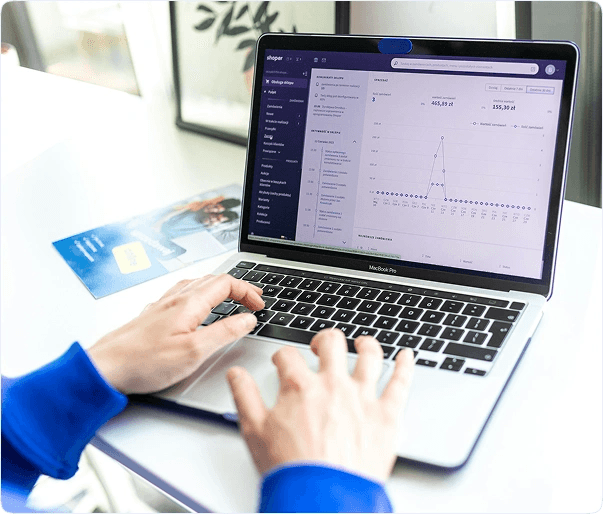
Experience how Procurement Resource transforms raw material price data into clear, decision ready intelligence. Optimise your performance with reliable, expert market data and analysis. Schedule your demo today to experience a live walk-through where our experts will showcase interactive price charts, forecasted prices, and insights driving the prices for your key commodities, tailored to your workflows. Contact us now!
Our Team will be happy to assist you
We are just a text away
Still Need Help?
This study analyzes Thallium Sulfate Production by the Chemical Reaction of Thallium Metal with Sulfuric Acid, covering manufacturing, process flow, operating expenses, and financial considerations.
Unlock full access to Procurement Resource's price databases, interactive charts, and short-term forecasts for thousands of commodities. Elevate your sourcing decisions by comparing prices across regions, downloading historical data, and layering in analyst-backed insights, all with our flexible plans that scale as your portfolio grows.
Still have any Questions
Contact Us



Price Trend Dashboard - What's Included
Price trends across a diverse portfolio of categories and products, spanning board to niche chemicals
Coverage extendable to grade-specific chemicals based on procurement requirements
Regular price tracking supported by robust historical datasets
News, policy updates, and key market drivers impacting price movements
Short-term and long-term price outlooks and forecasts
Supply–demand dynamics and capacity-driven market analysis

Track prices, market movements, supply-demand dynamics, and industry developments across hundreds of commodities through a centralized intelligence platform built for informed procurement decisions.

Understand market fluctuations using analyst-backed forecasts, historical pricing patterns, and evolving industry trends to strengthen sourcing strategies and budget planning.

Leverage cost models, pricing benchmarks, and procurement insights to evaluate purchasing opportunities, improve negotiations, and enhance operational efficiency.
Access region-specific price trends, trade activities, capacity changes, and supply chain developments influencing commodity markets worldwide.