Udeesha Tomar
AVP - Strategy and Solutions
Leading procurement research solutions across chemicals, materials, and food & beverages, with expertise in price forecasting and market analytics.

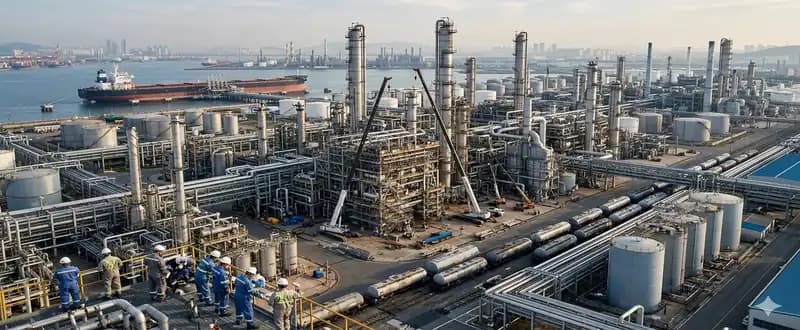
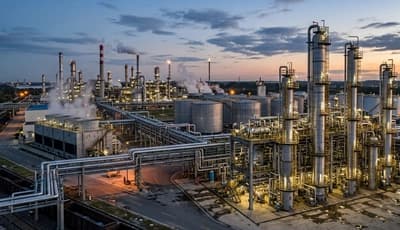
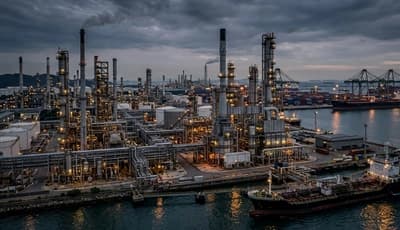
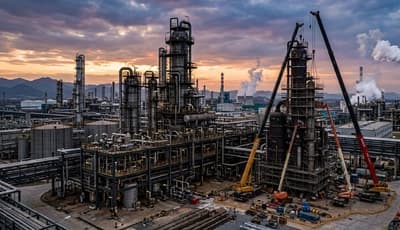
Ethylene buyers are dealing with sharply elevated prices and real supply rationing in May, as a feedstock crisis rooted in the Middle East conflict overrides the oversupply that had defined the market only months earlier. The shift has flipped the petrochemical chain from glut to scarcity and handed a clear advantage to producers with flexible, non naphtha feedstocks.
The driver is naphtha, the dominant cracker feedstock across Asia. After the blockade of the Strait of Hormuz disrupted the flow of crude and naphtha, prices spiked, and they remain far above year ago levels. Benchmark naphtha was last around 907.92 USD/T on May 19, 2026, a level that is up 65.27% compared to the same time last year. Because the Gulf corridor normally carries a large share of the world's naphtha, the loss of those cargoes pushed Asian crackers into a scramble for alternative supply and sent ethylene values sharply higher, with Northeast Asian prices having roughly doubled at the peak of the disruption.
The operational response has been severe. Several Asian steam crackers issued force majeure as feedstock supply tightened, and producers cut run rates to protect against shortages and negative margins. A major Singapore complex declared force majeure citing shipping and supply chain disruption, a leading South Korean producer planned to cut operating rates to a minimum of around sixty percent across its naphtha fed units, and other Korean operators reduced rates well below their earlier levels. Market sources indicated Chinese naphtha fed crackers would likely trim operations, possibly by around a fifth.
Request the Latest Naphtha Prices Data - Access Price Insights Now
The squeeze has reshaped competitive positions. Integrated producers and those able to draw on cheaper or long term feedstock supply have been better insulated, while non integrated naphtha based crackers have borne the brunt of the margin collapse. Producers with ethane flexibility have gained, and exports of United States ethane and naphtha to Asia have risen to records, supporting flexible feedstock operators in both the United States and China. Analysts have warned that if the Hormuz disruption persists into the second half of the year, naphtha could remain well above pre crisis levels, forcing many Asian crackers to run at a loss and lifting downstream plastic and chemical prices further.
For procurement, the environment demands caution rather than opportunism. Buyers of ethylene and its derivatives, including polyethylene, glycol, and styrene, should plan for elevated prices and the risk of further force majeure declarations, prioritise supply security over spot bargain hunting, and track naphtha, crude, and Hormuz shipping conditions as the variables that will determine when relief arrives.
AVP - Strategy and Solutions
Leading procurement research solutions across chemicals, materials, and food & beverages, with expertise in price forecasting and market analytics.


We are Just a Text away