Prakhar Panchbhaiya
Assistant Manager: Business Insights and Content
Supporting procurement teams with category intelligence, market research, price trends, supply-demand analysis, and strategic sourcing insights across key industries.

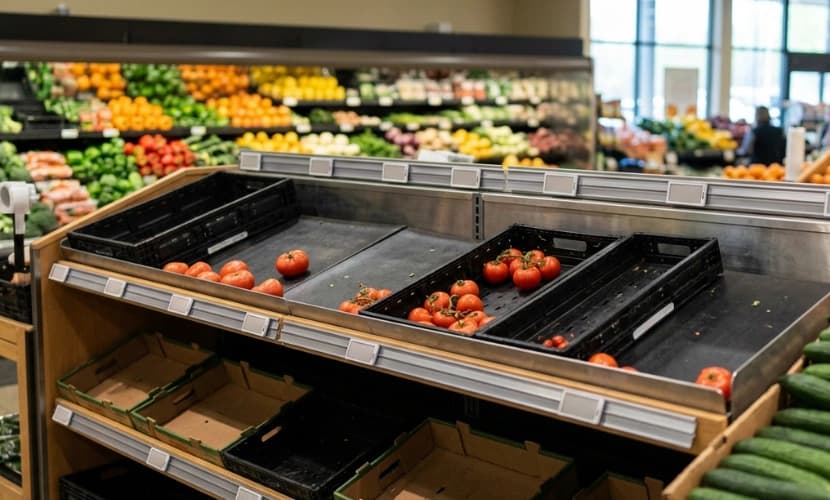
Tomato supplies across North America remain limited as several producing regions move between crops or finish their current growing cycles. Tomatoes are still being supplied from the United States, Canada, and Mexico, but the combined availability is only moderate, leaving buyers without a large surplus of product in the market.
Seasonal transitions are contributing to the tighter supply position. Production areas in Michigan and the Carolinas, normally important sources of tomatoes, are between crops. Growers and distributors are therefore sourcing product from several regions at the same time rather than relying on heavy volumes from one major producing area. This fragmented supply situation is also making quality monitoring more important for produce buyers.
Request the Latest Tomato Prices Data - Access Price Insights Now
Mexican supply has faced additional pressure from weather. Heat and rainfall have reduced availability from producing areas in Mexico compared with normal conditions. The weather issues come at a time when other North American growing regions are also shifting between seasons, limiting the ability of one origin to fully compensate for reduced supply elsewhere.
Demand is currently described as average, with retailers directing more promotional activity toward seasonal fall products such as apples. Tomato demand is expected to strengthen toward the end of September and into October as local production programs begin to finish. That timing could leave buyers competing for available tomatoes before production in Florida starts again, weather permitting, in November.
The supply situation has already supported firmer tomato prices compared with previous years. Higher operating and transport costs are also affecting the market, with diesel fuel costs reported to be about 60% higher than a year earlier. Limited product availability combined with elevated transportation expenses is keeping pressure on delivered tomato costs.
For procurement teams, the main concern is maintaining reliable supply through the crop transition. Buyers may need to source across several origins, monitor quality more closely, and plan purchases around changing regional harvest schedules. With no large concentration of supply expected in October, purchasing conditions are unlikely to ease quickly. Florida's return to production in November could improve availability, but weather conditions will determine how smoothly that additional supply enters the market.
Assistant Manager: Business Insights and Content
Supporting procurement teams with category intelligence, market research, price trends, supply-demand analysis, and strategic sourcing insights across key industries.





We are Just a Text away