
Prakhar Panchbhaiya
Assistant Manager: Business Insights and Content
Supporting procurement teams with category intelligence, market research, price trends, supply-demand analysis, and strategic sourcing insights across key industries.

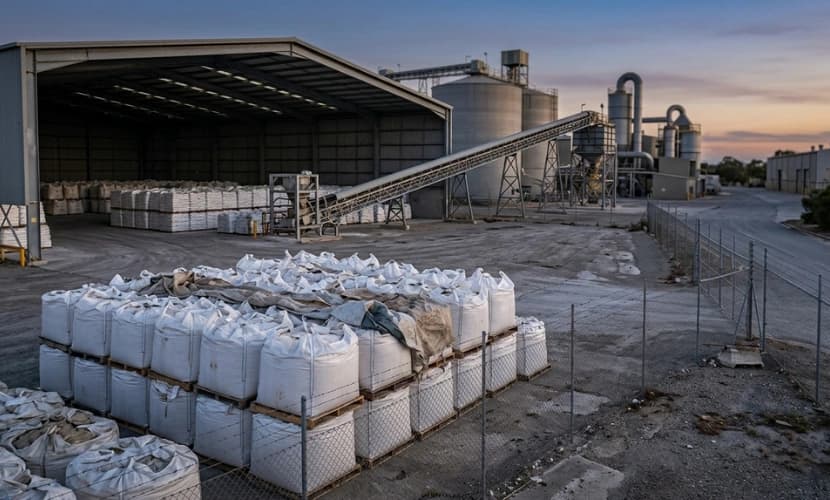
India's subsidized urea distribution system is facing greater scrutiny after a parliamentary committee took up an alleged diversion of agricultural urea into industrial applications. The review focuses on whether fertilizer intended for farmers is being redirected to other users, raising questions around supply monitoring and distribution controls.
The committee examined a case study concerning the alleged diversion of neem-coated agricultural urea for use in the wood panel industry. The review also formed part of wider discussions covering fertilizer subsidy and innovation schemes.
For agricultural buyers, diversion can create problems even when national production and imports remain adequate. Fertilizer may be available at the national level but become difficult to obtain in particular districts when stocks move through unauthorized channels or distribution systems do not match local requirements.
Request the Latest Urea Prices Data - Access Price Insights Now
Urea is sold to farmers at a heavily subsidized rate, creating a large difference between its agricultural price and the cost of nitrogen-containing products available for industrial applications. This difference can create an incentive for unauthorized use when industrial consumers seek lower-cost nitrogen inputs.
Procurement teams in industries that use urea as a raw material need to ensure that their purchases come through legitimate industrial supply channels. Companies should maintain supplier documentation, invoices, product specifications and traceability records to reduce the risk of receiving material intended for agricultural distribution.
For fertilizer distributors and state agencies, stock visibility is also important. Monitoring movement from manufacturers and importers through wholesalers and retail points can help identify unusual inventory gaps or purchasing patterns.
The issue also has implications for farm supply planning. Agricultural users depend on timely availability during crop stages when nitrogen application is required. Distribution disruptions can force farmers to delay application or travel longer distances to find supplies.
Government monitoring systems are intended to prevent such problems, but enforcement at the local level remains important. Coordination between fertilizer companies, state authorities and distributors can help identify abnormal movement before it becomes a wider supply problem.
The parliamentary review puts greater attention on the separation between agricultural and industrial urea demand. Stronger traceability and tighter control of distribution channels could help ensure that subsidized material reaches its intended users while industrial consumers continue sourcing through appropriate commercial channels.
Assistant Manager: Business Insights and Content
Supporting procurement teams with category intelligence, market research, price trends, supply-demand analysis, and strategic sourcing insights across key industries.


We are Just a Text away